BEZPLATNÉ UMENÍCKE PORADENSTVO

x
Kúpiť tlač Kúpiť tlačObjednať reprodukciu Objednať reprodukciu OdoslaťOdoslať
PodrobnostiPodrobnosti Pridať do obľúbených Pridať do obľúbených StiahnuťStiahnuť Podobné dielaPodobné diela RTG skúškaRTG skúška PrezentáciaPrezentácia

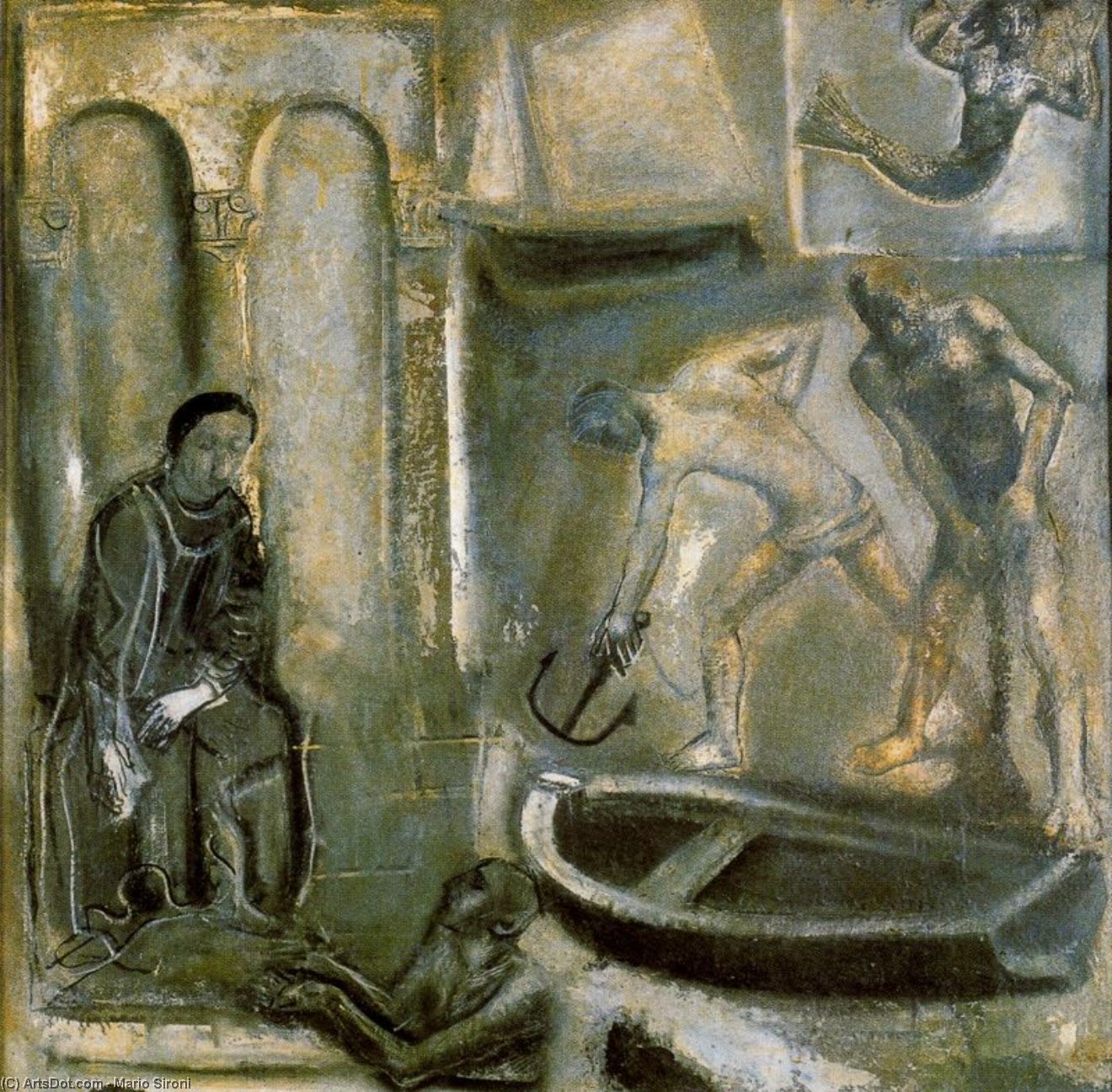
Composition

Sironi bol taliansky modernista známy svojimi masívnymi, nehybnými formami a geometrickými prvkami. Jeho diela odrážajú osamelosť a izoláciu, pričom sa dotýkajú industriálnych scenérií a života pracujúcich ľudí. Dôležitou časťou jeho tvorby je aj Novecento Italiano.

Kúpte si digitálnu snímku vo vysokom rozlíšení s vylepšenými detailmi, ktorá je oveľa kvalitnejšia než online náhľad.

Každý súbor starostlivo pripravujú naši interní špecialisti pomocou pokročilých nástrojov a odborného manuálneho retušovania. Zabezpečujeme, aby každý obrázok disponoval výnimočnou čistotou, presnou farebnou vernosťou a jemnými detailmi.

Konečný súbor vám bude doručený e-mailom do 72 hodín, optimalizovaný pre okamžité použitie v profesionálnom, redakčnom aj tlačovom prostredí. Ide o rovnakú kvalitu, ktorej dôverajú špičkové dizajnérske štúdiá, vydavateľstvá a galérie.

Digitálny obraz

Stiahnite si vysokorozlíšený súbor na osobné zobrazovanie, tlačenie a kreatívne projekty.

Celková cena

$9.99

Súčasťou každej objednávky digitálneho obrazu

Expetórne digitálne doručenie, garantované

Keď si vyberiete WahooArt.com, nedostávate len obrázok – získate profesionálne upravené digitálne umenie, vytvorené s precíznosťou a so zárukou vašej maximálnej spokojnosti. Tu je všetko, čo je súčasťou vašej objednávky automaticky:

shipping_icon
Rýchle doručenie e-mailom

Vaša vysokorozlíšená digitálna súprava obrázkov vám bude zaslaná e-mailom do 72 hodín od objednávky – pripravená na okamžité použitie.

canvas_icon
Digitálny súbor s vylepšením AI

Vaše dielo je profesionálne optimalizované pomocou pokročilých nástrojov umelej inteligencie a manuálnej editácie, čo zaručuje maximálnu úroveň detailov, čistotu a presnosť farieb.

insurance_icon
Bezplatné celoživotné opätovné doručenie

Náhodou ste zmazali alebo ste stratili svoj súbor? Nebavžte sa – pošleme vám ho kedykoľvek znova, úplne bez poplatkov.

tax_icon
Bez poplatkov za dovoz – navždy

Užite si svoje umelodelo okamžite bez colných poplatkov, daní alebo nákladov na dopravu – digitálne stiahnutia sú vždy oslobodené od dane.

color_icon
Garantovaná presnosť farieb

Pomocou profesionálnych nástrojov a farebného manažmentu zabezpečujeme, aby vaša digitálna fotografia čo najpresnejšie odrážala pôvodné farby.

return_icon
60-dňová záruka spokojnosti

Ak nebudete spokojní so svojou digitálnou fotografiou, upravíme ju alebo vám vrátime 100% v priebehu 60 dní – bez zbytočných otázok.

guarantee_icon
100% Záruka vrátenia peňazí

Nie ste spokojní? Získajte plnú náhradu peňazí do 60 dní od prijatia vášho digitálneho súboru – bez zbytočných otázok.

discount_icon
Zľavy pri veľkom odbere

Kúpte si 3 obrazy, ušetrite 10% - Kúpte si 5, ušetrite 15% - Kúpte si 10+, ušetrite 20%. Ideálne pre kreatívne projekty, galérie a agentúry.


Životopis umelca

Early Life and Artistic Foundations

Mario Sironi, a towering figure in Italian Modernism, was born on May 12th, 1885, in the rugged island town of Sassari, Sardinia. His lineage held a unique blend of influences – his father, an engineer, instilled a practical sensibility, while his maternal grandfather, Ignazio Villa, was a celebrated architect and sculptor, providing Sironi with an early exposure to the world of art and form. This dual heritage shaped his artistic perspective, grounding him in both the tangible realities of engineering and the evocative power of sculpture. Initially drawn to the structured discipline of engineering at the University of Rome, Sironi’s path soon veered away from this pursuit following a significant nervous breakdown in 1903 – an event that profoundly altered the trajectory of his life and career. This personal crisis served as a catalyst, propelling him towards the world of art, where he found a means to grapple with his inner turmoil and express his complex emotions. He began formal artistic training at the Scuola Libera del Nudo, a renowned studio within the Accademia di Belle Arti di Roma, immersing himself in the study of the human nude and absorbing the techniques of his first influential teacher, Giacomo Balla. This early immersion laid the groundwork for Sironi’s distinctive style, characterized by its exploration of form, space, and the emotional landscape of the modern world.

The Early Years: Divisionism and the Seeds of Futurist Influence

Sironi's initial artistic development was deeply rooted in the principles of Divisionism, a technique that flourished in Italy at the turn of the 20th century. This approach, championed by artists like Giovanni Segantini, emphasized the careful separation of colors on the canvas to create an illusion of luminosity and vibrancy. Sironi’s early works, such as “The Student” (circa 1906), demonstrate this influence vividly – a masterful application of color theory and meticulous brushwork that evokes a sense of atmosphere and emotional depth. However, Sironi's artistic journey was not static; he remained open to new influences and experimented with various styles throughout his career. Around 1914, coinciding with the rise of Futurism in Italy, Sironi briefly embraced this revolutionary movement, exhibiting at the Galleria Sprovieri in Rome. While he adopted some of the Futurist’s tenets – a fascination with speed, dynamism, and industrial imagery – he quickly recognized its limitations and moved beyond its narrow focus on celebrating modernity. This period marked a crucial turning point, as Sironi began to develop his own unique artistic language, one that would ultimately define his legacy.

A Shift in Perspective: Post-War Solitude and the Rise of Massive Forms

The tumultuous years following World War I profoundly impacted Sironi’s artistic vision. The horrors of war, coupled with a growing sense of isolation and disillusionment, led to a dramatic shift in his style. After the conflict, he abandoned Futurism and began to develop a distinctive aesthetic characterized by massive, immobile forms and geometric shapes – a deliberate departure from the dynamism of his earlier work. These monumental figures, often rendered in muted tones, evoke a sense of stillness, contemplation, and profound solitude. Paintings like “Venere” (1921-1923) and “Solitudine” (“Solitude,” 1925) exemplify this new approach, presenting subjects – often anonymous or abstracted – within vast, undefined spaces that amplify their isolation. Influences from Giorgio de Chirico’s metaphysical paintings, with their unsettling juxtapositions of familiar objects in unfamiliar settings, and Carlo Carrà's exploration of primitive forms, contributed to the development of this emotionally charged style. Sironi wasn’t simply depicting subjects; he was conveying a sense of existential angst – the alienation and uncertainty of modern life.

The Novecento Italiano and Political Engagement

In 1922, Mario Sironi became a founding member of the *Novecento Italiano* movement, a reaction against the perceived excesses of Modernism and a return to order and clarity in Italian art. This movement sought to establish a new aesthetic rooted in tradition, emphasizing simplicity, restraint, and a connection to Italy’s artistic heritage. However, Sironi's political views were complex and often controversial. During this period, he became a supporter of Benito Mussolini and his Fascist regime, contributing extensively to their publications with over 1700 cartoons – works that reflected the ideals of the movement. While his art remained largely unaffected by direct political propaganda, his association with Fascism cast a shadow on his reputation after World War II. Despite this historical context, Sironi’s artistic contributions remain significant, representing a unique synthesis of influences and a powerful exploration of the human condition within a rapidly changing world.

Legacy and Recognition

Mario Sironi died on August 13th, 1961, in Milan, leaving behind a body of work that continues to fascinate and inspire. His distinctive style – characterized by massive forms, geometric shapes, and a pervasive sense of solitude – has earned him recognition as one of the most important figures in Italian Modernism. His paintings are exhibited internationally at major museums and galleries, including the Centre Georges Pompidou in Paris and the Royal Academy in London. Sironi’s legacy lies not only in his artistic innovations but also in his ability to capture the anxieties and uncertainties of the 20th century – a testament to his profound understanding of the human experience. His work serves as a poignant reminder of the complexities of modern life, inviting viewers to contemplate themes of isolation, alienation, and the search for meaning in an increasingly fragmented world.
Mario Sironi

Mario Sironi

1885 - 1961 , Taliansko

Základné informácie

  • Artistic Movement Or Style: Novecento Italiano, Modernizmus
  • Artists Or Movements Influenced By This Artist: ['Futurizmus']
  • Artists Who Influenced This Artist: ['Giacomo Balla']
  • Date Of Birth: 12.5.1885
  • Date Of Death: 13.8.1961
  • Full Name: Mario Sironi
  • Nationality: Talian
  • Notable Artworks:
    • Venere
    • Solitudine
  • Place Of Birth: Sassari, Taliansko