Biografia umelca
A Victorian Adventurer in Bloom
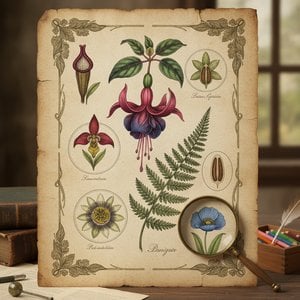
Marianne North bola duchovná slobodna duša, žena, ktorá prestavila očakávané pohodlie viktoriánskej domácnosti za životom odvážneho prieskumu a umeleckej oddanosti. Narodila sa v roku 1830 do privilégiované rodiny v Hastings, Anglicko, jej skorý chod osudne smeroval k jemnému umeniu maľby kvetov – posun, ktorý sa ukázal ako nie len útechou, ale aj pôvodom výnimočného života živeného výhradne vlastnými prostriedkami. Zatiaľ čo mnohé ženy jej éry boli obmedzené v salónoch a spoločenskými očakávaniami, North sa vydala na pozoruhodnú cestu, ktorá ju premenila na známu umelkyňu aj seboustaňujúcu botanickú odborníčku. Jej príbeh je dôkazom odolnosti, nezávislosti a hlbokej spätosti s prírodným svetom – posvätný odkaz slobodného ducha, oslobodeného od konvencií.
Od Botanickej Pozorovanosti k Globálnej Expedícii
Roky po smrti jej matky v roku 1855 boli formujúce, plné rozsiahlych ciest po Európe spoločne s jej otcom. Tieto cesty zdokonalili jej pozorovacie zručnosti a vytvorili ostrý pohľad na krajinu, čo viedlo k túžbe po niečom oveľa ambicióznejšom. Po úmrtí otca v roku 1869 sa North rozhodla venovať sa plne maľbe rastlín vzdialených krajín – rozhodnutie, ktoré označilo stredobor svojho života. Nie išlo len o zachytávanie krásy; išlo o vedeckú dokumentáciu, poháňanú túžbou zaznamenať botanickú rozmanitosť sveta, ktorý sa rýchlo mení pod vplyvom kolonializmu a priemyslu. Začiatok v roku 1871 North začala sériu expedícií trvajúcu takmer pätnásť rokov, vydávajúc sa do rôznych oblastí ako Kanada, Jamajka, Brazília, Japonsko, Borneo, India, Austrália a Nový Zéland. Cestovala nie s vedeckými tímami alebo oficiálnou podporou, ale financovala svoje dobrodružstvá sama – spoliehala sa na svoj rodinný majetok. Její metóda bola systematická: hlboko sa ponorila do každého prostredia, starostlivo pozorovala a nakresľovala rastliny pred tým, než ich preložila na plátno s úžasnou presnosťou a živosťou. Nebola to len návštevníčka; stala sa súčasťou krajín, ktoré zobrazovala, vnímala ich esenciu a vyjadrala ju prostredníctvom svojej maľby. Rozsah jej ciest, uskutočnených nezávisle ženou v ére, ktorá výrazne obmedzila ženské autonómiu, je sám o sebe dôkazom jej výnimočného charakteru.
Unikátny Umenie a Trvalý Odkaz v Kew Gardens
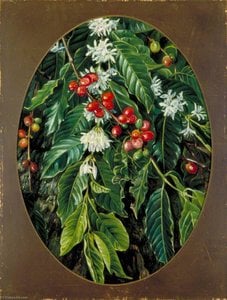
Northova umelecká technika je okamžite rozpoznateľná svojou detailnou realitou a jasnou paletou farieb. Pracovala prevažne s olejom – neobvyklé pre botanickú ilustráciu vtedy – dosiahla hĺbku farby a textúru, ktoré prinútili jej predmety ožiť. Jej maľby nie sú sterilné vedecké znázornenia; sú naplnené pocitom atmosféry a miesta, zachytávajú nielen tvar rastlín, ale aj ich prostredie a pocit z ponorenia sa do nich. Nebola to len návštevníčka; stala sa súčasťou krajín, ktoré zobrazovala, vnímala ich esenciu a vyjadrala ju prostredníctvom svojej maľby. Její najtrvalejším odkazom je galéria venovaná jej dielu v Kew Gardens v Londýne. Rozhodla sa dať do správy Royal Botanic Gardens viac ako 800 plátien, ktoré dokumentujú rastliny z celého sveta – a zabezpečila prostriedky na výstavbu priestoru určeného na ich vystavenie. Galéria Marianne North, ktorá otvorila svoje brány v roku 1882, je jediná galéria venovaná samostatne ženskej umelkyňi v Kew Gardens a dodnes inšpiruje návštevníkov. Stojí ako silný symbol jej umeleckého diela a jej záväzku zdieľať svoje objavy so svetom – živý dôkaz života živeného v prospech krásy a poznania. Maľby ako “Tegoro, Sarawak” ilustrujú tento aspekt, prináša návštevníkov do hustých dažďových pralesov plných života, zatiaľ čo diela ako “On the Way from Tibet near Nagkunda, North India” zachytávajú dramatickú nádheru Himalájanských krajín.
Vplyvy a Inšpirácie
Marianne North bola ovplyvnená mnohými umelcami a vedcami jej doby. Je známe, že sa zaujímala o prácu Josepha Daltona Hookera, významného botanika a kurátora Kew Gardens, ktorý ju v detstve navštívil a obdivoval jej záujem o rastliny. Jej láska k prírode a pozorovanie detailov boli podnetené aj knihami a ilustráciami, ktoré získala počas cestovania s otcom. Je tiež dôležité spomenúť, že North bola jednou z mála ženských umelkýň, ktorá sa venovala maľbe rastlín v 19. storočí – doba, keď boli ženy často obmedzené na domáce úlohy a umelecké aktivity. Jej nezávislosť a odhodlanie pokračovať v práci, ktorú miluje, sú silným zdrojom inspirácie pre umelkyne dodnes.
Historická Významnosť
Marianne North bola významnou osobnosťou svojho času – pionierkou, ktorá presiahla spoločenské normy a rozšírila hranice toho, čo bolo považované za prijateľné pre ženy v viktoriánskej spoločnosti. Jej nezávislé cesty, profesionálna kariéra a záväzok k vedeckému pozorovaniu boli všetky výnimočné úspechy vzhľadom na jej dobu. Odvážne sa vyrovnala s obmedzeniami, ktoré jej spoločnosť ukladala, a stala sa uznávanou umelkyňou a botanickou odborníčkou. Její maľby slúžia ako neoceniteľné historické záznamy o rastlinách v kritickom období – období rýchlej environmentálnej zmeny a koloniálneho rozvoja. Poskytujú pohľad na botanické krajiny 19. storočia a dokumentujú druhy, ktoré možno teraz považovať za ohrozené alebo vyhynuté. Její príbeh je dôkazom toho, že slobodná žena môže byť zároveň učenou a skúmalou, vedcom a umelkyňou – všetko s neochabujúcim odhodlaním. Jej dielo nás dodnes pripomína dôležitosť pozorovania, dokumentácie a ochrany úžasnej rozmanitosti rastlín našej planéty.



 Náhľad
 Kúpiť ručne maľovaný obraz
 Odoslať
 Zdieľať
 Podrobnosti o dielo

 Stiahnuť
 Podobné diela
 RTG skúška
 Prezentácia
 Štatistiky


 Zobraziť viac






































 Možnosť skla je dostupná len pri rozmeroch pod 110 cm