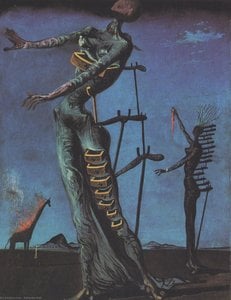
Jean-Michel Basquiat: A Life Forged in the Crucible of New York
Jean-Michel Basquiat, a name synonymous with raw energy and uncompromising vision, emerged from the vibrant, chaotic streets of 1980s New York City to become one of the most influential artists of his generation. Born in Brooklyn in 1960, his life was tragically cut short at the age of 27, but during his brief career, he left an indelible mark on the art world, challenging conventions and forcing a critical examination of race, power, and identity. His work wasn’t simply about aesthetics; it was a direct response to the social and political realities surrounding him – a potent blend of street art, graffiti, personal experience, and intellectual critique.
Basquiat's early life was marked by a complex family dynamic and a struggle with racial identity. Raised primarily by his Haitian immigrant father, he navigated the challenges of being a Black child in a predominantly white environment. This experience profoundly shaped his artistic perspective, informing his exploration of themes like social injustice, poverty, and cultural appropriation. He began experimenting with art as a teenager, initially engaging in graffiti – a rebellious act that quickly became intertwined with his burgeoning artistic voice. His early collaborations with Al Diaz under the pseudonym SAMO were particularly significant, producing enigmatic epigrams scrawled across subway cars and building walls, establishing Basquiat’s presence within the burgeoning street art scene.
The Rise of Neo-Expressionism and a Unique Voice
By the early 1980s, Basquiat's work began to shift beyond simple graffiti tags. He transitioned into painting, developing a distinctive style characterized by bold lines, fragmented figures, and a potent mix of text and imagery. This marked his entry into the burgeoning neo-expressionist movement, alongside artists like Anselm Kiefer and Georg Baselitz. However, Basquiat’s work quickly distinguished itself from its contemporaries. Unlike many neo-expressionists who embraced a romanticized or historical approach, Basquiat confronted contemporary issues with unflinching honesty. His paintings frequently incorporated elements of personal history, cultural references – including African art and jazz music – alongside critiques of capitalism, racism, and the commodification of art.
His artistic process was intensely personal and often chaotic. He typically worked quickly, layering paint onto large canvases in a frenzied manner, incorporating found objects, newspaper clippings, and text directly into his compositions. This approach reflected his desire to capture fleeting moments of experience and to disrupt traditional notions of authorship and control. He famously stated that he didn’t “create” art; rather, he “uncovered” it – revealing pre-existing ideas and narratives through his work.
Key Works and Influences
Several works stand out as particularly significant in understanding Basquiat's artistic trajectory. *Irony of Negro Policeman* (1981), a powerful image of a Black police officer, immediately established his willingness to confront uncomfortable social realities. *Skull of Doom* (1982) is perhaps his most iconic piece, a haunting depiction of a human skull overlaid with symbols and text that allude to death, violence, and the fragility of life. His series *Hollywood Africans* (1983), featuring portraits of African-American figures in Hollywood glamour, explored themes of identity, representation, and the complexities of race relations within the entertainment industry.
Basquiat’s work was deeply influenced by a diverse range of sources. He drew inspiration from street art, comic books, jazz music, literature (particularly writers like William Burroughs and James Baldwin), and African art. His fascination with history, particularly the legacy of slavery and colonialism, informed his exploration of power dynamics and social injustice. The writings of Malcolm X and other Black intellectuals served as a crucial intellectual foundation for his artistic vision.
Legacy and Historical Significance
Despite his tragically short life, Jean-Michel Basquiat’s impact on the art world is undeniable. He challenged the established hierarchies of the art market and helped to democratize access to contemporary art. His work continues to resonate with audiences today, prompting critical reflection on issues of race, identity, and social justice. His willingness to confront difficult subjects head-on, combined with his innovative artistic style, cemented his place as a pivotal figure in late 20th-century art history.
In 1992, the Whitney Museum of American Art held a comprehensive retrospective of Basquiat’s work, solidifying his legacy and demonstrating the enduring significance of his contributions. His paintings now command staggering prices at auction, reflecting both their artistic merit and their cultural importance. Jean-Michel Basquiat's art remains a powerful testament to the transformative potential of creativity and a vital reminder of the urgent need for social change.



 Zobraziť v interiéri
 Prepnúť na tlač
 Odoslať
 Zdieľať
 Podrobnosti
 Príručka

 Stiahnuť
 Podobné položky
 RTG skúška
 Prehliadanie diapo\]
 Štatistiky


 Prečítať si viac