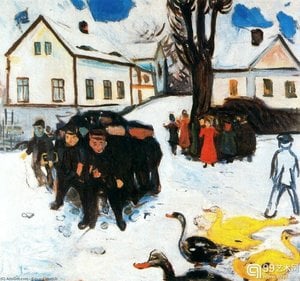
Umelecké dielo zobrazené na tejto stránke je chránené autorským zákonom, čo znamená, že nemôžeme legálne vytvárať ani predávať jeho identickú reprodukciu. Táto ochrana je vymáhaná na základe medzinárodných dohôd, ako napríklad Bernská konvencia a národnými zákonmi, vrátane tých, ktoré sú stanovené v Autorské právo USA – Title 17. Všetky práva vyhradené.
Táto metóda plne dodržiava autorské práva, pretože nezahŕňa kopírovanie ani duplikovanie chráneného diela. Ide skôr o kreatívnu reinterpretáciu – nový obraz, ktorý je ovplybnený originálom, no nie je s ním identický.
Giclée tlač alebo plátno múzeálnej kvality s rýchlou výrobou a rôznymi možnosťami povrchovej úpravy. ( Kúpiť ručne maľovaný obraz Prepnúť na digitálny obraz)





























Vyberte si z našich preddefinovaných rozmerov, ktoré zodpovedajú pôvodným pomeroḿ diela.

Zadajte šírku a výšku, ktoré potrebujete, aby sa reprodukcia hodila k vášmu rámu alebo stene. Print možno len orezávať, nikdy však nemennú veľkosť zvětšiť oproti pôvodnému obrázku, preto pri inom formáte stráca časť obrazu. Pred samotným vytlačiacím procesom vám pošleme digitálny náhľad na schválenie. Obrázok zobrazený na tejto stránke nezobrazuje reálny rez — len digitálny náhľad ukazuje presný výsledok.
Celosvetová doprava () do 2 týždňov namiesto štandardných 4 až 5 týždňov. (4 november)
Russian village
Veľkosť reprodukcie
In the quiet, monochromatic depths of Marc Chagall’s “Russian Village,” we encounter a world that exists at the intersection of memory and myth. Completed in 1929 during his period of Parisian exile, this oil on canvas masterpiece serves as a profound distillation of the artist's connection to his Vitebsk homeland. Rather than a literal depiction of a landscape, the painting functions as a dreamscape, where the wintry Russian countryside is rendered with an ethereal quality that defies rational explanation. The absence of color does not diminish the work; instead, it strips away the distractions of the physical world, leaving behind a skeletal, hauntingly beautiful vision of a life etched in frost and nostalgia.
The composition invites the viewer to wander through a stylized, snow-covered landscape where reality feels delightfully unmoored. A horse-drawn carriage, a quintessential symbol of rural tradition, moves across the left side of the canvas, traversing over rooftops and buildings as if gravity were merely a suggestion. This sense of spatial ambiguity is a hallmark of the Naïve Art movement, a style Chagall embraced to recapture the uninhibited spirit of childhood and folklore. By rejecting the rigid academic conventions of perspective and anatomical precision, Chagall creates a flattened, layered world where buildings overlap in a charmingly chaotic arrangement, suggesting a village that is as much a mental construct as it is a physical place.
Every element within this wintry scene carries a weight of quiet symbolism. The presence of two clocks—one positioned in the upper right and another in the lower left—serves as a poignant reminder of the passage of time, perhaps suggesting that this village is a moment frozen eternally in the artist's mind. The figures scattered throughout the landscape, including a man riding atop the carriage and others standing near the center, add a pulse of everyday life to the stillness of the snow. These simplified, geometric forms contribute to the painting's primitive charm, evoking a sense of timelessness that resonates deeply with those who find beauty in simplicity.
Technically, the work is a masterclass in using texture and tone to evoke atmosphere. Through the application of oil pigments, Chagall creates a tactile experience where snowy surfaces appear rough and uneven, contrasting with the smoother, more solid feel of the village structures. The lighting is diffused and even, casting minimal shadows and enveloping the entire scene in a soft, melancholic glow. For the collector or interior designer, this piece offers a sophisticated monochromatic palette that brings a sense of calm, quiet beauty and intellectual depth to any space. It is not merely a painting of a place, but an invitation to inhabit a memory, making it a profound addition to any collection dedicated to the transformative power of the human imagination.
Pre Living Room je odporúčaná veľkosť vytlačenej verzie diela „Russian village“ od Marc Chagall Medium.
Emocionálny tón zaznamenaný pre „Russian village“ od Marc Chagall je Melancholic. Tento opis vystihuje pocit, ktorý toto dielo vyjadruje.
„Russian village“ od Marc Chagall sa odporúča pre Accent, ideálne do Living Room. Spojenie použitia a priestoru vám pomôže určiť, kde sa reprodukcia hodí.


1887 - 1985 , Bielorusko

Explore 25 iconic Marc Chagall masterpieces. Discover the dreamlike stories behind his colors on WahooArt.com.

Immerse yourself in the vibrant world of German Expressionism with our curated guide to Franz Marc's top 25 masterpieces. Explore the spiritual energy and symbolic colors of The Blue Rider movement. Find museum-quality art reproductions for your decor. Discover all masterpieces on WahooArt.com
Explore the profound grandeur of Russian art, from sacred Orthodox icons to Imperial Romanov splendor. Discover a curated guide to historical masterpieces, perfect for elite collectors and discerning interior designers seeking timeless elegance and cultural depth.
 Náhľad v interiéri
 Odoslať ako digitálnu kartu
 Zdieľať
 Podrobnosti o dielo
 Príručka

 Stiahnuť obraz
 Podobné položky
 RTG skúška
 Prehliadanie diapozoje
 Otázky a odpovede
 Štatistiky

 Zobraziť viac









 Možnosť skla je dostupná len pri rozmeroch pod 110 cm