Biografia umelca
Emmanuel Radnitzky – Man Ray: A Life Illuminated by Shadows
Man Ray, skrátene Ray, bol fascinujúci a neustále sa meniaci umelec, ktorý definoval prvú polovicu 20. storočia svojimi experimentmi s fotografiou, maľbou a filmom. Narodenie v roku 1890 v Philadelphii, v rodine ruských židovských imigrantov, ho formovalo do jedného z najvýznamnejších predstaviteľov avantgardného umenia svojej doby. Jeho cesta od ambiciózneho malíra k inovatívnemu fotografovi a filmovému tvorcovi je príbehom o hľadaní identity, prelomových momentoch a neustálej túžbe po experimentovaní s hranami vnímania a reality. Zmena priezviska z “Manny” na “Man Ray” bola symbolická – odmietanie tradície a úsilie o vytvorenie nového umelca, oslobodeného od konvencií. Jeho rodinná história, ktorá ho naučila rešpektovať tradície, zároveň ho motivovala k ich prehodnoteniu a presunu do sveta moderny.
Prvé roky a vplyvy – Od Philadelphie po New York
Emmanuel Radnitzky vyrastal v Brooklyn, kde sa jeho rodina presťahovala z Filadelfie. Už od detstva prejavoval výtvarné sklony, ktoré boli podporované jeho rodičmi. Jeho záľuba za hranicami školy bola sprevádzaná návštevami umeleckých galérií a múzeí v New Yorku, kde sa stretol s dielami európskych avantgardných umelcov, ako napríklad Paul Cézanne, Pablo Picasso a Henri Matisse. Tieto strety ovplyvnili jeho prvú tvorbu, ktorá bola výrazne kubistická. V roku 1912 sa Emmanuel rozhodol študovať na Ferrer Centre, anarchistickom zariadení, ktoré podporovalo slobodné vyjadrovanie a experimentovanie s umením. Tento priestor bol plný inšpirácie a nových nápadov, čo ho priviedlo k spolupráci sýmiňou Robertom Henriem, Samuelom Halpertom a Adolfom Wolffom. V roku 1913 sa Emmanuel presťahoval do New Yorku, kde začal pracovať ako ilustrátor a zároveň sa venoval maľbe. Jeho záľuba za hranicami školy bola sprevádzaná návštevami umeleckých galérií a múzeí v New Yorku, kde sa stretol s dielami európskych avantgardných umelcov, ako napríklad Paul Cézanne, Pablo Picasso a Henri Matisse. Tieto strety ovplyvnili jeho prvú tvorbu, ktorá bola výrazne kubistická. V roku 1915 sa Emmanuel stretol s Marcelom Duchampom, čo bolo prelomovým okamihom v jeho umelníckej kariére. Ich spoločné záujmy o výzvy tradičných umeleckých konvencií ho priviedli do sveta Dadaizmu a Surrealizmu.
Dadaizmus, Surrealizmus a Hľadanie Nulovej Bodiny
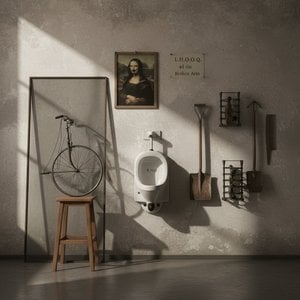
Man Ray sa stal aktívnym členom Dadaistického hnutia v New Yorku, kde spolu s Duchampom organizoval výstavky a publikoval časopisy. Dadaizmus bol reakciou na ničenie spôsobené prvej svetovou vojnou a jeho cieľom bolo zrušiť všetky tradičné hodnoty a konvencie. Ray sa zapojil do experimentovania s “ready-made” umením – obyčajnými, masovo vyrábanými predmetmi, ktoré boli vyhlásené za umelecké diela. V roku 1921 sa Man Ray rozhodol presťahovať do Paríža, kde sa stal súčasťou parížskeho Dadaistického a Surrealistického kruhu. V Paríži stretol významných umelcov, ako boli James Joyce, Gertrude Stein a Antonin Artaud, ktorí ho ovplyvnili jeho tvorbu. Ray sa venoval experimentom s fotografiou, vytváral rayogramy – fotografie bez použitia objektívu, kde boli predmety priamo vystavené svetlu. Tento proces odstraňoval ilúziu objektivity a zamerával sa na subjektívne vnímanie sveta. Jeho prácou sa snažil o prechod k novému spôsobu vnímania umenia, ktorý bol založený na podvedomí a fantázii.
Rayogramy, Fotografia a Experimentálny Film
Man Ray je najznámejší pre svoje rayogramy – jedinečné fotografie vytvorené bez použitia objektívu. Používal predmety, ako sú rastliny, oblečenie a iné drobnosti, ktoré boli priamo vystavené svetlu na citlivom papieri. Vznikali tak surrealistické, atmosférické obrazy, ktoré odrážali jeho vnímanie sveta. Okrem rayogramov sa Ray venoval aj portrétnej fotografii, kde často používal techniky ako solarizácia a viacnásobné vystavenia, aby dosiahol dramatické a znepokojivé efekty. Jeho fotografie boli plné symboliky a podtextu, čo ich robilo fascinujúcimi pre diváka. Ray sa tiež venoval experimentálnemu filmu, kde vytváral krátke filmy s surrealistickými vizuálmi a nekonvenčnými editovaním. Jeho filmy boli často interpretované ako vizuálne poézie, ktoré skúmali podvedomie a emócie.
Dielo a Dediakum
Man Ray zanechal po sebe rozsiahle dielo, ktoré sa vyznačuje experimentálnosťou, inovatívnosťou a neustálym hľadaním nových umeleckých možností. Jeho prácu možno nájsť v múzeách a galériách po celom svete. Man Ray bol jedným z najvýznamnejších predstaviteľov 20. storočia, ktorý ovplyvnil vývoj modernej umenia a jeho dielo bude pokračovať inšpirovať generácie umelcov. Jeho prínos pre fotografiu, film a dizajn je nepoprehnaný.



 Zobraziť v interiéri
 Prepnúť na tlač
 Odoslať
 Zdieľať
 Podrobnosti
 Príručka

 Stiahnuť
 Podobné položky
 RTG skúška
 Prehliadanie diapo\]
 Štatistiky

 Prečítať si viac






































 Možnosť skla je dostupná len pri rozmeroch pod 110 cm