Biografia umelca
A Renaissance Master of Saxony: The Life and Art of Lucas Cranach the Elder
Lucas Cranach the Elder, narodený v Kronáchi, Nemecko okolo roku 1472, stojí ako kľúčová postava nemej renesancie. Jeho život sa odohrával počas obdobia rozsiahlych náboženských a politických prehier a jeho umenie sa neprechodne nezaťažovalo oboma burzujúcimi prúdmi – rozvíjajúcou sa protestantskou reformáciou a opulentnými dvormi, ktorému slúžil. Jeho začiatky boli spojené s jeho otcom, Hansom Malerom, čo znamenalo, že jeho umelecký vývoj bol v prvom rade ovplyvnený južnou nemeckou školou majstrov. Rýchlo sa odlišil nie len ako zručný remeselník, ale aj ako umelec schopný zachytiť psychologickú hĺbku spolu s technickou presnosťou – kvality, ktoré okamžite upútali pozornosť mocných patrónov. V roku 1504 vstúpil do služby Frederika III., volača Saska, vzťah, ktorý definoval veľkú časť jeho kariéry a poskytol mu stabilitu aj prístup k vplyvným kruhom. Toto menovanie ako dvorného maliara v Wittenebergu nebolo len o produkcii dekoratívnych diel; umiestňovalo Cranacha do samotného srdca jednej z najtransformačnejších udalostí európskej histórie.
Patronáž, Reformácia a Umenie Inovácie
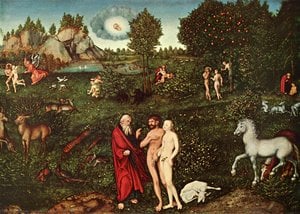
Cranachova pozícia v Saskom dvore nebola len o živote, ale aj o jeho umeleckom rozvoji. Nebol to len dokumentovanie udalostí; aktívne formoval vizuálne príbehy v čase hlbokých zmien. Jeho najtrvählnejšieho dedičstva je pravdepodobne jeho blízka asociácia s Martin Lutherom, strednou figúrou protestantskej reformácie. Cranach vytvoril až osemnásť portrétov Lutera, každý ponúkol jedinečný pohľad na postavu reformátora a jeho rozvíjajúcu sa úlohu. Nie išlo len o náhľad; šlo o starostlivo vytvorené obrazy určené na prejav autority, zbožnosti a intelektuálnej sily – kvality nevyhnutné pre lídra, ktorý mení zavedený náboženský poriadok. Okrem portrétov sa Cranach zapojil do vizuálneho vyjadrovania reformácie, vytvárajúc dreseňové maľby a obrazy, ktoré široko šírili protestantské myšlienky. Jeho zobrazovania biblických scén odchádzali od tradičných katolíckych ikonografií, zdôrazňujúc priamy kontakt s Písmi a podporujúc osobnejší vzťah medzi pozriteľom a vierou. Annunciácia Jákovi, napríklad, vyzařuje radostný duch, ktorý odráža nový dôraz na individuálnu zbožnosť v reformovanom cirkvi. Tento inovatívny prístup sa rozšiel aj za náboženské témy; Cranachove mytologické maľby, ako napríklad zobrazovania Veny a ďalších klasických postáv, často niesli alegorické významy relevantné pre súčasné politické a sociálne otázky.
Školenie a Vplyvy
Cranachovo umelecké vzdelanie je stále trochu zahalené do mlhy. Jeho otec, Hans Maler, bol majstrom v kreslení a malý Lucas pravdepodobne začal svoje umenie s ním. Je známe, že okolo roku 1495 sa Lucas stal učňom svojho otca, Hansa Malera, v Kronáchi. Vďaka tomu získal základné znalosti o technike kreslenia a maľby. Jeho rané diela, vytvorené v Wittenebergu, ukazujú vplyv južných nemeckých majstrov, najmä v oblasti kompozície a farieb. V tomto období sa Cranach stretol s humanistickými spisovateľmi, ktorí ovplyvnili jeho umelecký zmysel pre detail a psychologické hĺbky. Jeho štúdium v Wittenebergu bolo tiež spojené s osobným vzťahom s Martin Lutherom, ktorý bol v tom čase mladým teológom a učiteľom.
Portréty a Mytológia
Cranach sa rýchlo stal uznávaným portrétistom, schopným zachytiť individualitu a postoj svojich klientov. Jeho portréty Frederika III., volača Saska, sú dôkazom jeho umeleckého talentu a schopnosti reprezentovať moc a status. Jeho portréty Lutera, ktoré vytvoril v priebehu rokov, ponúkajú fascinujúci pohľad na postavu reformátora počas jeho života a jeho intelektuálne a náboženské vývojové cesty. Cranach bol tiež vynikajúcim tvorcom mytologických obrazov, ktoré zobrazovali bohy a hrdinov z gréckeho a rímskeho sveta. Jeho obrazy Veny, Dia a ďalších klasických postáv boli často spojené s alegoriou a symbolizmom, čo odrážalo jeho umelecký cit a schopnosť vyjadriť komplexné myšlienky prostredníctvom vizuálnych obrazov.
Práca v Saskom dvore a Reformácia
Cranachova práca v saskom dvore bola rozsiahla a rozmanitá. Vytváral portréty, náboženské obrazy, mytologické scény a ilustrácie. Bol tiež zodpovedný za dekoratívne práce na svadbách, turnajoch a ďalších spoločenských udalostiach. Jeho umelecké diela boli často spojené s náboženskými témy a podporovali reformované učenie. Vďaka svojej blízkosti k Lutherovi sa stal významným propagátorom protestantskej reformácie.
Duchovno a Zvládanie
Cranach bol nielen talentovaným umelcom, ale aj podnikateľom a politikom. Bol majiteľom vinohradov, pivární a kníhkuppecov. Vďaka svojej pozícii v saskom dvore mal prístup k mocným osobnostiam a dokázal si zabezpečiť finančnú nezávislosť. Jeho umelecké diela boli často spojené s náboženskými témy a podporovali reformované učenie.
Záver
Lucas Cranach the Elder zomrel v roku 1553, zanechal za sebou obrovské umelcké dedičstvo, ktoré rezonuje dodnes. Bol majstrom portrétistu, zručeným interpretom náboženských tém a bystrým podnikateľom, ktorý rozumel sile vizuálnej komunikácie. Jeho diela odrážajú kultúrne a intelektuálne prúdmi svojej doby a zároveň ich formovali. Cranachov workshop prosperoval aj po jeho smrti, čo zabezpečilo, že jeho štýl a techniky boli prenášané na ďalšie generácie. Jeho vplyv je viditeľný v dielach mnohých neskorších umelcov a jeho maľby sú stále veľmi žiadané medzi zbieračmi a múzeami po celom svete. Od ikonických portrétov Martina Luthera až po fascinujúce mytologické scény, Cranachovo umenie ponúka fascinujúci pohľad na svet nemej renesancie – svet, ktorý bol poznačený hlbokým duchovým spojením a umeleckou inováciou. Jeho schopnosť kombinovať náboženskú vášeň, politickú zručnosť a umelcký talent zabezpečil mu miesto medzi najvýznamnejšími umelcami svojej éry a jeho diela stále inšpirujú a fascinujú divákov po stáročiach.



 Zobraziť v interiéri
 Objednať ručne maľovanú reprodukciu
 Odoslať
 Zdieľať
 Podrobnosti
 Príručka

 Stiahnuť
 Podobné položky
 RTG skúška
 Prehliadanie diapo\]
 Štatistiky


 Prečítať si viac






































 Možnosť skla je dostupná len pri rozmeroch pod 110 cm