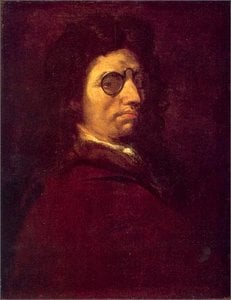
Luca Giordano: Dynamo Neapolský – Život a Umenie
Luca Giordano, narodený v Neapole v roku 1634, bol menom okamžite spojené s vášňou a energiou neskorej barokovej éry. Nebol len umelcom; stal sa prírodnou silou, vírom kreativity, ktorého obrovský produkčný objem transformoval nielen plátna, ale aj architektonické priestory po celom talianskych a španielskych krajinách. Jeho otec, Antonio Giordano, položil prvý základ jeho umeleckého vzdelávania, no pod prísnym, no zároveň majstrovským vedením Jusepe de Ribery sa mladému Luca skutočne začal formovať svoj charakteristický štýl. Toto skoré učenie zanechalo nezmaznateľný odtlač, ktorý je evidentný v dramatickej intenzite a realistickom zobrazovaní postáv, typických pre Giordanova skorého diela. Na rozdiel od Riberyho často temnejších tónov, Giordano mal prirodzenú tendenciu k luminiscencii a pohybu – vlastnosti, ktoré by nakoniec definovali jeho jedinečný štýl. Už vtedy si získal prezývku “Luca fa presto” – Luca, ktorý to robí rýchlo – testament k jeho neobyčajnej rýchlosti a zdá sa, že nekonečnému množstvu energie. Nebol len zručený; bol schopný zachytiť hlboké emócie a úžasné divy s ľahkosťou, ktorá ohromila súčasníkov.
Od Neapolu po Španielsko: Kariéra v neustálom pohybe
Giordanova umelecká cesta bola ďaleko od statickej. Bola dynamickou progresiou poháňanou komisiami a cestami, ktorá ho zavedla napočítať cez celú taliansku polovicu a ďalej. Po tom, ako sa etabloval ako stúpajúca hviezda v Neapole, hľadal príležitosti v Ríme, Florencii a Benátkach, absorboval rozmanité vplyvy každého mesta ako handra. V Benátkach študoval diela Ticia a Veroneseho, prijímal ich živé farebné palety a dynamické kompozície – výrazný kontrast k tenebrizmu jeho skorého vzdelávania. Florencia mu umožnila podnikať významné freskné cykly, najmä v oblúku kapucínskeho kostola Carmine, kde ukázal svoje rozvíjajúcu sa zručnosť v iluzívnom priestore a vyprávdaní príbehu. No bolo to jeho desaťročná pobyt v Španielsku (1682-1692), ktorý pevne zakotvil jeho medzinárodnú povesť. Bol menovaný dvorným maliarom Karola II. a transformoval španielske interiéry rozsiahlymi freskami, čím priniesol do viac opatrnej umeleckej tradície Španielska potrebnú dávku talianskej vášne. Biblioteca Riccardiana v Florencii, zdobená alegorickými freskami oslavujúcimi božské múdrosti, je dôkazom tejto éry a ukazuje jeho schopnosť spájať intelektuálnu hĺbku s vizuálnym nádychom.
Synéza štýlov: Giordanova umelecká podstata
Giordanoho génius nebol v tom, že úplne vymieňal existujúce techniky, ale v ich zmesí do pozoruhodného a dekoratívneho štýlu. Mistorne kombinoval dramatický realizmus dedený od Riberyho, luminiscenčný farebnosť inšpirovanú benátskymi umelcami a dynamické kompozície pripomínajúce Pietro da Cortonu. Jeho maľba bola charakterizovaná slobodnosťou a spontánnosťou, čím vytvárala dojem ľahkosti a grácie. Nebol odmietavý kornierom, plnil svoje plátna komplikovanými detailmi a vlnivými závesmi – znakom jeho zrelého štýlu. Tento prístup mu umožňoval zvládnuť širokú škálu tém - od náboženských scén a mytologických príbehov až po portréty a dekoratívne schémy - s rovnakou zručnosťou. *Sudenie Jána Pátera*, uložené v Berlínskej galérii, je toho dôkazom – je to živá ukážka klasickej mytológie zobrazovaná s výraznou barokovou farbou. Jeho fresky, najmä tie nájdené v neapolskom katedrále a rôznych neapolských palácoch, sú monumentálnymi dielami, ktoré transformujú architektonické priestory na ponorky do vizuálnych zážitkov plných farieb a dramatu.
Dielo a vplyv: Trvalý odkaz majstra
Giordanoho vplyv sa rozšiel ďalej ako jeho vlastný život. Výchoval mnoho žiakov, vrátane Paola de Matteisa, ktorí sa stali úspešnými umelcami sami za sebou, šíria jeho stylistické inovácie po celom Taliansku a ďalej. Jeho dielo slúžilo mostom medzi vysokou barokovou érou a rokokovou érou, čím pripravil cestu pre ľahší, hravý estetický prístup, ktorý by charakterizoval umenie 18. storočia. **Jeho obrovský produkčný objem** – odhadovaný na viac ako šesťstovku obrazov a množstvo fresiek – sa dodnes fascinuje publikum. Palác Capodimonte v Neapole je stále bohatý na jeho diela, ponúkajúci komplexný prehľad o jeho umeleckej evolúcii. Jeho schopnosť spájať technickú zručnosť s emocionálnou hĺbkou zabezpečuje jeho miesto medzi najvýznamnejšími a najobľúbenejšími postavami talianskej barokovej éry. Umrel v rodnom Neapole v roku 1705, nechávajúc za sebou dedičstvo, ktoré inšpiruje umelcov a milovníkov umenia dodnes.
Kľúčové diela a umelecké spojenia
Tu sú niektoré významné diela a umelecké spojenia:
- Sudenie Jána Pátera (Berlínska galéria): Primárne príklad Giordanova mytologického diela, ukazujúci jeho živú farebnú paletu a dynamickú kompozíciu.
- Kristus s lekármi v chráme (Galéria Corsini, Rím): Ukazuje jeho zručnosť v náboženskom vyprávdaní a mistorný ovládanie svetla a tieňa.
- Fresky v Florencii a Neapole: Monumentálne diela, ktoré transformovali architektonické priestory na ponorky do vizuálnych zážitkov plných farieb a dramatu.
- Vplyvy: Jusepe de Ribera, Ticián, Veronese, Pietro da Cortona
- Vplyvných umelcov: Paolo de Matteis a generácia neapolských umelcov.



 Náhľad
 Prepnúť na tlač
 Odoslať
 Zdieľať
 Podrobnosti o dielo

 Stiahnuť
 Podobné diela
 RTG skúška
 Prezentácia
 Štatistiky


 Zobraziť viac






































 Možnosť skla je dostupná len pri rozmeroch pod 110 cm