NáhľadNáhľad AR náhľadAR náhľad Kúpiť ručne maľovaný obraz Kúpiť ručne maľovaný obrazSwitch to Digital Image Switch to Digital Image OdoslaťOdoslať
Podrobnosti o dieloPodrobnosti o dielo Pridať do obľúbených Pridať do obľúbených StiahnuťStiahnuť Podobné dielaPodobné diela RTG skúškaRTG skúška PrezentáciaPrezentácia StatsStats

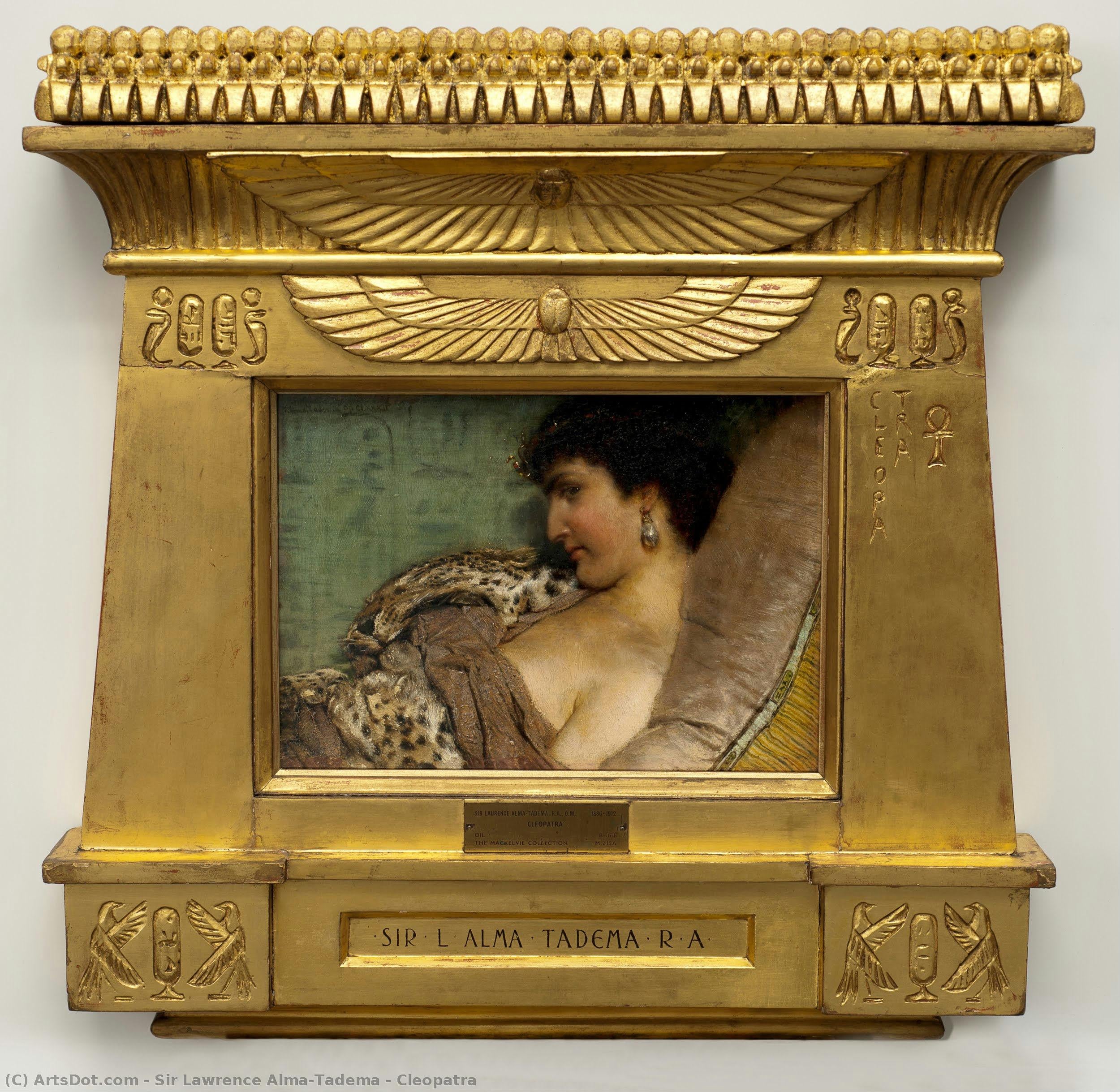
Cleopatra

Admire Lawrence Alma-Tadema's iconic depiction of Cleopatra and Antony’s opulent meeting! Explore the masterful detail & dramatic lighting capturing a pivotal moment in history – a timeless masterpiece.

Lawrence Alma-Tadema (1836–1912) – holandský maliar, známy svojimi opulentnými rómskymi interiérami a precíznym klasickým detailom. Obrazuje luxus, atmosféru a eleganciu viktoriánskej éry.

Giclée / Umenotlač

Giclée tlač alebo plátno múzeálnej kvality s rýchlou výrobou a flexibilnými možnosťami povrchovej úpravy. (Kúpiť ručne maľovaný obraz Kúpiť ručne maľovaný obrazSwitch to Digital Image Switch to Digital Image)

P118B $10
P118H $10
P118W $10
P438Z $10
P508JH $12
P508YH $12
P805H $10
P805Z $10
P919BZ $10
P919G $10
P919XJ $10
P959ZH $10
P968JZ $12
W106C $8
W218G $10
W218JH $8
W218Y $10
W307PJ $10
W316G $10
W316PJ $8
W316Y $10
W398PJ $8
W4111J $10
W500HY $15
W500JH $15
W692G $12
W849H $8
W940BG $15
W953PJ $8

Štandardné
na mieru
CM
INCH

Vyberte si z našich preddefinovaných rozmerov, ktoré zodpovedajú pôvodným pomeroḿ diela.

šírka
výška

Môžete zadať vlastné rozmery, aby sa reprodukcia prispôsobila konkrétnemu rámu alebo priestoru. Ak zvolená veľkosť nebude zodpovedať proporciám originálu, dielo buď orežeme, alebo obraz rozšírime pomocou zrkadlenia či farebného doplnenia okrajov. Pred začatím výroby vám pošleme digitálnu ukážku na schválenie.
Máte na vedomí, že náhľad na obrazovke neodzrkadľuje skutočné orezanie alebo rozšírenie. Len digitálna ukážka presne zobrazí finálnu kompozíciu.
Hoci sú k dispozícii vlastné rozmery, pre zachovanie pôvodných proporcií odporúčame vybrať si rozmer z vopred definovaného zoznamu.

Celosvetová doprava () do 2 týždňov namiesto štandardných 4/5 týždňov. (8 september)

why_choose_icon
Bezplatná expresná doprava po celom svete
why_choose_icon
Prémiové lnianske plátno
why_choose_icon
Kompletné poistenie prepravy
why_choose_icon
Záruka vrátenia colného poplatku
why_choose_icon
Záruka presného farebného zhodnutia
why_choose_icon
100-dená politika vrátenia tovaru (iba pri vadách)
why_choose_icon
100% záruka vrátenia peňazí
why_choose_icon
Výhodná množstevná zľava

Celková cena

$ 68

reproduction

Cleopatra

Giclée / Umenotlač

Veľkosť reprodukcie

-

Celková cena za vybrané možnosti

$ 68

Základné informácie

  • Medium: Oil on canvas
  • Subject or theme: Ancient Egypt; Romance
  • Year: 1877
  • Location: Private Collection
  • Artist: Lourens Alma Tadema
  • Notable elements or techniques: Detailed realism; Photorealistic rendering
  • Dimensions: 46 x 44 cm

Kvíz o umení

Pri každej otázke je iba jedna správna odpoveď.

Otázka 1:
What is the primary subject matter of Lawrence Alma-Tadema’s ‘The Meeting of Antony and Cleopatra’?
Otázka 2:
According to Plutarch, what is described as ‘sweetness in the tones of her voice’ about Cleopatra?
Otázka 3:
What was Cleopatra attempting to achieve when she dissolved one of her pearl earrings in wine?
Otázka 4:
Alma-Tadema’s style is characterized by meticulous attention to detail, particularly in portraying classical architecture and costumes. What artistic movement influenced his approach?
Otázka 5:
Why did Roman historians later exonerate Antony’s soldiers' ineffectiveness in Cleopatra’s presence?

A Portrait of Power and Intrigue: Exploring Alma Tadema’s Cleopatra

Lawrence Alma-Tadema's "The Meeting of Antony and Cleopatra," completed in 1877, transcends mere depiction; it embodies the opulent drama of Shakespeare’s iconic tale. More than just a visual record of history, this monumental oil painting delves into psychological complexities and artistic innovation—a testament to Tadema’s mastery of capturing both grandeur and subtle emotion. The artwork's enduring fascination stems from its meticulous attention to detail and its ability to convey the palpable tension between ambition and desire.
  • Subject Matter: The scene portrays Antony and Cleopatra seated at a banquet table, immediately after Cleopatra unveils her audacious gesture—dissolving an earring in wine as a challenge to Antony’s prowess. This moment encapsulates the crux of Shakespeare's narrative and Tadema brilliantly translates it onto canvas.
  • Style & Technique: Tadema adhered rigorously to academic conventions, prioritizing realism and meticulous observation. His technique involved layering thin glazes over toned ground, achieving remarkable luminosity and capturing the textures of fabrics—the sumptuous silks and velvets adorning Cleopatra’s attire are particularly noteworthy. The artist skillfully employs chiaroscuro – dramatic contrasts between light and dark – to sculpt the figures and heighten the theatrical atmosphere.
  • Historical Context: Painted during the Victorian era, “The Meeting” reflects a fascination with classical antiquity and Roman decadence. Tadema meticulously researched historical costumes and interiors, striving for accuracy that would impress discerning audiences. The painting speaks to anxieties about social morality alongside an appreciation for beauty and luxury—a characteristic blend of Victorian sensibilities.
  • Symbolism: Cleopatra’s gesture is laden with symbolic significance. It represents her defiance of convention and her calculated manipulation of Antony's ego, highlighting her intelligence and cunning. The wine symbolizes indulgence and the ephemeral nature of pleasure, mirroring the doomed romance at its core. Furthermore, the opulent setting underscores the vast disparity between power and vulnerability.
  • Emotional Impact: Tadema’s masterful composition compels viewers to contemplate the psychological dynamics between Antony and Cleopatra. The gaze exchanges convey unspoken desires and anxieties—a subtle yet powerful portrayal of human emotion. The painting evokes a sense of grandeur, mystery, and ultimately, tragedy, cementing its place as one of Alma-Tadema's most celebrated achievements.

A Closer Examination: Detail and Composition

The artist’s dedication to realism is evident in every brushstroke. Observe the painstaking rendering of Cleopatra’s jewelry—the pearl earring, painstakingly dissolved in wine—a symbol of her audacious challenge. Tadema's use of color palettes contributes significantly to the painting's mood; cool blues and greens dominate the background, contrasting sharply with the warm hues of Antony’s robes and Cleopatra’s skin tones. The positioning of the figures—Cleopatra seated centrally, Antony slightly angled—creates a dynamic interplay between dominance and vulnerability.

Alma Tadema’s Legacy: Influence and Recognition

Lawrence Alma-Tadema remains an influential figure in Victorian art history. His meticulous approach to depicting classical subjects established him as a pioneer of academic painting, influencing generations of artists. Despite fading popularity during the 20th century, Tadema's work experienced a revival in recent decades, appreciated for its artistic merit and its ability to transport viewers back to a bygone era. Reproductions of “The Meeting” continue to adorn homes and galleries worldwide—a testament to the painting’s enduring beauty and narrative power.

Exploring Reproduction Options

WahooArt offers high-quality reproductions of Alma Tadema's "The Meeting of Antony and Cleopatra," meticulously crafted to capture the essence of the original masterpiece. Choose from a range of sizes and framing options to elevate your interior décor and immerse yourself in the captivating world of Victorian art history. Discover the timeless allure of this iconic painting today!

Biografia umelca

Early Life and Artistic Training

Lourens Alma Tadema, neskoršie Lawrence Alma Tadema, sa narodil 8. januára 1836 v malebnej dedinke Dronrijp na severnom pobreží Holandska. Jeho otec, Pieter Jiltes Tadema, bol miestny notár, ktorý mal tri syny z prvého manželstva a matka, Hinke Dirks Brouwer, bola pol sestrička Pieterskej prvej manželky. Rodina Tadema sa v roku 1838 presunula do blízkeho mesta Leeuwarden, kde Pieter získal miesto notára, čo bolo pre rodinu finančne výhodnejšie. Jeho otec zomrel, keď bol Laurens štyri roky starý, a jeho matka zostala s piatimi deťmi: Laurenom, sestrou a tromi chlapcami z otcovej prvého manželstva. Hinke Brouwer mala sklony k umeniu a rozhodla sa zapojiť kreslenie do vzdelávania detí. Laurens dostal svoje prvé umelecké vzdelanie od miestneho kresliarskeho učiteľa, ktorý ho učil spolu s jeho staršími bratmi. Bola to pôvodne predstava, že Laurens bude právnik, ale v roku 1851 utrpel fyzickú a psychickú zlomyseľnosť. Diagnostikovaný ako človek s tuberkúlózou, mu bolo dané len krátke obdobie života, počas ktorého mohol tráviť čas kreslením a maľovaním. Po tom, čo sa sám zbavil choroby, rozhodol sa venovať sa kariére umelca. V roku 1852 vstúpil do Kráľovskej akadémie v Antverpách, kde študoval holandské a flamské majstrovské diela z raného obdobia, pričom zároveň absorboval prísnu detailnosť, ktorú si vyžadovala historická presnosť. Po štyroch rokoch štúdovania na akademii získal Laurens niekoľko poctivých ocenení. Pred odchodom zo školy, koncom roku 1855, sa stal pomocníkom malára Louisa Jana de Taeyeho, ktorého kurzy dejín a historického kostýmu si veľmi užil na akademii. De Taeye ho uviedol k knihám, ktoré ovplyvnili jeho túžbu zobrazovať merovingské témy v ranom období jeho kariéry. Bol povzbudený, aby zobrazoval historickú presnosť v svojich maľbách, čo sa stalo charakteristickou črtou umelca a vedelo k tomu, že sa stal najvýznamnejším malárom zobrazujúcim mramor a variované granity na svete.

Exploring Antiquity: Merovingian Mysteries and Egyptian Visions

Laurens Alma Tadema’s artistic trajectory began with explorations of Merovingian themes—the Frankish dynasty that ruled after the fall of the Western Roman Empire. These early works, though demonstrating his burgeoning talent for historical detail and narrative composition, didn’t achieve the widespread acclaim he would later find. He was encouraged to depict historic accuracy in his paintings, a trait for which the artist became known. However Merovingian subjects did not have a wide international appeal, so he switched to themes of life in ancient Egypt, then to the classical world of Greece and Rome. This transition wasn’t arbitrary; it reflected a growing public appetite for romanticized visions of antiquity, fueled by archaeological discoveries and a Victorian fascination with moral lessons drawn from the past. Alma-Tadema's depictions of Roman life profoundly influenced popular perceptions of antiquity, shaping how generations imagined the world of emperors, gladiators, and philosophers.

The Architect of Atmosphere: Detail and Light

What truly set Alma Tadema apart was his unparalleled ability to create atmosphere. He wasn’t just painting objects; he was capturing the very *feeling* of sunlight on marble, the coolness of mosaic floors underfoot, the gentle murmur of fountains in a Roman atrium. This mastery stemmed from an obsessive attention to detail and a deep understanding of materials. He meticulously researched ancient architecture, furniture, and clothing, ensuring that every element within his compositions was historically plausible. But beyond accuracy, he possessed a remarkable talent for rendering light and texture. His marble gleamed with a lifelike luminosity, his fabrics flowed with graceful realism, and his water shimmered with captivating clarity. This dedication to verisimilitude wasn’t merely about technical skill; it was about creating an illusion of reality so convincing that viewers felt transported to another time and place. He even went as far as to build miniature models of the settings he intended to paint, ensuring perfect perspective and architectural accuracy.

Major Achievements and Recognition

Alma-Tadema’s work gained significant recognition during his lifetime. His paintings were exhibited in prestigious galleries throughout Europe, and he became a celebrated figure in the British art world. He was awarded knighthood in 1899, recognizing his contributions to the arts. Despite this acclaim, Alma-Tadema's style fell out of favor after his death in 1912. The changing tastes of the early 20th century favored more modernist styles, and Alma-Tadema’s meticulous realism seemed out of step with the prevailing artistic trends. It wasn’t until the 1960s that a renewed appreciation for his art began to emerge, driven by scholars and collectors who rediscovered the beauty and technical brilliance of his paintings.

Legacy and Influence

Today, Alma-Tadema's works are highly sought after by museums and private collectors worldwide. His influence can be seen in contemporary artists who strive for similar levels of detail and atmospheric realism. He wasn’t just an artist; he was a cultural phenomenon, creating a visual language that continues to resonate today.

lourens alma tadema

lourens alma tadema

1836 - 1912 , Nemecko

Základné informácie

  • Artistic Movement Or Style: Neoklasicizmus
  • Artists Or Movements Influenced By This Artist: ['Romantizmus']
  • Artists Who Influenced This Artist: ['Louis Jan de Taeye']
  • Date Of Birth: 8. január 1836
  • Date Of Death: 25. jún 1912
  • Full Name: Lourens Alma Tadema
  • Nationality: Holanďan
  • Notable Artworks:
    • A Kiss
    • Ask Me No More
  • Place Of Birth: Dronryp, Holandsko
Preskúmajte umelecká diela usporiadané podľa tém, štýlov a charakteristík.