NáhľadNáhľad AR náhľadAR náhľad Prepnúť na tlač Prepnúť na tlačKúpiť ručne maľovaný obraz Kúpiť ručne maľovaný obraz OdoslaťOdoslať
Podrobnosti o dieloPodrobnosti o dielo Pridať do obľúbených Pridať do obľúbených StiahnuťStiahnuť Podobné dielaPodobné diela RTG skúškaRTG skúška PrezentáciaPrezentácia ŠtatistikyŠtatistiky

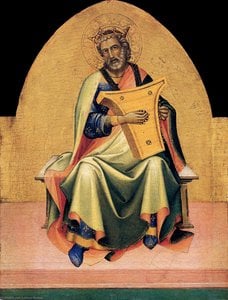
Antiphonary (Cod. Cor. 1, folio 3)

Lorenzo Monaco (1370–1425) bol sienenský maliar a iluminátor vrcholného gotiky, ktorý preradil cestu k renesansu. Poznáte jeho duchovné výtvory, iluminované rukopisy a jedinečný štýl?

Kúpte si digitálnu snímku vo vysokom rozlíšení s vylepšenými detailmi, ktorá je oveľa kvalitnejšia než online náhľad.

Každý súbor starostlivo pripravujú naši interní špecialisti pomocou pokročilých nástrojov a odborného manuálneho retušovania. Zabezpečujeme, aby každý obrázok disponoval výnimočnou čistotou, presnou farebnou vernosťou a jemnými detailmi.

Konečný súbor vám bude doručený e-mailom do 72 hodín, optimalizovaný pre okamžité použitie v profesionálnom, redakčnom aj tlačovom prostredí. Ide o rovnakú kvalitu, ktorej dôverajú špičkové dizajnérske štúdiá, vydavateľstvá a galérie.

Digitálny obraz

Stiahnite si vysokorozlíšený súbor na osobné zobrazovanie, tlačenie a kreatívne projekty. (Prepnúť na tlač Prepnúť na tlačKúpiť ručne maľovaný obraz Kúpiť ručne maľovaný obraz)

Celková cena

$ 24,90

Súčasťou každej objednávky digitálneho obrazu

Expetórne digitálne doručenie, garantované

Keď si vyberiete WahooArt.com, nedostávate len obrázok – získate profesionálne upravené digitálne umenie, vytvorené s precíznosťou a so zárukou vašej maximálnej spokojnosti. Tu je všetko, čo je súčasťou vašej objednávky automaticky:

shipping_icon
Rýchle doručenie e-mailom

Vaša vysokorozlíšená digitálna súprava obrázkov vám bude zaslaná e-mailom do 72 hodín od objednávky – pripravená na okamžité použitie.

canvas_icon
Digitálny súbor s vylepšením AI

Vaše dielo je profesionálne optimalizované pomocou pokročilých nástrojov umelej inteligencie a manuálnej editácie, čo zaručuje maximálnu úroveň detailov, čistotu a presnosť farieb.

insurance_icon
Bezplatné celoživotné opätovné doručenie

Náhodou ste zmazali alebo ste stratili svoj súbor? Nebavžte sa – pošleme vám ho kedykoľvek znova, úplne bez poplatkov.

tax_icon
Bez poplatkov za dovoz – navždy

Užite si svoje umelodelo okamžite bez colných poplatkov, daní alebo nákladov na dopravu – digitálne stiahnutia sú vždy oslobodené od dane.

color_icon
Garantovaná presnosť farieb

Pomocou profesionálnych nástrojov a farebného manažmentu zabezpečujeme, aby vaša digitálna fotografia čo najpresnejšie odrážala pôvodné farby.

return_icon
Záruka spokojnosti 100 dní

Ak nebudete spokojní so svojím digitálnym obrázkom, upravíme ho alebo vám v priebehu 100 dní vrátime 100% – bez zbytočných otázok.

guarantee_icon
100% Záruka vrátenia peňazí

Nie ste spokojní? Získajte plnú náhradu platby do 100 dní od prijatia digitálneho súboru – bez zbytočných otázok.

discount_icon
Zľavy pri veľkom odbere

Kúpte si 3 obrazy, ušetrite 10% - Kúpte si 5, ušetrite 15% - Kúpte si 10+, ušetrite 20%. Ideálne pre kreatívne projekty, galérie a agentúry.

Základné informácie

  • Subject or theme: Jesus' burial
  • Notable elements: Religious scene, gold frame
  • Location: Biblioteca Laurenziana, Florence
  • Dimensions: 463 x 480 cm
  • Movement: Quattrocento
  • Title: Antiphonary (Cod. Cor. 1, folio 3)
  • Year: 1396

Kvíz o umení

Pri každej otázke je iba jedna správna odpoveď.

Otázka 1:
The Antiphonary (Cod. Cor. 1, folio 3) depicts which significant event in Christian history?
Otázka 2:
Lorenzo Monaco, the artist of this work, was primarily known for:
Otázka 3:
The red clothing worn by the figures in the painting is often associated with:
Otázka 4:
In what year was the Antiphonary (Cod. Cor. 1, folio 3) created?
Otázka 5:
Which of the following best describes Lorenzo Monaco's artistic style, influenced by his monastic life?

A Monk’s Vision Transformed: Unveiling the Drama of Lorenzo Monaco's Antiphonary

Lorenzo Monaco’s “Antiphonary (Cod. Cor. 1, folio 3),” painted in 1396, is more than just a religious depiction; it’s a poignant distillation of the spiritual life and artistic evolution occurring at the cusp of the Renaissance. Born Piero di Giovanni around 1370 in Siena, Monaco's journey was marked by a profound shift from the vibrant, narrative-driven style of the Trecento to a more introspective and emotionally resonant approach deeply rooted in his monastic vows. This painting, housed within the Biblioteca Medicea Laurenziana in Florence, offers a rare glimpse into the mind of an artist wrestling with faith, mortality, and the burgeoning humanist ideals that would soon reshape European art.

The scene itself is deceptively simple yet powerfully evocative. At its heart lies the deposition of Christ – Jesus being gently lowered into his tomb by two figures, their gestures conveying a mixture of sorrow and reverence. The composition isn’t dominated by grand scale or heroic poses; instead, Monaco masterfully utilizes a carefully orchestrated arrangement of human forms to draw the viewer into this intimate moment of grief. Note the deliberate positioning of the supporting figures – one on the left, another on the right, and three clustered in the central area – each contributing to the overall sense of solemnity and communal mourning. The red garments worn by these individuals, a common symbol of religious authority and sacrifice, further emphasize the gravity of the event.

The Language of Color and Light: Monaco’s Technique

Monaco's technical skill is immediately apparent in his masterful use of color and light. The palette is restrained yet luminous, dominated by deep blues, ochres, and reds – colors traditionally associated with piety and mourning. He employs a technique known as *sfumato*, subtly blurring the outlines and softening transitions between forms, creating an atmosphere of hazy reverence. This approach, reminiscent of Giotto but with a distinctly more controlled sensibility, allows the figures to emerge from the background, drawing our attention to their emotional states rather than imposing them upon us through dramatic poses. The gold leaf accents, particularly around the tomb itself, not only enhance the painting’s visual richness but also symbolize divine presence and the sacredness of the event.

  • Pigments: Monaco utilized a range of pigments including ultramarine (derived from lapis lazuli), creating vibrant blues; vermilion for the reds, and orpiment for the yellows – all indicative of his access to high-quality materials.
  • Support: The painting is executed on wood panel, a common medium during this period, offering a stable surface for layering paint.
  • Brushwork: Close examination reveals a delicate and controlled brushstroke, prioritizing tonal harmony and subtle gradations of color over bold outlines.

Symbolism and Spiritual Depth

Beyond the literal depiction of Christ’s burial, “Antiphonary” is rich in symbolic meaning. The act of deposition itself represents sacrifice, humility, and redemption – core tenets of Christian theology. The figures surrounding the tomb are not merely witnesses; they embody the human response to suffering and loss. Their postures and expressions convey a spectrum of emotions: grief, compassion, and perhaps even a glimmer of hope. The very presence of an antiphonary—a book containing liturgical chants—suggests the painting’s intended purpose: to inspire devotion and facilitate prayer. Monaco's decision to portray this pivotal event within a monastic setting underscores the profound influence of his spiritual life on his artistic vision.

A Window into a Changing World

“Antiphonary (Cod. Cor. 1, folio 3)” stands as a crucial bridge between the Gothic and Renaissance periods. While retaining elements of the Trecento’s narrative clarity, Monaco introduces a greater emphasis on psychological realism and emotional depth – hallmarks of the emerging Renaissance style. This painting offers a powerful testament to the enduring power of faith, the complexities of human emotion, and the transformative potential of artistic vision. WahooArt is proud to offer meticulously crafted reproductions that allow you to experience the beauty and profound meaning of this remarkable work firsthand, bringing Lorenzo Monaco’s contemplative masterpiece into your home or studio.


Životopis umelca

Lorenzo Monaco (1370–1425): A Florentine Painter Bridging Gothic Elegance & Early Renaissance Innovation

Lorenzo Monaco, born Piero di Giovanni around 1370 in Siena, occupies a fascinating and pivotal position in the transition from the Gothic grace of the Trecento to the burgeoning Renaissance ideals of the Quattrocento. Though biographical details remain scarce, his artistic journey reveals a compelling story of adaptation, innovation, and deeply felt spirituality. Apprenticed in Florence, he absorbed the lessons of masters like Giotto, Spinello Aretino, and Agnolo Gaddi – artists who established a foundation of narrative clarity and emotional resonance. However, it was his embrace of monastic life in 1390, joining the Camaldolese order at Santa Maria degli Angeli, that truly shaped both his artistic identity and earned him the name by which he is best known: Lorenzo Monaco, or “Lawrence the Monk.” This commitment to a contemplative existence profoundly influenced the character of his work, imbuing it with an introspective quality and a focus on devotional themes.

Early Training & Gothic Influences

Lorenzo Monaco’s formative years were spent in Florence, where he received comprehensive artistic training under the tutelage of prominent masters. Giotto’s influence is palpable in his early paintings—particularly the predella of Santa Maria degli Angeli—characterized by a masterful command of narrative clarity and emotional expression. He diligently studied the techniques employed by Spinello Aretino and Agnolo Gaddi, absorbing their refined linearism and attention to detail. These artists had established a tradition of portraying biblical scenes with dignity and solemnity, prioritizing psychological realism over mere decorative splendor. Monaco’s initial stylistic choices reflected this heritage—a restrained palette dominated by muted hues and an emphasis on delicate ornamentation—demonstrating a respect for the aesthetic conventions of his time. The International Gothic style prevailed throughout Europe during this period, shaping Monaco's artistic vision and informing his approach to composition and color.

The Camaldolese Order & Spiritual Transformation

In 1390 Lorenzo Monaco entered the Camaldolese monastery of Santa Maria degli Angeli, marking a decisive turning point in his life and artistic career. This monastic vocation instilled within him a profound sense of spirituality that would permeate his subsequent work—a preoccupation with themes of faith, humility, and contemplation. He dedicated himself to liturgical art, producing illuminated manuscripts and panel paintings for the monastery’s chapel, demonstrating an unwavering devotion to religious expression. The Camaldolese Order's emphasis on asceticism and prayer undoubtedly influenced Monaco’s artistic sensibilities, fostering a stylistic preference for understated elegance and symbolic resonance. His work became imbued with an ethereal quality of light—a characteristic feature of Gothic art—reflecting his inner spiritual life and conveying profound emotional depth.

Evolution Towards Renaissance Style

From around 1404 Monaco's style began to shift noticeably, embracing elements that foreshadowed the burgeoning Renaissance aesthetic. He absorbed influences from contemporaries like Lorenzo Ghiberti and Gherardo Starnina, incorporating their sophisticated compositional techniques and meticulous attention to detail. The *Pietà* in Florence’s Galleria dell’Accademia exemplifies this transition—characterized by elongated figures draped in sinuous drapery, sharp edges, and a luminous palette infused with gold leaf and lapis lazuli. Monaco skillfully blended Gothic elegance with Renaissance stirrings, creating a distinctive visual language that distinguished him from his predecessors. He experimented with spatial arrangements—moving away from the flattened perspectives of Gothic art toward more realistic depictions of space—though he retained his commitment to conveying emotional intensity through stylized forms and expressive gestures.

Major Achievements & Legacy

Lorenzo Monaco achieved considerable renown during his lifetime, securing commissions for monumental frescoes in churches throughout Tuscany and producing numerous illuminated manuscripts that stand as masterpieces of medieval artistry. His most celebrated works include the *Coronation of the Virgin*, housed in the Uffizi Gallery—a vibrant tapestry of saints rendered with remarkable dynamism and color—and the *Polyptych of Monteoliveto*, which showcases his mastery of monumental painting and exemplifies the spiritual fervor of the Quattrocento. Perhaps Monaco’s crowning achievement is the *Adoration of the Magi* (1420-1422), a fresco in the Palazzo Vecchio that demonstrates his innovative use of foreshortening—creating a compelling visual illusion without resorting to strict geometrical perspective—and conveying profound emotional depth. Giorgio Vasari, writing in his *Lives of the Artists*, acknowledged Monaco’s talent while noting his untimely death from an unidentified infection around 1425. Despite his brief career, Lorenzo Monaco left an indelible mark on Florentine art history—establishing himself as the last significant exponent of Giotto's style and paving the way for the transformative innovations of Masaccio and Filippo Brunelleschi. His legacy continues to inspire artists today, reminding us that artistic excellence can flourish within established traditions while simultaneously embracing new aesthetic horizons.
Lorenzo Monaco

Lorenzo Monaco

1370 - 1425 , Taliansko

Základné informácie

  • Artistic Movement Or Style: Late Gothic / Early Renaissance
  • Artists Or Movements Influenced By This Artist: ['Fra Angelico']
  • Artists Who Influenced This Artist:
    • Giotto
    • Spinello Aretino
    • Agnolo Gaddi
  • Date Of Birth: c. 1370
  • Date Of Death: c. 1425
  • Full Name: Lorenzo Monaco
  • Nationality: Italian
  • Notable Artworks:
    • Madonna and Child
    • Praying Prophet
    • Christ Giving the Keys to Saint Peter
  • Place Of Birth: Siena, Italy