BEZPLATNÉ UMENÍCKE PORADENSTVO

x
Kúpiť tlač Kúpiť tlačKúpiť digitálnu verziu Kúpiť digitálnu verziu OdoslaťOdoslať
PodrobnostiPodrobnosti Pridať do obľúbených Pridať do obľúbených StiahnuťStiahnuť Podobné dielaPodobné diela RTG skúškaRTG skúška PrezentáciaPrezentácia

Man

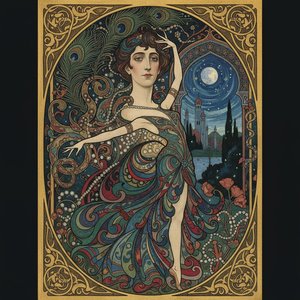
Léon Bakst Delve into Léon Bakst’s masterful depiction of a man—a striking Cubist portrait reflecting the Ballets Russes aesthetic. Explore textures, form, and color in this iconic piece.

Léon Bakst (1866-1924) bol vynikajúci ruský maliar a dizajnér, známy najmä svojimi opulentnými kulisami a kostýmami pre Balet Ruskej ríše, ktorý spájal Art Nouveau s orientálnymi vplyvmi a revolučne zmenil divadelné diela.

Ručne maľovaná olejová reprodukcia

Ručne maľovaný olej na plátne vo vašej zvolenej veľkosti a v ráme, vyrobený na mieru našimi umelcami.

P118B $10
P118H $10
P118W $10
P438Z $10
P508JH $12
P508YH $12
P805H $10
P805Z $10
P919BZ $10
P919G $10
P919XJ $10
P959ZH $10
P968JZ $12
W106C $8
W218G $10
W218JH $8
W218Y $10
W307PJ $10
W316G $10
W316PJ $8
W316Y $10
W398PJ $8
W4111J $10
W500HY $15
W500JH $15
W692G $12
W849H $8
W940BG $15
W953PJ $8

Standard
custom
CM
INCH

Vyberte si z našich preddefinovaných rozmerov, ktoré zodpovedajú pôvodným pomeroḿ diela.

šírka
výška

Môžete zadať vlastné rozmery tak, aby sa hodili do konkrétneho rámu alebo priestoru. Ak sa váš zvolený rozmer nezhoduje s pôvodnými proporciami obrazu, dielo buď orezáme, alebo ho doplníme ručne maľovanými prvkami. Pred začiatkom výroby vám zašleme digitálny náhľad na schválenie.
Upozorňujeme, že ukážka na obrazovke neodráža skutočné orezanie alebo doplnenie. Skutočnú finálnu kompozíciu zobrazuje iba digitálny náhľad.
Hoci sú k dispozícii vlastné rozmery, odporúčame vybrať rozmer z preddefinovaného zoznamu, aby sme zachovali pôvodné proporcie.

Príklady možných zmien: nahradiť tvár fotografiou zákazníka; pridať domáce zviera (napr. nahradiť mačku psom); vložiť skryté posolstvo do pozadia; zmeniť krajinu alebo prvky pozadia.
Po odoslaní objednávky vám tím WahooArt.com pošle e-mail s pokynmi a poskytne náhľad na návrh.

Celosvetová doprava () za 3 až 4 týždne namiesto štandardných 5 týždňov. (2 júl). Bez kompromisov v kvalite.

why_choose_icon
Bezplatná expresná doprava po celom svete
why_choose_icon
Prémiové lnianske plátno
why_choose_icon
Kompletné poistenie prepravy
why_choose_icon
Záruka vrátenia colného poplatku
why_choose_icon
Záruka presného farebného zhodnutia
why_choose_icon
60-dňá politika vrátenia (iba pri defektoch)
why_choose_icon
100% záruka vrátenia peňazí
why_choose_icon
Výhodná množstevná zľava

Celková cena

-

reproduction

Man

Technika reprodukcie

Veľkosť reprodukcie

-

Celková cena za vybrané možnosti

-

Základné informácie

  • Notable elements or techniques: Fragmented forms & dynamic composition
  • Subject or theme: Portrait
  • Year: 1910
  • Artistic style: Stylized portraiture
  • Movement: Cubism
  • Medium: Oil on canvas
  • Location: Private Collection

Kvíz o umení

Pri každej otázke je iba jedna správna odpoveď.

Otázka 1:
What artistic movement is Léon Bakst’s ‘Man’ primarily associated with?
Otázka 2:
The photograph depicts a man wearing attire reminiscent of what historical period?
Otázka 3:
Bakst created ‘Man’ for which influential theatrical company?
Otázka 4:
What stylistic technique is evident in the depiction of the man’s clothing and background?
Otázka 5:
Considering Bakst's artistic influences, where would one find similar stylistic approaches?

Popis diela

A Fragmented Reflection: Examining Léon Bakst’s “Man”

Léon Bakst's "Man," created in 1910, stands as a striking testament to the burgeoning Cubist movement and its influence on theatrical design. Captured in a monochrome photograph—a deliberate choice reflecting the aesthetic sensibilities of the era—the image depicts a solitary figure rendered with fractured geometric forms against a muted backdrop. This seemingly simple composition belies a profound exploration of artistic innovation and psychological depth, encapsulating the spirit of Ballets Russes’ ambitious undertaking to redefine ballet as an art form.

The Cubist Influence: Breaking Down Reality

Bakst's approach aligns seamlessly with the core tenets of Cubism pioneered by Pablo Picasso and Georges Braque. Rather than striving for realistic representation—a hallmark of Impressionism—Cubists sought to depict subjects from multiple viewpoints simultaneously, fracturing them into interlocking planes that challenged conventional perceptions of space and form. In “Man,” this is evident in the deliberate distortion of the figure’s torso and limbs, presenting a fragmented portrait that prioritizes conceptual exploration over visual accuracy. The artist skillfully employs geometric shapes—primarily cubes and rectangles—to construct the man's body, mirroring the broader Cubist preoccupation with dissecting and reconstructing reality.

A Stage for Innovation: Context Within Ballets Russes

“Man” wasn’t merely an artistic exercise; it served as a crucial element within Sergei Diaghilev’s groundbreaking Ballets Russes productions. Diaghilev, a visionary impresario determined to elevate ballet beyond mere entertainment, assembled an unparalleled roster of artists—including Picasso, Matisse, Nijinsky, and Vasili Kandinsky—to collaborate on projects that pushed the boundaries of artistic expression. Bakst's costume design for “Schéhérazade,” inspired by Prospero Merimée’s novella, exemplifies this collaborative spirit. The costume itself—a brown outfit accented with a green vest—was conceived as a visual embodiment of the narrative’s themes of illusion and transformation, mirroring the fractured perspective adopted in the artwork.

Symbolism Beyond Geometry: Hints of Emotion

Despite its geometric rigidity, “Man” possesses an understated emotional resonance. The muted color palette—primarily shades of brown and gray—contributes to a sense of solemn contemplation, inviting viewers to consider the figure’s inner state alongside his external appearance. The pose itself—hands behind his back—suggests confidence yet also conveys a subtle vulnerability, hinting at unspoken anxieties or aspirations. These nuances underscore Bakst's mastery in conveying psychological complexity through formal innovation, demonstrating that Cubism wasn’t solely concerned with geometric abstraction but also with capturing the essence of human experience.

A Legacy Enduring: Inspiration for Interior Design

Today, reproductions of “Man” offer a captivating glimpse into the artistic fervor of the early 20th century and provide valuable inspiration for interior designers seeking to infuse their spaces with intellectual curiosity and stylistic sophistication. The artwork’s geometric abstraction—a cornerstone of Cubism—translates beautifully into minimalist patterns and textures, creating harmonious compositions that celebrate simplicity and elegance. Consider incorporating shades reminiscent of Bakst's palette—earthy browns and muted greens—to evoke the moodiness and contemplative spirit of this iconic masterpiece.

Biografia umelca

Early Life and the Seeds of Artistic Rebellion

Léon Bakst, originally Leyb-Khaim Izrailevich Rosenberg, was born in Grodno, a city within the Russian Empire (now Belarus) in 1866. This location—a frontier region with a significant Jewish population—shaped his early experiences and subtly influenced his artistic sensibilities. His family, though comfortably middle class, possessed connections to the imperial court through his grandfather, a celebrated tailor who enjoyed patronage from the Tsar. This background instilled in young Leyb a keen awareness of cultural nuances alongside an early passion for drawing, a talent that was first demonstrated when he won a contest at just twelve years old. However, this burgeoning artistic inclination initially met with resistance from his parents, hesitant to embrace such an unconventional path. Despite their reservations, Bakst persevered, demonstrating a remarkable determination and a deep-seated desire to pursue his creative calling. He studied at the prestigious St. Petersburg Academy of Arts as a non-credit student while simultaneously supplementing his education by working as a book illustrator—a practical necessity that honed his technical skills and provided crucial financial independence during his formative years. It was in 1889 that he adopted the surname "Bakst," a pragmatic decision reportedly motivated by concerns that his birth name might hinder career advancement within a society often prejudiced against Jewish individuals, revealing the subtle yet persistent challenges faced by artists from marginalized communities during that era. The choice of this new name wasn’t merely stylistic; it was a strategic maneuver to navigate the complexities of a world where social standing and professional opportunities were frequently dictated by ethnicity.

The World of Art and Embracing Modernity

Bakst's artistic development truly flourished with his involvement in the influential “World of Art” movement, a vibrant collective dedicated to exploring diverse artistic expressions and challenging traditional academic norms. He quickly became a pivotal figure alongside luminaries like Sergei Diaghilev and Alexandre Benois, contributing significantly to the group’s eponymous periodical through his striking graphics and innovative designs. This association brought him widespread recognition and established him as a rising star within Russia’s burgeoning artistic circles—a period marked by experimentation, intellectual ferment, and a rejection of rigid artistic conventions. The *Mir Iskusstva* (“World of Art”) movement aimed to educate the Russian public about trends and issues in the arts, fostering a spirit of creative exchange and pushing the boundaries of established aesthetic practices. Bakst’s early works reflected this spirit, incorporating elements of realism alongside burgeoning influences from Orientalism and early Modernism—a synthesis that would become a hallmark of his style. He was particularly drawn to the vibrant colors, exotic themes, and stylized forms prevalent in Eastern art, which he skillfully integrated into his paintings and graphic designs. This willingness to experiment with diverse influences marked him as an artist attuned to the changing currents of his time, anticipating the revolutionary aesthetic that would define the coming decades. His work began to whisper of a new visual language, one that moved beyond strict representation toward evocative suggestion.

Revolutionizing Ballet with the Ballets Russes

The pivotal moment in Bakst’s career arrived in 1908 when he began designing sets and costumes for theatrical productions—a shift that would forever alter the landscape of stage design. His collaboration with Sergei Diaghilev's Ballets Russes proved transformative, revolutionizing theatrical aesthetics and catapulting both artists to international fame. Bakst’s designs were groundbreaking; they moved away from realistic depictions, embracing stylized forms, bold colors, and a sense of opulent fantasy. Productions like *Cleopatra*, *Scheherazade* (1910)—perhaps his most iconic work—*Carnaval* (1910), *Narcisse* (1911), and particularly *L'Après-midi d’un Faune* (1912) became legendary for their visual splendor. L’Après-midi d’un Faune, in particular, was a seminal work that profoundly influenced the development of ballet and stage design, establishing a new aesthetic language for the art form. He didn't merely create backdrops; he constructed immersive worlds that heightened the emotional impact of the choreography and music. The costumes were equally innovative, often incorporating exotic fabrics, shimmering embellishments, and daring silhouettes that challenged conventional notions of theatrical attire. Bakst’s designs weren’t simply decorative; they were integral to the storytelling process, contributing significantly to the overall dramatic effect of each production. His meticulous attention to detail—from the intricate patterns on the costumes to the evocative use of color in the sets—created a truly unforgettable experience for audiences.

Legacy and Enduring Influence

Léon Bakst’s legacy extends far beyond his contributions to ballet. He is rightfully considered one of the most important figures in the history of theatrical design, significantly impacting both set and costume creation for generations to come. His designs also contributed to the development of the Art Deco style with their emphasis on stylized forms, rich colors, and exotic themes—a testament to his far-reaching influence on visual culture. Despite facing some criticism during his lifetime for perceived extravagance, Bakst’s work was widely celebrated, and his funeral in 1924 was attended by a remarkable gathering of prominent artists, poets, musicians, dancers, and critics—a poignant demonstration of the esteem in which he was held. Today, his artwork can be found in museums worldwide and continues to inspire through reproductions available on platforms like WahooArt.com, ensuring that his innovative spirit and artistic vision endure for audiences around the globe. Bakst’s ability to synthesize diverse influences, embrace experimentation, and create visually stunning worlds cemented his place as a true visionary of the 20th century.
  • A master of color and composition.
  • Pioneered new approaches to theatrical design.
  • Influenced Art Deco aesthetics.
Léon Bakst

Léon Bakst

1866 - 1924 , Bielorusko

Základné informácie

  • Artistic Movement Or Style: Art Nouveau, Orientalizmus
  • Artists Or Movements Influenced By This Artist: ['Ballets Russes']
  • Date Of Birth: 1866
  • Date Of Death: 1924
  • Full Name: Léon Bakst
  • Nationality: Ruský
  • Notable Artworks:
    • Scheherazade
    • L'Après-midi d'un Faune
    • Cleopatra
  • Place Of Birth: Grodno, Belarus
Preskúmajte umelecká diela usporiadané podľa tém, štýlov a charakteristík.