


 Akryl na papieriFauvism
 1910Modernizmus
 27.0 x 26.0 cm
Giclée tlač alebo plátno múzeálnej kvality s rýchlou výrobou a flexibilnými možnosťami povrchovej úpravy. ( Kúpiť ručne maľovaný obraz Kúpiť obrázok)





























Vyberte si z našich preddefinovaných rozmerov, ktoré zodpovedajú pôvodným pomeroḿ diela.

Môžete zadať vlastné rozmery, aby sa reprodukcia prispôsobila konkrétnemu rámu alebo priestoru. Ak zvolená veľkosť nebude zodpovedať proporciám originálu, dielo buď orežeme, alebo obraz rozšírime pomocou zrkadlenia či farebného doplnenia okrajov. Pred začatím výroby vám pošleme digitálnu ukážku na schválenie.
Máte na vedomí, že náhľad na obrazovke neodzrkadľuje skutočné orezanie alebo rozšírenie. Len digitálna ukážka presne zobrazí finálnu kompozíciu.
Hoci sú k dispozícii vlastné rozmery, pre zachovanie pôvodných proporcií odporúčame vybrať si rozmer z vopred definovaného zoznamu.
Celosvetová doprava () do 2 týždňov namiesto štandardných 4/5 týždňov. (6 september)


Self-Portrait
Veľkosť reprodukcie
Kazimir Malevich's 1910 “Self-Portrait” is not merely a depiction of an individual; it’s a declaration. Painted in gouache on paper, this work stands as a pivotal example of the Fauvist movement – a radical departure from the naturalistic traditions that had dominated Western art for centuries. More than just a portrait, it's a concentrated distillation of color and form, a visual embodiment of Malevich’s burgeoning exploration of pure feeling and abstraction. The painting immediately commands attention with its vibrant palette: a striking red tie dominates the composition, juxtaposed against a background that seems to dissolve into an energetic swirl of blues and greens. This isn’t a realistic rendering; it's an emotional landscape rendered in pigment.
Born from a reaction against Impressionism’s focus on capturing fleeting moments of light, Fauvism embraced the deliberate distortion of color for expressive effect. Artists like Henri Matisse and André Derain used intense hues – often divorced from naturalistic representation – to evoke moods and sensations directly. Malevich's “Self-Portrait” perfectly embodies this principle. The bold red isn’t simply a description of his tie; it’s a conduit for energy, confidence, or perhaps even defiance. The artist deliberately avoids subtle gradations, opting instead for flat areas of color that vibrate with intensity. This technique creates a sense of immediacy and raw emotion, pulling the viewer directly into the painting's core.
While firmly rooted in Fauvism, Malevich’s work is already hinting at his later development of Suprematism – an even more radical movement that sought to eliminate all representational elements from art. Notice the simplification of form within the portrait itself; the face is rendered with broad strokes and minimal detail, prioritizing the overall composition over a precise likeness. The background, too, is reduced to dynamic shapes and colors, suggesting movement and energy rather than a specific location. This deliberate reduction reflects Malevich’s belief that art should transcend the limitations of the visible world and tap into a realm of pure feeling and spirituality – a concept central to Suprematism.
To understand “Self-Portrait,” it's crucial to situate it within the broader context of Post-Impressionism. This movement, spanning from roughly 1886 to 1905, represented a diverse range of artistic approaches that reacted against Impressionism’s emphasis on capturing light and color. Artists like Paul Cézanne, Vincent van Gogh, and Paul Gauguin explored subjective experience, emotional intensity, and symbolic meaning in their work. Malevich's Fauvist tendencies align with this broader trend toward greater expressiveness and experimentation within the Post-Impressionist landscape. His exploration of color and form paved the way for the revolutionary developments that would characterize 20th-century art.
“Self-Portrait” is more than just a beautiful painting; it’s a foundational work in the history of modern art. It represents a crucial step toward abstraction, demonstrating Malevich's willingness to challenge conventional artistic norms and explore new ways of representing reality – or, perhaps more accurately, representing inner experience. Reproductions of this powerful image continue to resonate with viewers today, offering a glimpse into the mind of a visionary artist who fundamentally altered the course of art history. Explore high-quality reproductions on WahooArt.com for a stunning addition to your collection.


1878 - 1935 , Ukrajina

Discover the breathtaking allure of Art Deco. Explore the era's iconic geometry, legendary designers like Erté, and timeless glamour. Perfect for discerning collectors seeking to infuse their spaces with sophisticated modernist elegance and historical prestige.
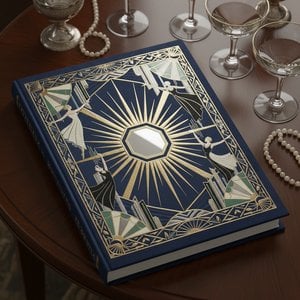
Discover the allure of Art Deco through a curated guide to its most iconic masterpieces. Explore the elegance of Erté and the innovation of Jean Dunand, perfect for collectors seeking timeless glamour and sophisticated design inspiration.
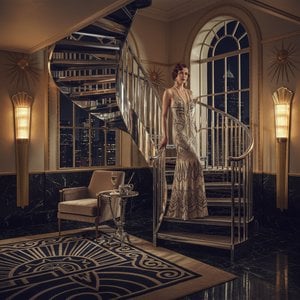
Discover the allure of Art Deco style with our expert guide to luxury interiors. Explore iconic influences from Erté to Jean Dunand and learn to curate a sophisticated space filled with timeless glamour and geometric elegance.
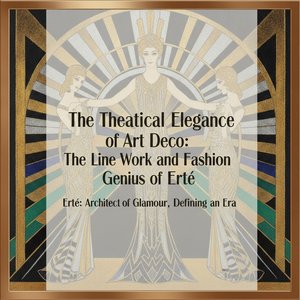
Discover the unparalleled elegance of Art Deco through the lens of Erté. Explore a masterclass in linear precision, theatrical costume design, and high-fashion illustration that continues to define modern luxury and sophisticated interior aesthetics.

 Náhľad
 Odoslať
 Zdieľať
 Podrobnosti o dielo

 Stiahnuť
 Podobné diela
 RTG skúška
 Prezentácia
 Zobraziť viac







 Možnosť skla je dostupná len pri rozmeroch pod 110 cm


