Životopis umelca
A Life Forged in Shadow and Light
Jusepe de Ribera, známy ako Lo Spagnoletto – “Malý Španiel” – bol obdivuhodný umelec barokovej éry, ktorého plátna pulzovali dramatickou intenzitou a bezkompromisnou realistickosťou. Narodil sa v Xàtiva, Španielsko, v roku 1591, a jeho cesta ho odviedla ďaleko od svojich valencijských korienov, čím sa etabloval ako jeden z najvýznamnejších maliarov 17. storočia v Neapole, meste pod španielskou nadvládou. Život Ribery nebol len kronikou umeleckého rozvoja; bol to príbeh spletený s ťažkosťami, ambíciami a nezlomným záväzkom k zobrazovaniu ľudskej existencie v jej čoraz väčšej krúžnosti. A hoci skoré životopisné detaily zatiaľ zahalené v nejakej závoji, vieme, že sa usadil v Taliansku okolo roku 1607, najprv v Ríme a neskôr sa v roku 1616 presťahol do Neapolu – mesta, ktoré sa stalo jeho umeleckým domovom a krízovým bodom pre jeho jedinečný štýl. Jeho manželstvo s Caterínou Azzolino, dcérou miestneho maliara, ďalej posilnilo jeho väzby k neapolskému umelníckeho prostredia, umožňujúc mu rozkvitnúť v jeho živajúcom, no často turbulentnom, prostredí.
The Embrace of Tenebrism and Realist Vision
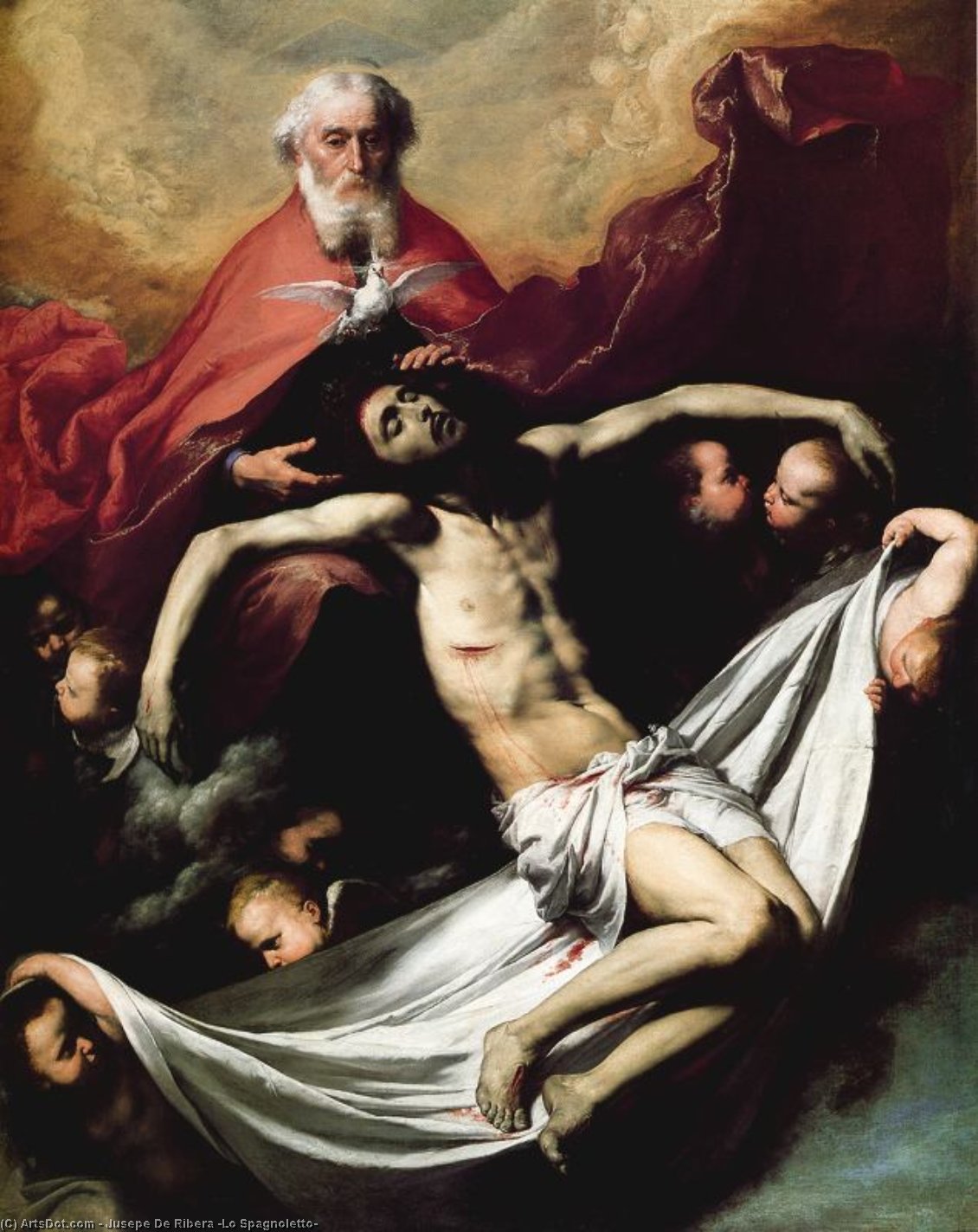
Umelecké vzdelanie Ribery bolo hlboko ovplyvnené prúdmi talianskych maľieb. Vplyv Caravaggia je nepopriateľiteľný; Ribera absorboval revolucionárnu techniku Caravaggia – dramatickú interakciu svetla a tieňa – na vytváranie scén nabitých emocionálnou silou. Avšak on ju neukrádli. Syntetizoval túto techniku s prvkami získanými od iných majstrov, ako je Guido Reni, pričom integroval klasickú citlivosť do svojich kompozícií zatiaľ čo si uchovával vulgárny dopad Caravaggiaovej realizmu. Táto fúzia viedla k štýlu jedinečnému pre neho: charakterizovanému ostrými kontrastmi, intenzívne zameranými postavami a takmer brutálnou úprimnosťou pri zobrazovaní ľudského utrpenia a duchovnej extázie. Jeho skoré diela, ako je *Umučenie sväteho Bartolomeja*, exemplifikujú tento prístup – znepokojivé zobrazovanie bolesti zobrazené s bezkompromisným detailom. Nebol ochotný odmietať fyzické reality mučení, zkrivené postavy, napäté svaly, dokonca aj textúra pokožky a kostí. Tento záväzok k realizmu sa rozširoval aj mimo náboženské motívy; jeho portréty chudobných ľudí a bežnejších obyvateľov, často zobrazované ako filozofi alebo svätci, boli vted' revolucionárne v tom, že zdvihli marginalizovaných na úroveň dôstojnosti a významu, akú zriedka videli v umení.
A Career Across Genres and Evolving Styles
Ribera’s artistic output was remarkably diverse. While he is perhaps best known for his religious paintings – scenes of martyrdom, depictions of saints, and dramatic biblical narratives – he also excelled in portraiture, still life, and even landscape painting. His *Saint Jerome and the Angel*, for instance, showcases a softer, more contemplative side to his artistry, while still retaining the characteristic dramatic lighting that defines his work. Throughout his career, Ribera’s style underwent subtle but significant evolutions. His earlier paintings are marked by an almost austere realism and a stark use of tenebrism. As he matured, particularly after establishing himself firmly in Naples, his palette became richer, his compositions more complex, and his lighting somewhat softened. However, the core elements of his Baroque aesthetic – the emotional intensity, the dramatic narratives, and the unwavering commitment to portraying human experience with honesty – remained constant. He was a master craftsman, capable of rendering textures with astonishing precision, from the rough fabric of a beggar’s cloak to the smooth skin of a youthful saint.
Key Works and Influences
Ribera's work is characterized by its dramatic intensity and unflinching realism. His most famous paintings include *The Martyrdom of Saint Bartholomew*, *The Lamentation over the Dead Christ*, *Saint Jerome in the Wilderness*, and *The Penitent St. Peter*. He was deeply influenced by Caravaggio, but also drew inspiration from other masters such as Guido Reni and Michelangelo. Ribera’s use of tenebrism – the dramatic contrast between light and shadow – created a sense of drama and emotional intensity that is characteristic of Baroque art. His paintings often depict scenes of suffering and torment, reflecting his own belief in the importance of faith and redemption.
Legacy and Lasting Influence
Jusepe de Ribera’s impact on the art world extended far beyond his Neapolitan workshop. He became a pivotal figure in Spanish Baroque painting, alongside masters like Velázquez, Zurbarán, and Murillo. His innovative use of tenebrism and his unflinching realism influenced generations of artists throughout Europe. His work resonated with those seeking to break away from the idealized forms of Renaissance art and embrace a more visceral, emotionally charged style. Even later artists drew inspiration from his dramatic compositions and powerful depictions of human suffering. Today, Ribera’s paintings are housed in prestigious museums around the world – the Museo del Prado in Madrid, the National Gallery of Art in Washington D.C., and numerous institutions across Europe – ensuring that his legacy continues to inspire and captivate audiences centuries after his death in 1652. He stands as a testament to the power of art to confront difficult truths, explore the depths of human emotion, and illuminate the enduring spirit of faith and resilience.