


Umelecké dielo zobrazené na tejto stránke je chránené autorským zákonom, čo znamená, že nemôžeme legálne vytvárať ani predávať jeho identickú reprodukciu. Táto ochrana je vymáhaná na základe medzinárodných dohôd, ako napríklad Bernská konvencia a národnými zákonmi, vrátane tých, ktoré sú stanovené v Autorské právo USA – Title 17. Všetky práva vyhradené.
Táto metóda plne dodržiava autorské práva, pretože nezahŕňa kopírovanie ani duplikovanie chráneného diela. Ide skôr o kreatívnu reinterpretáciu – nový obraz, ktorý je ovplybnený originálom, no nie je s ním identický.
Giclée tlač alebo plátno múzeálnej kvality s rýchlou výrobou a rôznymi možnosťami povrchovej úpravy. ( Kúpiť ručne maľovaný obraz Prepnúť na digitálny obraz)





























Vyberte si z našich preddefinovaných rozmerov, ktoré zodpovedajú pôvodným pomeroḿ diela.

Zadajte šírku a výšku, ktoré potrebujete, aby sa reprodukcia hodila k vášmu rámu alebo stene. Print možno len orezávať, nikdy však nemennú veľkosť zvětšiť oproti pôvodnému obrázku, preto pri inom formáte stráca časť obrazu. Pred samotným vytlačiacím procesom vám pošleme digitálny náhľad na schválenie. Obrázok zobrazený na tejto stránke nezobrazuje reálny rez — len digitálny náhľad ukazuje presný výsledok.
Celosvetová doprava () do 2 týždňov namiesto štandardných 4 až 5 týždňov. (9 november)
Mujer desnuda
Veľkosť reprodukcie
In the quiet, evocative depths of Joy St Clair Hester’s 1945 masterpiece, Mujer desnuda, we encounter a profound dialogue between the human form and the natural world. This striking work, executed during a transformative period in Australian Modernism, transcends mere representation to touch upon the very essence of vulnerability. The composition presents a stylized, nude female figure nestled within an abstracted landscape, where the boundaries between skin and scenery begin to blur. Through a masterful use of asymmetrical balance, Hester positions her subject off-center, creating a rhythmic tension that breathes life and movement into the stillness of the paper. It is a piece that does not merely ask to be seen, but demands to be felt, inviting the viewer into a private moment of deep introspection.
The technical execution of Mujer desnuda reveals Hester’s unparalleled command over the fluid medium of ink and watercolor. Eschewing the rigid constraints of realism, she employs bold, expressive brushstrokes that define the figure with a spontaneous energy. The lines are thick and purposeful, tracing the contours of the body and the surrounding foliage with a rhythmic grace that suggests both strength and fragility. This technique creates a tactile quality, where the subtle variations in ink density provide a sense of organic life. The palette is intentionally restrained, relying on a somber, earthy harmony of browns, beiges, and deep blacks. This monochromatic approach strips away the distractions of color, forcing the eye to focus on the raw emotional weight of the shapes and the haunting beauty of the silhouettes.
Beyond its aesthetic allure, the artwork serves as a poignant window into the psyche of one of Australia's most significant modernist voices. As a key figure within the influential Heide Circle and the "Angry Penguins" movement, Hester was deeply invested in exploring the complexities of the human condition—themes of love, loss, and identity. In Mujer desnuda, the integration of the female form into the landscape can be read as a symbolic return to nature, an exploration of femininity as an elemental force. The abstracted trees and vague horizon lines create a dreamlike, almost primordial setting, where the figure’s reaching pose suggests a profound longing or a spiritual aspiration. There is a palpable sense of solitude within the frame, yet it is not a lonely isolation; rather, it is a contemplative state of being that resonates with anyone who has sought solace in the quietude of nature.
For the discerning collector or interior designer, this reproduction offers more than just a visual accent; it provides a focal point of intellectual and emotional depth. The artwork’s ability to anchor a room with its muted tones and sophisticated abstraction makes it an ideal choice for contemporary spaces that value understated elegance and historical significance. Whether placed in a curated gallery setting or as a soulful addition to a private study, Mujer desnuda continues to evoke the same sense of wonder and melancholy that Joy St Clair Hester captured decades ago. It remains a timeless testament to the power of the expressive line and the enduring beauty of the human spirit caught in a moment of quiet revelation.
Diaporama diela „Mujer desnuda“ si môžete pozrieť na jeho stránke Prehliadanie diela.
Náhľad diela „Mujer desnuda“ od Joy St Clair Hester si môžete pozrieť na jeho stránke Náhľad diela.
Vzhľadom na jeho Neutrals farebnú paletu sa dielo „Mujer desnuda“ odporúča do miestnosti typu Bedroom.


1920 - 1960 , Australia
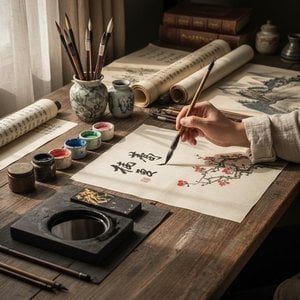
Embark on a sophisticated exploration of ink wash painting and Sumi-e. Uncover the profound historical lineages, Zen philosophies, and technical mastery behind this timeless medium in our authoritative guide for fine art enthusiasts.

Explore the profound artistry of graphite drawing. Discover professional techniques for mastering depth, texture, and detail through a lens of art history, from classical sketches to modern masterpieces. Elevate your understanding of the pencil medium with our expert guide.

Elevate your artistic practice with this expert guide to mastering the line. Discover advanced techniques in graphite, charcoal, and contour drawing designed for art students seeking technical precision and expressive depth in their fine art studies.
 Náhľad v interiéri
 Odoslať ako digitálnu kartu
 Zdieľať
 Podrobnosti o dielo
 Príručka

 Stiahnuť obraz
 Podobné položky
 RTG skúška
 Prehliadanie diapozoje
 Otázky a odpovede
 Štatistiky


 Zobraziť viac









 Možnosť skla je dostupná len pri rozmeroch pod 110 cm


