Biografia umelca
A Roman Beginning: The Early Life and Influences of John William Waterhouse
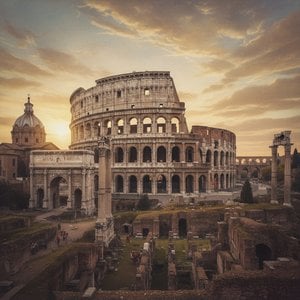
John William Waterhouse, meno známe ako J.W. Waterhouse, bol anglický maliar, ktorý sa stal jednou z najvýznamnejších postavičiek Pre-Rafaelitického a viktoriánskeho umenia. Jeho umelecká cesta však začala v úplne inej krajine a pod iným vplyvom – v starom Ríme. Narodil sa v roku 1849 v Ríme, kde jeho rodičia, anglickí maliari William a Isabella Waterhouse, pracovali. Tento prvý život v talianskych ruinách a medzi antickými múrmi hlboko ovplyvnil jeho estetické zmysly a lásku k klasickej rímskej kultúre a mytológii. Rímske prostredie mu poskytlo neoddeliteľné spojenie s antickým umením, čo sa prejavilo v mnohých jeho neskorších dielach. Rodina Waterhouse sa vrátila do Anglicka v roku 1854 a usadila sa v South Kensington, Londýne – lokalite strategicky vybrané kvôli blízkosti Victoria and Albert Museum, ktorý ponúkal neprekonateľnú zbierku klasických sošien a dekoratívnych umení. Tu bol mladý John vystavený obrovskému množstvu antických skulptúr a umeleckých diel, čo ďalej rozvíjalo jeho fascináciu antickou rímskou civilizáciou. Jeho rané vzdelanie bolo konvenčné – zahŕňalo štúdium na Royal Academy Schools v Londýne, kde zdokonalil svoje technické zručnosti v kreslení a maľbe. Avšak práve atmosféra intelektuálnej zvanej a umeleckej inovácie ho skutočne rozžiarlila. Už jeho prvé diela odrážajú precízelú detailnosť a záväzok k historickej presnosti, vlastnosti, ktoré sa stali charakteristickými pre jeho štýl. Jeho rané práce často zobrazovali klasické motívy, čo naznačuje vplyv umelcov ako Alma-Tadema a Frederic Leighton, ktorí boli známi svojou detailnou reprezentáciou antických scenérií a mytologických príbehov.
Embracing the Pre-Raphaelite Brotherhood
Aj keď sa Waterhouse’s prvé diela vyznačovali klasickými náhľadmi, ktoré spájali s umelcami ako Alma-Tadema a Frederic Leighton, postupne sa k nemu upútal ideál Pre-Rafaelitného bratstva. Toto umelecké združenie, založené v roku 1848, vyzývalo k návratu k detailnému pozorovaní prírody a živým farbám nájdeným v ranom talianskym renesančnom umení – pred tým, čo sa im zdařilo ako stylistický pokles iniciovaný Rafaelom. Waterhouse sa sám nezapojil do bratstva, ale svedomie plne prijala jeho princípy a vnášala do svojich maľieb lyrickú krásu a emocionálnu hĺbku, ktorá rezonovala s publikom. Jeho obraz Sleep and his Half-Brother Death z roku 1874, ktorý bol vystavený na Royal Academy, predstavoval významný obrat, demonštroval jeho rastúcu maľerskú zručnosť a schopnosť vyjadriť symbolické príbehy. Tento úspech mu otvoral cestu k stabilnému umiestneniu v rokoch výstav a etabloval ho ako stúpajúcu hviezdu londýnskej umeleckej scény. On sám sa nejedol iba technikami Pre-Rafaelitov, ale interpretoval ich prostredníctvom vlastného pohľadu, kombinujúc klasickú presnosť s romantickou zmyslosťou.
Mythological Visions and Arthurian Echoes
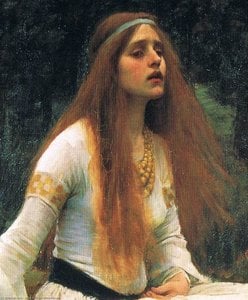
Najznámejšie diela Waterhouse sú tie, ktoré čerpajú inšpiráciu z mytológie a archanických legend. Vlastnil neobyčajnú schopnosť oživiť starodávne príbehy, zobrazovať bohyňu, nymfy a tragické hrdinky s nádhernou kombináciou krásy a patosu. Lady of Shalott, možno jeho najikonickejší obraz, existuje v troch verziách (1888, 1894 a 1916), každá z nich je dôkazom jeho trvalého záujmu o Tennysonovu báseň. Obraz mladé ženy odvrhnuté na jej riadke sa stal symbolom viktoriánskej romantiky a osudu umelca. Podobne, jeho obrazy Ophelia, zachytávajúce moment pred jej tragickou smierťou, sú naplnené hlbokou melanchóliou. On sám neilustroval tieto príbehy; skúmal ich psychologické hĺbky a zamerával sa na emocionálny stav svojich postavičiek. Hylas and the Nymphs, Ariadne a Penelope and the Suitors sú ďalšie príklady jeho schopnosti transformovať klasické rozprávky na vizuálne pôsobivé a emocionálne rezonujúce umelecké diela. Jeho maľby neboli len krásne; boli naplnené pocitom príbehového síl, ktoré vyzývajú divákov, aby sa zamysleli nad zložitosťami ľudského života.
Legacy and Lasting Influence
John William Waterhouse pokračoval v maľovaní až do svojej smrti v roku 1917 a dosiahol široké uznanie a chválu počas svojho života. Bol zvolený za plného akademika v roku 1895 a venoval čas učeniu na St. John’s Wood Art School, kde vychovával ďalšiu generáciu umelcov. Hoci jeho popularita poklesla po prvej svetovej vojne, v posledných desaťročiach sa objavil nový záujem o jeho diela. Dnes je Waterhouse oslavovaný ako jeden z najvýznamnejších predstaviteľov Pre-Rafaelitického hnutia a majster viktoriánskej maľby. Jeho obrazy naďalej fascinujú divákov svojou nádhernou krásou, emocionálnou hĺbkou a neprekonateľným šarmom. Zanechal si dedičstvo romantických videní, mytologických interpretácií a tragických hrdiniek, ktoré inšpirujú umelcov a milovníkov umenia po všetky časy. Jeho diela majú trvalú silu v tom, že prenášajú divákov do iného sveta – do oblasti mytu, legendy a hlbokých ľudských emócií.



 Zobraziť v interiéri
 Prepnúť na tlač
 Odoslať
 Zdieľať
 Podrobnosti
 Príručka

 Stiahnuť
 Podobné položky
 RTG skúška
 Prehliadanie diapo\]
 Štatistiky

 Prečítať si viac






































 Možnosť skla je dostupná len pri rozmeroch pod 110 cm