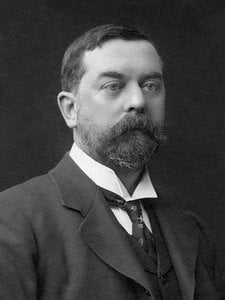
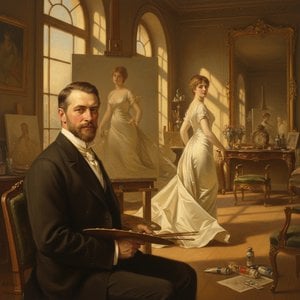
A Life Immersed in Light and Society
John Singer Sargent, meno známy ako “vedúci portrétista svojej doby”, bol americký umelec, ktorý väčšinu svojho života venoval rozvíjaniu svojho talentu v európskom umleckom svete. Narodil sa v roku 1856 v Taliansku, konkrétne vo Florencii, ako syn amerických emigrantov – Fitzwilliam Sargenta a Mary Newbold Sargenta. Jeho detstvo bolo nekonvenčné; rodina neustále putovala Francúzskom, Nemeckom, Talianskym a Švajčiarskom, čo mu poskytlo kozmopolitné vnímanie a skorý prístup k umeleckým pokladom Európy. Jeho vzdelávanie nebolo založené na formálnych školách, ale na návšteve múzeí a starobylých kostolov, čím sa vyvinulo jeho vizuálne vnímavosť, ktorá hlboko ovplyvnila jeho umelecké videnie. Toto putovateľské detstvo, aj keď chýbal tradičný štruktúra, poskytlo bohatú kultúrnu tapisériu, ktorá pohádala jeho talent. Jeho otec, chirurg, a matka, amatérska umelkyní, podporovali jeho záujmy, vnímajúc skoré rozvinutie jeho pozorovacích schopností. Už od malička bolo jasné, že jeho osud leží v oblasti umenia, nie medicíny ani konvenčných povolaniach.
Od Parížskej Ateliéra k Portrétistovi Majstra
V roku 1874, vo veku osemnástich rokov, sa Sargent pustil do zásadného kapitolu svojho umeleckého rozvoja tým, že vstúpil do dielne Carolusa-Durana v Paríži. Táto mentorovstvá bola transformačná. Duranova metóda *priamej maľby* – technika odmietajúca predbežné skice a zameriujúca sa na okamžitú aplikáciu farieb na plátno – zdokonalila Sargentovu už impozantnú technickú zručnosť a vložila do neho úžasnú schopnosť zachytávať podobnosti s rýchlosťou a presnosťou. Bol to revolučný prístup, ktorý povzbudzoval odvahu a spontánnosť, a stal sa základom Sargentového štýlu. Absolvoval Duranove lekcie s plnou vážnosťou, osvojil si umenie zachytávania nie len fyzickej podobnosti, ale aj podstaty svojich modelov. Paralelne sa hosťoval na École des Beaux-Arts, kde ďalej zlepšoval svoje zručnosti v kreslení z modelov a živých objektov. Avšak vplyv španielskeho majstra Diego Velázqueza, ktorého stretol počas cesty do Španielska v roku 1879, skutočne rozžiarlil Sargentovu umeleckú fantáziu. Bol fascinovaný Velázquezovou mistrovskou rukou pri zachytávaní svetla, štruktúry a psychologického hĺbku – vlastnosti, ktoré sa snažil napodobňovať v priebehu celej svojej kariéry.
Navigácia Slávou, Škvalom a Umenným Rozvojom
Sargent rýchlo získal postoj ako požiadavka na portrétistov v Paríži, čím priťiahol objednávky od spoločnosti najvyššej spoločnosti. Av však nebol bez výziev. Odhalenie *Madame X* (Portrét Madame Pierre Gautreau) na salóni v roku 1884 vyvolalo škandál, ktorý ohrozil jeho vzostup. Portréta provokatívna reprezentácia Virginie Amélie Avegno Gautreau – s jej bledou pleťou, sugestívnou pózou a spadnutým popruhom – bola považovaná za pobúravku parížskou spoločnosťou. Aj keď Sargent neskôr popruh opravil, škoda už bola spôsobená. Zdisponovaný z kontroverzie sa presťahoval do Londýna v roku 1886, kde našiel priaznivšiu verejnosť pre svoje talenty. V Londýne pokračoval v portrétovaní bohatých a vplyvných ľudí, zachytávajúc spoločenské dynamiky Edwardianskej éry s nevídanou zručnosťou. Napriek tomu sa Sargentove umelecké ambície rozširovali za hranice objednávkového portrétovania. Túžil po väčšej kreatívnej slobody a čoraz viac sa venoval krajinomaľbe a plein-air štúdiám, prijímajúc impresionistický štýl charakterizovaný voľnými štetcami, živými farbami a zameraním sa na zachytávanie mihotavých momentov svetla a atmosféry. Tieto krajinky odhaľujú inú stranu Sargenta – menej zaujatú o spoločenský status a viac zameranú na krásu prírodného sveta.
Posledné Dediece: Za Portrétmi
Aj keď bol oslávený ako “vedúci portrétista svojej doby”, Sargentovo umelecké dedenie presahuje jeho mistrovské diela v zobrazovaní spoločenských osobností. Jeho kľúčové diela, ako *El Jaleo*, dynamická reprezentácia španielskych flamenco tanečníkov, a *Carnation, Lily, Lily, Rose*, pokojné znázornenie dvoch mladších dievčat v anglickom záhrade, demonštrujú jeho všestrannosť a technickú zručnosť. Neskoršieho života sa Sargent venoval ambicióznym murovom projektom, vrátane monumentálneho cyklu v Bostonskej verejnovej knižnici, ktorý ukazoval jeho schopnosť prenášať svoje umelecké videnie na rozsiahle plochy. Jeho vplyv je viditeľný v práci neskorších generácií umelcov, ktorí obdivovali jeho technickú zručnosť, odvážny štítok a schopnosť zachytiť nielen fyzickú podobnosť, ale aj psychologický hĺbku. Jeho diela boli znovuobjavené v 80-tych rokoch, čo rozšírilo naše porozumenie Sargentovi ako umelcovi.
Vplyvy a Umenné Rodinnosti
- Carolus-Duran: Jeho učiteľ, ktorý mu vložil metódu priamej maľby a povzbudzoval spontánnosť.
- Diego Velázquez: Sargent hlboko obdivoval Velázquezovu mistrovskú rukou pri zachytávaní svetla, štruktúry a psychologického hĺbku, najmä v jeho španielskych dielach.
- Impressionizmus: Dôraz impresionistov na zachytávanie mihotavých momentov a atmosférických efektov zásadne ovplyvnil jeho krajinské diela, čo vedelo k voľnejšiemu, expresívnejšiemu štýlu.
- James Abbott McNeill Whistler: Sargent zdieľal s Whistlerom záujem o estetiku a dosiahnutie “umenia pre umenie” , ktorý ovplyvnil jeho prístup k kompozícii a farbe.



 Náhľad
 Prepnúť na tlač
 Odoslať
 Zdieľať
 Podrobnosti o dielo

 Stiahnuť
 Podobné diela
 RTG skúška
 Prezentácia
 Štatistiky


 Zobraziť viac






































 Možnosť skla je dostupná len pri rozmeroch pod 110 cm