BEZPLATNÉ UMENÍCKE PORADENSTVO

x
Kúpiť tlač Kúpiť tlačKúpiť digitálnu verziu Kúpiť digitálnu verziu OdoslaťOdoslať
DetailsDetails Pridať do obľúbených Pridať do obľúbených StiahnuťStiahnuť Podobné dielaPodobné diela X-RayX-Ray PrezentáciaPrezentácia

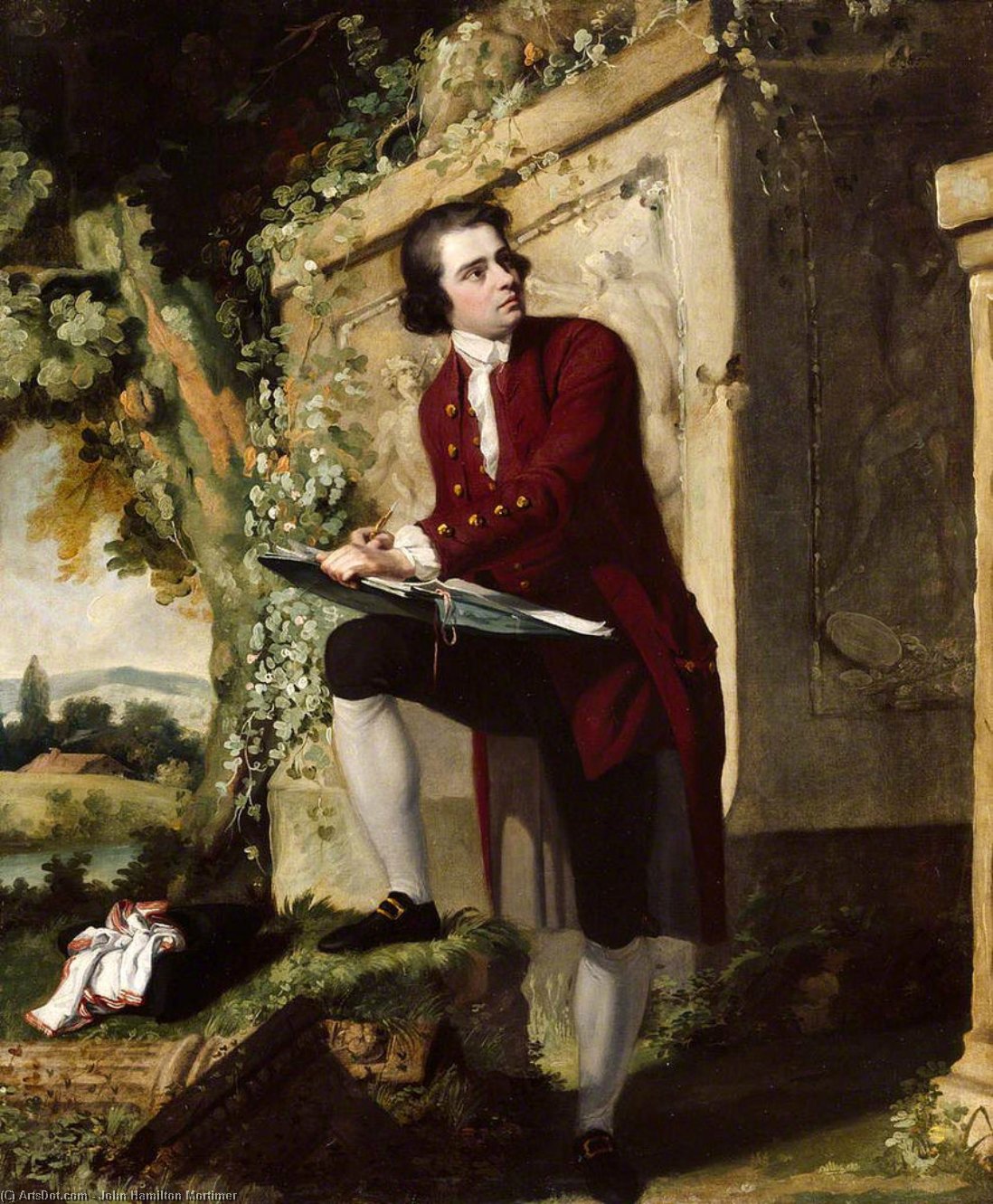
Self Portrait

John Hamilton Mortimer (1740–1779) bol britský maliar a rytár, ktorý získal uznanie za romantické talianske krajinky, dramatické vojenské obrazy ovplyvnené Salvatorem Rosom a historické maľby. Prezíditeľ spoločnosti umelcov.

Ručne maľovaná olejová reprodukcia

Ručne maľovaný olej na plátne vo vašej zvolenej veľkosti a v ráme, vyrobený na mieru našimi umelcami.

Standard
custom
CM
INCH

Vyberte si z našich preddefinovaných rozmerov, ktoré zodpovedajú pôvodným pomeroḿ diela.

šírka
výška

Môžete zadať vlastné rozmery tak, aby sa hodili do konkrétneho rámu alebo priestoru. Ak sa váš zvolený rozmer nezhoduje s pôvodnými proporciami obrazu, dielo buď orezáme, alebo ho doplníme ručne maľovanými prvkami. Pred začiatkom výroby vám zašleme digitálny náhľad na schválenie.
Upozorňujeme, že ukážka na obrazovke neodráža skutočné orezanie alebo doplnenie. Skutočnú finálnu kompozíciu zobrazuje iba digitálny náhľad.
Hoci sú k dispozícii vlastné rozmery, odporúčame vybrať rozmer z preddefinovaného zoznamu, aby sme zachovali pôvodné proporcie.

Príklady možných zmien: nahradiť tvár fotografiou zákazníka; pridať domáce zviera (napr. nahradiť mačku psom); vložiť skryté posolstvo do pozadia; zmeniť krajinu alebo prvky pozadia.
Po odoslaní objednávky vám tím WahooArt.com pošle e-mail s pokynmi a poskytne náhľad na návrh.

Celosvetová doprava () za 3 až 4 týždne namiesto štandardných 5 týždňov. (2 júl). Bez kompromisov v kvalite.

why_choose_icon
Bezplatná expresná doprava po celom svete
why_choose_icon
Prémiové lnianske plátno
why_choose_icon
Kompletné poistenie prepravy
why_choose_icon
Záruka vrátenia colného poplatku
why_choose_icon
Záruka presného farebného zhodnutia
why_choose_icon
60-dňá politika vrátenia (iba pri defektoch)
why_choose_icon
100% záruka vrátenia peňazí
why_choose_icon
Výhodná množstevná zľava

Celková cena

-

reproduction

Self Portrait

Technika reprodukcie

Veľkosť reprodukcie

-

Celková cena za vybrané možnosti

-


Biografia umelca

John Hamilton Mortimer (1740–1779): Bridging Romanticism and Bold Vision

John Hamilton Mortimer, a name perhaps less instantly recognizable than his contemporaries Reynolds or Wright of Derby, nevertheless occupies a significant and fascinating niche within the landscape of 18th-century British art. Born in Eastbourne in 1740, Mortimer’s brief but intensely productive life—he died at just thirty-nine years old—was marked by artistic ambition, a restless spirit, and an evolving style that mirrored the shifting tastes of his era. His father, Thomas Mortimer, a customs officer with mercantile interests, provided a stable if unremarkable background for a young man destined to pursue a path steeped in creativity. By 1757, Mortimer had already gravitated towards London, enrolling at the Duke of Richmond’s Academy, where he forged a lifelong friendship with Joseph Wright, a bond that would prove mutually supportive throughout their careers. This early immersion into the artistic milieu fostered not only technical skill but also an awareness of the burgeoning intellectual currents shaping British art. He studied alongside other promising talents like Thomas Jones and William Pars at St Martin’s Lane Academy, further honing his abilities under the tutelage of masters such as Cipriani, Robert Edge Pine, and Sir Joshua Reynolds himself. ### Early Influences and Artistic Training Mortimer's formative years were characterized by a dedication to classical principles, instilled during his studies at Richmond’s Academy. He demonstrated an exceptional aptitude for drawing and painting from life, mastering techniques that would serve as the bedrock of his subsequent artistic endeavors. The influence of Michelangelo—particularly *The Creation of Adam*—was palpable in his early works, reflecting a desire to emulate the grandeur and dramatic composition of Renaissance masters. Simultaneously, he absorbed the stylistic nuances of British landscape painters like George Stubbs, recognizing the importance of capturing atmospheric perspective and conveying the dynamism of natural environments. This dual engagement with classical and topographical traditions established Mortimer as an artist acutely attuned to both aesthetic ideals and observational realities. ### The Rise of Romanticism: Embracing Bold Narrative A pivotal moment in Mortimer’s artistic trajectory arrived in 1759 when he secured a prestigious prize for his study after Michelangelo's *Bacchus* and another for a life drawing—a triumph that signaled the burgeoning recognition of his talent within London’s artistic circles. He quickly gained acclaim for his historical paintings, notably *St Paul Preaching to the Ancient Druids in Britain*, which remains housed in the Guildhall at High Wycombe. These works showcased Mortimer's ability to distill complex narratives into visually arresting images, capturing pivotal moments of religious fervor and demonstrating a masterful command of theatrical lighting and dramatic staging. This commitment to storytelling—a hallmark of Romanticism—would define his artistic output for years to come. ### Collaborations and Artistic Leadership: Shaping the Landscape of British Art Mortimer’s professional life was marked by active engagement in collaborative projects, bolstering his reputation as a respected artist and fostering intellectual exchange within the art world. He frequently contributed figure work to compositions by others, most notably assisting Thomas Jones on ambitious canvases like *A Land Storm, with the Story of Dido and Aeneas*, *The Death of Orpheus*, and a pair of paintings inspired by Milton’s *Allegro* and *Penseroso*. These collaborations underscored his versatility and willingness to contribute his skills to larger artistic endeavors. Furthermore, he ascended to the presidency of the Society of Artists in 1774—a position that afforded him considerable influence and cemented his standing as a leader within the British art community. This role allowed him to champion innovative approaches to painting and sculpture, shaping the direction of artistic discourse during a period of transformative change. ### A Legacy Defined by Dramatic Landscapes and Bold Expression Mortimer’s final years witnessed a stylistic shift toward more masculine and emotionally charged subjects—particularly landscapes populated by bandits and soldiers—a deliberate homage to Salvator Rosa, whose dramatic depictions of wilderness captivated Mortimer's imagination. His paintings—characterized by their expressive brushwork, dynamic compositions, and exploration of themes ranging from heroism to criminality—offer a compelling glimpse into the artistic sensibilities of his time. Though he faced criticism during his lifetime regarding his stylistic choices, Mortimer’s enduring legacy rests on his pioneering contribution to British Romanticism, securing him a place among the most distinctive artists of the era. His works continue to inspire admiration for their boldness and emotional intensity, ensuring that John Hamilton Mortimer's artistic vision persists as a testament to the transformative power of art.
John Hamilton Mortimer

John Hamilton Mortimer

1740 - 1779 , Spojené království

Základné informácie

  • Artistic Movement Or Style: Romantizmus
  • Artists Or Movements Influenced By This Artist: ['Romantizmus']
  • Artists Who Influenced This Artist:
    • Salvator Rosa
    • Joseph Wright
  • Date Of Birth: 17 Septembra 1740
  • Date Of Death: 4 Februára 1779
  • Full Name: John Hamilton Mortimer
  • Nationality: Británsky
  • Notable Artworks:
    • St Paul Preaching to the Ancient Druids in Britain
    • Sir Arthegal
  • Place Of Birth: Eastbourne, Veľká Británia