John Constable’s Stonehenge: A Symphony of Light and Landscape
John Constable, Narodenie v roku 1776 v idylickej šľachtickej obci East Bergholt, bol viac ako len obrazár krajiny; bol básnikom zemí, ktorý prekladal jej jemné nálady a trvalú krásu na plátno s nezvyčajnou emocionálnou hĺbkou. Jeho otec, úspešný obchodník s obiliečím, ktorý vlastnil Dedham Vale a mlyny pri rieke Stour, poskytoval nie len finančné zabezpečenie, ale aj samotné témy, ktoré budú definovať Constableovu umelecké životopisné cestu. Táto skorá ponorka do vidieckého sveta – pomalé tempo poľnohospodárskeho života, nezmeniteľný svetlo na poliach a vodách, intima zážitok z prírody – sa stal neoddeliteľnou súčasťou jeho citovej sensibilidady. Hoci bol prvý pôvodne vedený svojím otcom do obchodu, rozvírajúci sa záujem o umenie, podporený miestnymi patrónmi ako George Beaumont, ktorý ho predstavil tvorbe Claude Lorraina, nakoniec ho odviedol inú cestu. Jeho umelecká cesta nebyla okamžitá; bola to postupná…
The Painting's Subject Matter and Composition
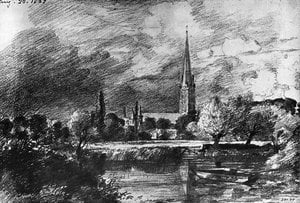
Constable’s “Stonehenge” isn’t merely a depiction of the iconic prehistoric monument; it’s an attempt to capture its essence – its profound connection to the natural world. The painting portrays Stonehenge as viewed from a hillside overlooking Salisbury Plain, emphasizing the monumental stones against the expansive sky. Constable skillfully arranges these rocks in the foreground, utilizing their varying sizes and positions to create visual dynamism. Two figures are subtly integrated into the scene, adding human scale and hinting at contemplation amidst the grandeur of ancient history. This careful composition underscores the artist’s ambition to convey not just what Stonehenge looked like but also how it felt to experience its presence.
Watercolor Technique: Constable's Impressionistic Vision
Constable employed watercolor technique, a medium particularly adept at capturing atmospheric effects and subtle tonal variations. Unlike oil paint, watercolor relies on translucent pigments that blend seamlessly together, allowing for an ethereal quality that perfectly reflects the misty conditions prevalent during his time. The artist meticulously layered washes of color to build up depth and luminosity, achieving remarkable realism despite the apparent simplicity of the medium. This technique is characteristic of Constable’s broader artistic style – Impressionism predates its formal recognition – where capturing fleeting moments of light and color takes precedence over precise detail.
Historical Context: Stonehenge and Romantic Landscape Painting
“Stonehenge” emerged during the Romantic era, a period marked by an intense fascination with nature and emotion. Artists like Constable sought to express their awe at the sublime beauty of the landscape, mirroring the philosophical currents of the time that championed imagination and intuition over rational observation. The monument itself held symbolic significance for Romantics – representing enduring human history, spirituality, and connection to the cosmos. Constable’s painting serves as a testament to this artistic movement's preoccupation with capturing the grandeur and mystery of the natural world.
Emotional Impact: A Feeling of Tranquility and Wonder
Ultimately, Constable’s “Stonehenge” succeeds in evoking a powerful emotional response. The muted palette – dominated by blues and greens – contributes to a sense of serenity and contemplation. However, the dramatic interplay of light and shadow highlights the monument's imposing presence, stirring feelings of wonder and reverence. It is precisely this balance between tranquility and grandeur that distinguishes Constable’s masterpiece and cements its place as an enduring symbol of Romantic landscape painting—a timeless reminder of humanity’s relationship with the sublime beauty of the English countryside.
Otázky a odpovede
Umožňuje autorské právo k dielu „Stonehenge“ od John Constable jeho reprodukovanie?
Dielo „Stonehenge“ od John Constable, ktoré sa nachádza v múzeu Victoria and Albert Museum, je v v verejnom vlastníctve – autorské práva vypršali. Tento stav určuje, či je možné vytvárať reprodukcie tohto obrazu.
Aký je formát a veľkosť diela „Stonehenge“?
Formát diela „Stonehenge“ je Landscape a originál meria 387 x 591 cm. Obe informácie sú užitočné pri plánovaní reprodukcie.
Z akého materiálu je vyrobené dielo „Stonehenge“ a v akom je štýle?
V diele „Stonehenge“ sa spája technika Akryl na plátne s movementom Romantic Landscape Painting.
Akú atmosféru prináša „Stonehenge“ od John Constable do interiéru?
Dramatické atmosféra diela „Stonehenge“ od John Constable dokonale ladí s jeho odporúčaným priestorom: Denná miestnosť.
Môžem si "Stonehenge" pozrieť podrobnejšie?
X-ray pohľad na dielo „Stonehenge“ od John Constable nájdete na stránke RTG skenovanie pre dané dielo: ide o interaktívne skúmanie obrazu prostredníctvom jedenástich optických vrstiev.
Ako si môžem pozrieť „Stonehenge“ od John Constable ako prezentáciu?
Diaporama diela „Stonehenge“ si môžete pozrieť na stránke Diaporama daného diela.
Ktorý umvec a ktorý štýl stoja za dielom „Stonehenge“?
John Constable vytvoril/a „Stonehenge“ v rámci smeru Romantic Landscape Painting.
Akú farebnú harmóniu predstavuje „Stonehenge“ od John Constable?
Farby diela „Stonehenge“ od John Constable vykazujú Softly Mixed Palette harmóniu. Harmónia popisuje vzájomný vzťah medzi farbami.



 Zobraziť v interiéri
 Prepnúť na tlač
 Odoslať
 Zdieľať
 Podrobnosti
 Príručka

 Stiahnuť
 Podobné položky
 RTG skúška
 Prehliadanie diapo\]
 Štatistiky


 Prečítať si viac






































 Možnosť skla je dostupná len pri rozmeroch pod 110 cm