


Giclée tlač alebo plátno múzeálnej kvality s rýchlou výrobou a rôznymi možnosťami povrchovej úpravy. ( Kúpiť ručne maľovaný obraz Prepnúť na digitálny obraz)





























Vyberte si z našich preddefinovaných rozmerov, ktoré zodpovedajú pôvodným pomeroḿ diela.

Zadajte šírku a výšku, ktoré potrebujete, aby sa reprodukcia hodila k vášmu rámu alebo stene. Print možno len orezávať, nikdy však nemennú veľkosť zvětšiť oproti pôvodnému obrázku, preto pri inom formáte stráca časť obrazu. Pred samotným vytlačiacím procesom vám pošleme digitálny náhľad na schválenie. Obrázok zobrazený na tejto stránke nezobrazuje reálny rez — len digitálny náhľad ukazuje presný výsledok.
Celosvetová doprava () do 2 týždňov namiesto štandardných 4 až 5 týždňov. (9 november)
Peasants Dancing
Veľkosť reprodukcie
In the heart of the seventeenth century, amidst the bustling energy of the Dutch Golden Age, Johannes Lingelbach captured a moment of pure, unadulterated human connection. His masterpiece, "Peasants Dancing," is far more than a mere depiction of rural festivities; it is a vibrant window into a world where life was celebrated through movement, community, and the simple pleasures of existence. Painted in 1651, this work serves as a breathtaking testament to the artist's ability to weave together the dramatic tension of the Italian Baroque with the grounded, observational realism characteristic of the Dutch tradition. As one gazes upon the canvas, the viewer is immediately swept into a rustic landscape where the air seems to hum with the sound of laughter and the rhythmic thud of dancing feet.
The composition is anchored by a magnificent, ancient tree that rises prominently in the foreground, its textured bark and sprawling branches acting as a natural canopy for the revelry below. This arboreal sentinel does more than provide structure; it symbolizes the enduring strength of nature and the cyclical rhythms of life that mirror the seasonal celebrations of the peasantry. Around this central figure, a group of villagers is gathered, their bodies caught in mid-motion, draped in traditional attire of warm earth tones—ochres, deep browns, and muted greens—that allow them to blend harmoniously with the sun-dappled landscape. The presence of a horse and a distant building adds layers of depth and narrative, suggesting a larger, living world that extends far beyond the edges of the frame.
Lingelbach’s technical prowess is nowhere more evident than in his sophisticated use of chiaroscuro. Drawing inspiration from the dramatic light-and-shadow techniques pioneered by Caravaggio, he illuminates the scene with a warm, golden glow that feels as though it is emanating from within the canvas itself. This light does not merely reveal the subjects; it sculpts them, highlighting the delicate folds in a peasant's sleeve, the rugged texture of the tree bark, and the expressive, joyful contours of their faces. The interplay between light and shadow creates a profound sense of three-dimensionality, pulling the viewer into the very center of the dance.
For the discerning collector or interior designer, this painting offers an unparalleled emotional resonance. It possesses a rare ability to breathe warmth and vitality into any space, acting as a focal point that invites contemplation and conversation. The meticulous detail—from the subtle nuances of human psychology in the peasants' expressions to the atmospheric depth of the background—ensures that the piece remains captivating upon every viewing. To possess a reproduction of "Peasants Dancing" is to bring a piece of history into the modern home, offering an enduring sense of nostalgia, warmth, and the timeless beauty of the human spirit in celebration.
Dominantnou farbou diela „Peasants Dancing“ od Johannes Lingelbach je Espresso (#4c3931).
„Peasants Dancing“ sa odporúča pre Accent, ideálnym priestorom je však Living Room.
Dielo „Peasants Dancing“ vzniklo v roku 1651 v rámci smeru Baroque.


1622 - 1674 , Nemecko

Objavte top 10 majstrovských diel holandskej baroka s WahooArt! Rembrandt, Vermeer a ďalší. Prežite príbehy umenia, techniky a farieb. Reprodukcie obrazov pre váš domov – Explore the full collection online.

Explore the dramatic mastery of the Dutch Baroque era. Discover how masters like Rembrandt used chiaroscuro to transform everyday life into timeless art. An expert guide for collectors and enthusiasts seeking to understand the profound interplay of light and shadow.

Explore the Dutch Golden Age of painting! Discover key artists like Vermeer & ter Borch, their innovative techniques, and the rich cultural context behind these Baroque masterpieces. Learn about collecting & appreciating this iconic art period.

Ponorte sa do sveta holandskej Zlatej éry s WahooArt.com! Objavte príbehy Rembrandta, Vermeera a ďalších majstrov baroka. Reprodukcie obrazov pre váš domov – inšpirujte sa nadčasnými dielami. Preskúmajte kolekciu online!
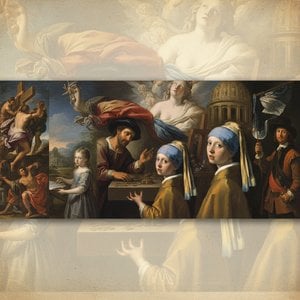
Ponorte sa do sveta baroka! Objavte top 10 majstrovských diel od Caravaggia, Rembrandta a ďalších slávnych maliarov. Reprodukcie obrazov pre luxusný dekor vášho domova na WahooArt.com.
 Náhľad v interiéri
 Odoslať ako digitálnu kartu
 Zdieľať
 Podrobnosti o dielo
 Príručka

 Stiahnuť obraz
 Podobné položky
 RTG skúška
 Prehliadanie diapozoje
 Otázky a odpovede
 Štatistiky


 Zobraziť viac









 Možnosť skla je dostupná len pri rozmeroch pod 110 cm


