Náhľad AR náhľad Kúpiť ručne maľovaný obraz Prepnúť na digitálny obraz Odoslať
Podrobnosti o dielo Pridať do obľúbených Stiahnuť Podobné diela RTG skúška Prezentácia Štatistiky

Mujer y pájaro 1

Vibrant Joan Miró’s ‘Mujer y pájaro 1’ captures a captivating scene of a woman and bird, showcasing the artist's surrealist style from the 20th century. Explore this dreamlike artwork and bring its unique beauty into your space.

Objavte svet Joan Miró! Pozrite si surrealistické abstraktné maľby, katalánsku symboliku a hravé tvary. Pionier modernej umeleckej tvorby – reprodukcie dostupné na WahooArt!

Giclée / Umenotlač

Giclée tlač alebo plátno múzeálnej kvality s rýchlou výrobou a flexibilnými možnosťami povrchovej úpravy. ( Kúpiť ručne maľovaný obraz Prepnúť na digitálny obraz)

P118B $10
P118H $10
P118W $10
P438Z $10
P508JH $12
P508YH $12
P805H $10
P805Z $10
P919BZ $10
P919G $10
P919XJ $10
P959ZH $10
P968JZ $12
W106C $8
W218G $10
W218JH $8
W218Y $10
W307PJ $10
W316G $10
W316PJ $8
W316Y $10
W398PJ $8
W4111J $10
W500HY $15
W500JH $15
W692G $12
W849H $8
W940BG $15
W953PJ $8

Štandardné
na mieru
CM
INCH

Vyberte si z našich preddefinovaných rozmerov, ktoré zodpovedajú pôvodným pomeroḿ diela.

šírka
výška

Môžete zadať vlastné rozmery, aby sa reprodukcia prispôsobila konkrétnemu rámu alebo priestoru. Ak zvolená veľkosť nebude zodpovedať proporciám originálu, dielo buď orežeme, alebo obraz rozšírime pomocou zrkadlenia či farebného doplnenia okrajov. Pred začatím výroby vám pošleme digitálnu ukážku na schválenie.
Máte na vedomí, že náhľad na obrazovke neodzrkadľuje skutočné orezanie alebo rozšírenie. Len digitálna ukážka presne zobrazí finálnu kompozíciu.
Hoci sú k dispozícii vlastné rozmery, pre zachovanie pôvodných proporcií odporúčame vybrať si rozmer z vopred definovaného zoznamu.

Celosvetová doprava () do 2 týždňov namiesto štandardných 4/5 týždňov. (17 september)

why_choose_icon
Bezplatná expresná doprava po celom svete
why_choose_icon
Prémiové lnianske plátno
why_choose_icon
Kompletné poistenie prepravy
why_choose_icon
Záruka vrátenia colného poplatku
why_choose_icon
Záruka presného farebného zhodnutia
why_choose_icon
100-dená politika vrátenia tovaru (iba pri vadách)
why_choose_icon
100% záruka vrátenia peňazí
why_choose_icon
Výhodná množstevná zľava

Celková cena

$ 68

reproduction

Mujer y pájaro 1

Giclée / Umenotlač

Veľkosť reprodukcie

-

Celková cena za vybrané možnosti

$ 68

Základné informácie

  • Artistic style: Abstract Expressionism
  • Subject or theme: Symbolic representation
  • Location: Fundació Joan Miró, Barcelona
  • Influences: Gaudí
  • Artist: Joan Miró
  • Title: Mujer y pájaro 1

Kvíz o umení

Pri každej otázke je iba jedna správna odpoveď.

Otázka 1:
What artistic movement is Joan Miró primarily associated with?
Otázka 2:
The sculpture ‘Mujer y pájaro’ was created in what year?
Otázka 3:
What material is Dona i Ocell primarily composed of?
Otázka 4:
Joan Miró’s sculpture ‘Mujer y pájaro’ was located in:
Otázka 5:
What is the symbolic significance of the bird in Miró's sculpture?

A Poetic Dialogue: Joan Miró’s “Mujer y Pájaro 1”

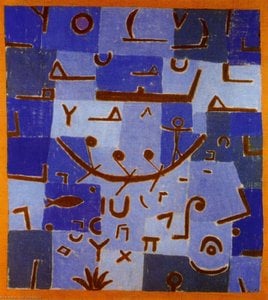
Joan Miró's "Mujer y Pájaro 1" is more than just a depiction of a woman and a bird; it’s an immersion into the vibrant, dreamlike world of one of the 20th century’s most influential artists. Painted in Barcelona during his prolific career – roughly between 1930-1940 - this artwork embodies Miró's signature style: a captivating blend of abstraction and recognizable imagery, rooted deeply in Catalan folklore and personal symbolism. The painting immediately draws the eye with its bold color palette—a joyous explosion of reds, blues, yellows, and whites – colors that evoke both the warmth of the Mediterranean sun and the cool depths of the subconscious. The woman, rendered with simplified forms and a sense of serene contemplation, appears to be engaged in an intimate exchange with the bird perched delicately on her shoulder. This interaction isn’t literal; it's a projection of emotion, a visual representation of the artist’s fascination with the connection between humanity and nature.

  • Subject Matter: The central figures – woman and bird – represent fundamental themes in Miró’s work: fertility, freedom, and the cyclical rhythms of life.
  • Style: This piece exemplifies Miró's mature style, moving further away from overtly representational forms towards a more purely abstract expression of feeling and intuition.

Technique and Materials – A Masterful Approach

Miró’s technique in “Mujer y Pájaro 1” is characterized by its layered approach. He began with an underpainting, often using tempera or oil, which was then built upon with thin washes of color applied through a process he termed ‘grattage’. This involved scraping away layers of paint to reveal the underlying tones and create textured surfaces – a technique that adds significant depth and dynamism to the composition. The use of collage elements, incorporating fragments of paper and other materials, further enhances this textural richness. The artist’s meticulous attention to detail is evident in the precise placement of each element, contributing to the overall sense of balance and harmony. He employed a palette knife extensively, creating bold strokes and expressive marks that contribute significantly to the painting's energetic feel.

Symbolism and Context – Echoes of Catalonia

The symbolism within “Mujer y Pájaro 1” is rich and layered, deeply rooted in Catalan tradition. The bird, a frequent motif in Miró’s work, represents freedom, spirituality, and the connection to the natural world. Its placement on the woman's shoulder suggests protection and nurturing. The woman herself embodies fertility and grace, echoing ancient matriarchal figures within Catalan culture. Furthermore, the painting reflects the broader artistic context of the time – the rise of Surrealism, which embraced the power of dreams and the subconscious mind. Miró’s work aligns with this movement while retaining his unique, deeply personal vision. The influence of Antoni Gaudí's organic architectural forms is subtly present in the flowing lines and biomorphic shapes that characterize the entire composition.

Emotional Impact – A Window to the Soul

"Mujer y Pájaro 1" possesses a profound emotional impact, inviting viewers into a realm of quiet contemplation. The painting’s vibrant colors and dynamic brushwork evoke a sense of joy, wonder, and perhaps even melancholy. It's a piece that speaks to our innate desire for connection – with nature, with ourselves, and with the mysteries of existence. This artwork is not merely a beautiful image; it’s an invitation to engage in a dialogue with the artist’s soul, a testament to Miró’s ability to translate his innermost thoughts and feelings into a visual language that continues to resonate with audiences today.


Biografia umelca

A Catalan Visionary: The Life and Art of Joan Miró

Joan Miró i Ferrà, born in Barcelona in 1893, stands as one of the most significant figures in 20th-century art. His journey was not merely a progression through styles but an exploration of inner worlds, translating dreams, memories, and Catalan identity onto canvas with a uniquely poetic visual language. From humble beginnings marked by illness and initial parental reservations about his artistic pursuits, Miró persevered, driven by an innate need to express the intangible—the emotions, sensations, and subconscious currents that lie beneath the surface of reality. His early life was steeped in the traditions of Barcelona, a city brimming with architectural marvels thanks to Antoni Gaudí, whose organic forms would subtly influence Miró’s later abstractions. The goldsmithing profession of his father instilled an appreciation for meticulous craftsmanship, while the rugged Catalan landscape became a recurring motif and source of inspiration throughout his career.

Early Influences and the Path to Surrealism

Miró's formal artistic training began at La Llotja in Barcelona, where he honed his skills in traditional techniques. However, it was exposure to the avant-garde movements sweeping through Paris that truly ignited his creative evolution. The vibrant colors of Fauvism and the fragmented forms of Cubism resonated deeply, prompting him to move to Paris in 1920. This period proved pivotal as he encountered artists like Pablo Picasso and began experimenting with increasingly abstract compositions. Yet, Miró didn’t simply adopt these styles; he synthesized them, forging a path toward his own distinctive aesthetic. He sought to distill forms to their essence, stripping away representational details in favor of symbolic shapes and evocative colors. This exploration led him to the Surrealist group in 1924, aligning him with artists such as Max Ernst and Salvador Dalí. While embracing the Surrealist interest in the subconscious, Miró maintained a unique sensibility—his work was less about shocking imagery or Freudian symbolism than it was about creating a world of playful forms and poetic suggestion.

The Language of Symbols: Key Works and Artistic Innovations

Throughout the 1920s and 30s, Miró developed his signature visual vocabulary—a universe populated by biomorphic shapes, floating forms, and vibrant colors. The Farm (1922), often considered a cornerstone of his oeuvre, exemplifies this transition. It’s not merely a depiction of rural life but an evocation of Catalan identity and a symbolic representation of the natural world. His collaborative spirit led to innovative techniques like *grattage*, pioneered with Max Ernst in 1926 for designs intended for Sergei Diaghilev's ballet, where textures were revealed by scraping paint across canvas. The Dutch Interiors (1928) series demonstrated his ability to reinterpret the Old Masters through a distinctly modern lens, transforming domestic scenes into dreamlike abstractions. Painting (1933), with its bold colors and simplified forms, encapsulates Miró’s exploration of the subconscious and his rejection of conventional artistic boundaries. Beyond painting, Miró fearlessly experimented with sculpture, ceramics, and printmaking, expanding his creative horizons and demonstrating a remarkable versatility.

Legacy and Enduring Influence

Joan Miró's impact on 20th-century art is undeniable. He wasn’t simply a painter; he was a visionary who challenged the very definition of artistic expression. His work paved the way for abstract expressionism and continues to inspire artists across disciplines. He established two foundations—the Fundació Joan Miró in Barcelona (1975) and the Fundació Pilar i Joan Miró in Palma de Mallorca (1981)—ensuring that his legacy would endure, providing spaces for artistic exploration and education. Throughout his long career, he remained committed to pushing boundaries, questioning conventions, and exploring the depths of human imagination. Miró’s art is a testament to the power of abstraction, symbolism, and poetic expression—a vibrant celebration of life, dreams, and the enduring spirit of Catalan culture. His work continues to resonate with audiences worldwide, inviting us to enter a world where anything is possible and the boundaries between reality and fantasy blur into a captivating dance of color and form.
Joan Miró

Joan Miró

1893 - 1983 , Španielsko

Základné informácie

  • Artistic Movement Or Style: Surrealizmus, Abstrakčná tvorba
  • Artists Who Influenced This Artist:
    • Pablo Picasso
    • Salvador Dalí
  • Date Of Birth: 20 Apr 1893
  • Date Of Death: 25 Dec 1983
  • Full Name: Joan Miró i Ferrà
  • Nationality: Španielsko
  • Notable Artworks:
    • The Farm
    • Dutch Interiors
    • Painting
  • Place Of Birth: Barcelona, Španielsko
Preskúmajte umelecká diela usporiadané podľa tém, štýlov a charakteristík.