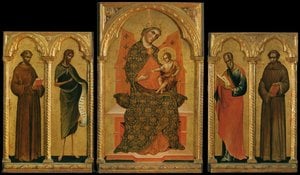
Kúpte si digitálnu snímku vo vysokom rozlíšení s vylepšenými detailmi, ktorá je oveľa kvalitnejšia než online náhľad.
Každý súbor starostlivo pripravujú naši interní špecialisti pomocou pokročilých nástrojov a odborného manuálneho retušovania. Zabezpečujeme, aby každý obrázok disponoval výnimočnou čistotou, presnou farebnou vernosťou a jemnými detailmi.
Konečný súbor vám bude doručený e-mailom do 72 hodín, optimalizovaný pre okamžité použitie v profesionálnom, redakčnom aj tlačovom prostredí. Ide o rovnakú kvalitu, ktorej dôverajú špičkové dizajnérske štúdiá, vydavateľstvá a galérie.
Stiahnite si vysokorozlíšený súbor na osobné zobrazovanie, tlačenie a kreatívne projekty. ( Kúpiť tlač Kúpiť ručne maľovaný obraz)
Keď si vyberiete WahooArt.com, nedostávate len obrázok – získate profesionálne upravené digitálne umenie, vytvorené s precíznosťou a so zárukou vašej maximálnej spokojnosti. Tu je všetko, čo je súčasťou vašej objednávky automaticky:

Vaša vysokorozlíšená digitálna súprava obrázkov vám bude zaslaná e-mailom do 72 hodín od objednávky – pripravená na okamžité použitie.

Vaše dielo je profesionálne optimalizované pomocou pokročilých nástrojov umelej inteligencie a manuálnej editácie, čo zaručuje maximálnu úroveň detailov, čistotu a presnosť farieb.

Náhodou ste zmazali alebo ste stratili svoj súbor? Nebavžte sa – pošleme vám ho kedykoľvek znova, úplne bez poplatkov.

Užite si svoje umelodelo okamžite bez colných poplatkov, daní alebo nákladov na dopravu – digitálne stiahnutia sú vždy oslobodené od dane.

Pomocou profesionálnych nástrojov a farebného manažmentu zabezpečujeme, aby vaša digitálna fotografia čo najpresnejšie odrážala pôvodné farby.

Ak nebudete spokojní so svojou digitálnou fotografiou, upravíme ju alebo vám vrátime 100% v priebehu 100 dní – bez zbytočných otázok.

Nie ste spokojní? Získajte plnú náhradu peňazí do 100 dní od prijatia vášho digitálneho súboru – bez zbytočných otázok.

Kúpte si 3 obrazy, ušetrite 10% - Kúpte si 5, ušetrite 15% - Kúpte si 10+, ušetrite 20%. Ideálne pre kreatívne projekty, galérie a agentúry.

To step into the world of Joan Mates is to enter a period of profound spiritual intensity and burgeoning artistic curiosity. Born around 1370 in Vilafranca del Penedès, Spain, Mates emerged during a transformative era for Catalan art—a time when the rigid structures of the Gothic tradition began to breathe with the nascent naturalism of the early Renaissance. While much of his personal history remains shrouded in the mists of the fourteenth century, his artistic legacy is vividly preserved through works that pulse with a quiet, devotional power. His career was not merely a local phenomenon; it was part of an expanding European network, evidenced by his workshop's ability to produce altarpie and commissions that reached as far as Scotland and various regions across Aragon.
The foundations of Mates’s style were likely laid within the prestigious Catalan Gothic tradition. It is widely believed that he absorbed the techniques of masters such as Pere Serra, whose influential workshop set the standard for monumental altarpieces in the region. This early training instilled in him a reverence for clarity of form and theological precision, yet Mates possessed a unique ability to transcend mere imitation. He became an expressive painter, one who utilized sharp contrasts of line to achieve a striking intensity of effect. Rather than becoming lost in complex architectural settings, Mates focused his creative energy on the human figure, imbuing his subjects with a refined elegance that suggests the delicate influence of Franco-Flemish manuscript illumination.
The breadth of Mates’s achievements is best understood through his significant commissions for the great cathedrals and chapels of Catalonia. His ability to complete monumental tasks, such as finishing the retable of Saints Thomas and Anthony for the Barcelona Cathedral in 1409—a project left incomplete by Pere Serra—demonstrates both his technical skill and his standing within the professional guild system. His oeuvre is a tapestry of sacred narratives, ranging from the deeply personal to the grandly liturgical:
Ultimately, the historical significance of Joan Mates lies in his role as a transitional figure. He did not simply exist within the Gothic era; he helped navigate its evolution toward the Renaissance. By prioritizing the emotional resonance of the human figure and integrating international influences from the Flemish tradition, he helped craft a visual language that was both deeply rooted in Catalan identity and vibrantly connected to the broader currents of European art history. His works remain enduring testaments to a period when art served as the primary bridge between the mortal soul and the divine.

1370 - 1431 , Spain

 Náhľad
 Odoslať
 Zdieľať
 Podrobnosti o dielo

 Stiahnuť
 Podobné diela
 RTG skúška
 Prezentácia
 Zobraziť viac