


 Olej na plátneWallArtBaroque
 1437Renesancia
 49.0 x 65.0 cm
 Städel Museum
Ručne maľovaný olej na plátne vo vašej zvolenej veľkosti a v ráme, vyrobený na mieru našimi umelcami. ( Kúpiť tlač Kúpiť obrázok)





























Vyberte si z našich preddefinovaných rozmerov, ktoré zodpovedajú pôvodným pomeroḿ diela.

Môžete zadať vlastné rozmery tak, aby sa hodili do konkrétneho rámu alebo priestoru. Ak sa váš zvolený rozmer nezhoduje s pôvodnými proporciami obrazu, dielo buď orezáme, alebo ho doplníme ručne maľovanými prvkami. Pred začiatkom výroby vám zašleme digitálny náhľad na schválenie.
Upozorňujeme, že ukážka na obrazovke neodráža skutočné orezanie alebo doplnenie. Skutočnú finálnu kompozíciu zobrazuje iba digitálny náhľad.
Hoci sú k dispozícii vlastné rozmery, odporúčame vybrať rozmer z preddefinovaného zoznamu, aby sme zachovali pôvodné proporcie.
Celosvetová doprava () za 3 až 4 týždne namiesto štandardných 5 týždňov. (6 september). Bez kompromisov v kvalite.


Lucca Madonna
Veľkosť reprodukcie
Jan van Eyck's Lucca Madonna, painted in 1437, transcends mere depiction; it embodies a profound encounter with the divine. More than six centuries after its creation, this diminutive panel continues to mesmerize viewers—a testament not only to Van Eyck’s unparalleled mastery of oil paint but also to his astute understanding of symbolism and his ability to evoke an atmosphere of serene contemplation. Housed within the Städel Museum in Frankfurt, the Madonna invites us into a meticulously crafted microcosm of Early Netherlandish art, urging us to linger over its subtle nuances.
Immediately striking is the luminescence emanating from the canvas—a revolutionary achievement born from Van Eyck’s pioneering use of oil pigment. Unlike the tempera mediums favored by his predecessors, oil allowed for an unprecedented level of tonal gradation and textural richness. Each delicate fold in Mary’s crimson gown, each shimmering facet of light reflecting off Christ’s infant face—every element is rendered with astonishing precision, creating an illusion of palpable reality that defies conventional artistic conventions.
The composition itself speaks volumes about theological aspiration. Mary isn't merely seated; she occupies a throne—not one of earthly dominion but a symbolic representation of Solomon’s throne, adorned with twelve bronze lion statues crafted from brass. This deliberate reference to biblical precedent elevates Mary’s status, anchoring her within the tradition of royal sanctity and reinforcing her role as Queen of Heaven. The positioning of the figures contributes significantly to this sense of grandeur—the narrow confines of the chapel draw the gaze upwards towards Mary and Christ, fostering an intimacy imbued with reverence.
Beyond these primary emblems lies a tapestry of subtle details that enrich the painting’s expressive power. The window behind Mary and Christ is crafted from crown glass – bullseyes – which captures and refracts light, adding depth to the scene and enhancing its ethereal quality. A shelf holds a carafe filled with wine—a symbol of divine communion—and a partially illuminated candle—representing faith and illumination.
The Lucca Madonna stands as an indelible marker of the burgeoning humanist spirit that challenged medieval dogma while reaffirming the importance of spiritual devotion. Van Eyck’s meticulous attention to detail, his innovative technique with oil paint—a breakthrough that fundamentally altered artistic practice—and his profound grasp of symbolism reflect the intellectual currents of the Early Northern Renaissance. It compels us to contemplate not merely its aesthetic beauty but also its capacity to inspire wonder and contemplation – a reminder that art possesses the power to transcend time and connect us to something transcendent.
To experience the majesty of Jan van Eyck’s masterpiece firsthand, WahooArt offers exceptional reproductions. Explore the legacy of Early Netherlandish painting at WahooArt or delve deeper into Renaissance art on Wikipedia: Wikipedia.


1390 - 1441 , Holandsko

Delve into the luminous revolution of Early Netherlandish painting. Unveil how Jan van Eyck and Flemish masters pioneered oil techniques to achieve unparalleled depth, sacred symbolism, and breathtaking realism, forever shaping the legacy of Western art history.
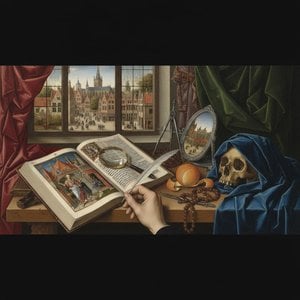
Discover the profound beauty of the Early Netherlandish Renaissance. Explore the revolutionary oil techniques, intricate symbolism, and masterful realism of Northern masters like Jan van Eyck in this expert-led guide for classical art enthusiasts.

 Náhľad
 Odoslať
 Zdieľať
 Podrobnosti o dielo

 Stiahnuť
 Podobné diela
 RTG skúška
 Prezentácia
 Zobraziť viac







 Možnosť skla je dostupná len pri rozmeroch pod 110 cm


