Biografia umelca
A Life Immersed in Masks and Shadows: The World of James Ensor
James Sidney Edouard Ensor, Baron Ensor, sa narodil v Ostende, Belgii, v roku 1860. Jeho život bol fascinujúca symbióza dvoch kultúr – jeho otec bol Angličan, matka Belgičanka. Táto dvojitá identita mohla byť predzvěstou neustáleho záujmu umelca o masky a kostýmy, témy, ktoré sa stali základom jeho znepokojivého, no zároveň fascinujúceho diela. Rástol v živom prístavnom mestečku, obklopený atmosférou karnevalov a zvláštnych záležitostí. Jeho rodičia vlastnili obchod s suvenírmi, plný mušlí, karnevalskej masky a neobyčajných predmetov – takmer ako skanzen divných artefaktov, ktorý podnietil jeho predstavivú vôľu a poskytol mu bohatý vizuálny slovník pre budúce diela. Hoci sa na začiatku zdráhal prijímať tradičné akademické vzdelanie, Ensor nakoniec nastúpil do Kráľovskej akadémie umení v Bruseli, ale jeho rozvíhajúca sa umelecká videnie našla štruktúru Akadémie príliš oštepujúcu. Rýchlo si uvedomil, že potrebuje vytvoriť vlastnú cestu, ktorá ho prevedie za hranice konvencií.
From Somber Realism to Grotesque Visions
Ensorove prvé maľby odrážali tradičnejší prístup, zobrazujúc každodenné scény v temných tónoch. Diály ako *Ruská hudba* (1881) a *Pijanisti* (1883) ukazujú mladého talentu, ktorý sa snaží o realizmus, ale aj v týchto skorých dielach sú prítomné náznaky znepokojivých obrazov, ktoré prichádzajú. Zásadný posun nastal, keď sa Ensorova paleta rozjasnila a jeho témy sa stávajú čoraz bizarnými. Začal povoľovať svoje plátna karnevalmi, kostlivcami, figúrami z marioniet a alegórickými postavami – svetom plným fantázie a často až groteskných javov. Toto nebolo len stylistické zmeny; bolo to úmyselnou skúsenosťou s tmavšími aspektmi ľudského existencie, odmietanie spoločenských noriem a prijatie iracionálneho. Jeho štýl sa okamžite stal rozpoznateľným svojimi výraznými postými, bohatými farbami a divadelnou atmosférou – vizuálna reč, ktorá bola jedinečná pre neho. Vplyv detských zážitkov v prístave bol nespochybniteľný: masky neboli len dekoratívne prvky; boli to symboly skrytých identít, sociálneho kritického postoja a zraniteľnosti vzhľadu.
Masterpieces of Disquiet: Key Works and Recurring Themes
Počas svojich rokov tvorby Ensor vytvoril sériu diel, ktoré dodnes fascinujú a znepokojujú divákov. *Zúrivé masky* (1883) predstavuje skorý dôkaz jeho záujmu o skrytý vzhľad a jeho schopnosť odhaľovať skryté emócie. Jeho najkontroverznejšie dielo, *Vstup Krista do Bruselu* (1888-1889), zostáva silnou satyrou na náboženskú hybnosť a spoločenské bezstarostné správanie – obraz, ktorý bol po prvýkrát kritizovaný, ale dnes je oslavovaný ako majstrovské dielo. Zobrazenie Krista vstupujúceho do mesta plného groteskných maskovaných postáv je silným komentárom na rozpor medzi duchovnými ideálmi a ľudským správaním. *Kostlivci bojujú o upusteného muža* (1891) ponúka znepokojivú meditáciu o smrti, rozklade a absurdite života, zatiaľ čo *Tribulácie svätého Antona* (1887) skúma komplexné alegorické témy pokušenia, hriechu a duchovného zápasu. Opakujúce sa motívy v jeho dielach zahŕňajú tematu smrti, sociálnu kritiku, náboženskú satiru a nekonečnú moc predstavivosti – témy, ktoré rezonujú s univerzálnou relevanciou.
A Pioneer of Modernism: Influences and Legacy
Hoci Ensor odmietol byť ľahko kategorizovaný, jeho umelecká linia je komplexná a fascinujúca. Uznával vplyvy majstrov ako Pieter Bruegel the Elder, ktorých preplnené scény a morálne ponuky rezonovali s jeho vlastným videním, ako aj Francisco Goya, ktorého temné humor a bezúhľadné zobrazenie ľudskej bolesti zanechali trvalý odkaz. Vplyv Jamesa Abbott McNeilla Whistlera na zdôrazňovanie estetiky tiež ovplyvnil jeho umelecké vedomie. Avšak Ensor nebol len napodobiteľom; syntetizoval tieto vplyvy do niečoho úplne nového a originálneho. Je dnes široko uznávaný ako kľúčová postava pri prelome z 19. storočia Symbolizmu na raný 20. stôrocie Expressionizmus a Surrealizmus – skutočný pionier modernej umeleckej tvorby. Jeho odvážna skúmanie podvedomia, prijatie groteskných obrazov a odmietanie akademických konvencií pripravili cestu pre budúce generácie umelcov, ktorí sa odvážili zpochybniť umelecké normy. Hoci čelil počiatkovej opoveď, Ensor nakoniec získal uznanie v neskorších rokoch, keď bol menovaný barónom kráľom Albertom I. v roku 1929 a ocenený Légion d’honneur v roku 1933. Zomrel v Ostende v roku 1949, zanechávajúc dielo, ktoré dodnes fascinuje, znepokojuje a inšpiruje.



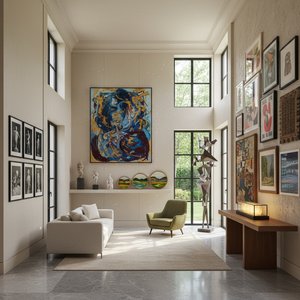
 Náhľad v interiéri
 Prepnúť na tlač
 Odoslať ako digitálnu kartu
 Zdieľať
 Podrobnosti o dielo
 Príručka

 Stiahnuť obraz
 Podobné položky
 RTG skúška
 Prehliadanie diapozoje
 Štatistiky
 Zobraziť viac






































 Možnosť skla je dostupná len pri rozmeroch pod 110 cm