Predávajte svoje umenie
x
NáhľadNáhľad AR náhľadAR náhľad Prejsť na tlač Prejsť na tlačPrejsť na ručne maľovanú reprodukciu Prejsť na ručne maľovanú reprodukciu OdoslaťOdoslať
Podrobnosti o dieloPodrobnosti o dielo Pridať do obľúbených Pridať do obľúbených StiahnuťStiahnuť Podobné dielaPodobné diela RTG skúškaRTG skúška PrezentáciaPrezentácia

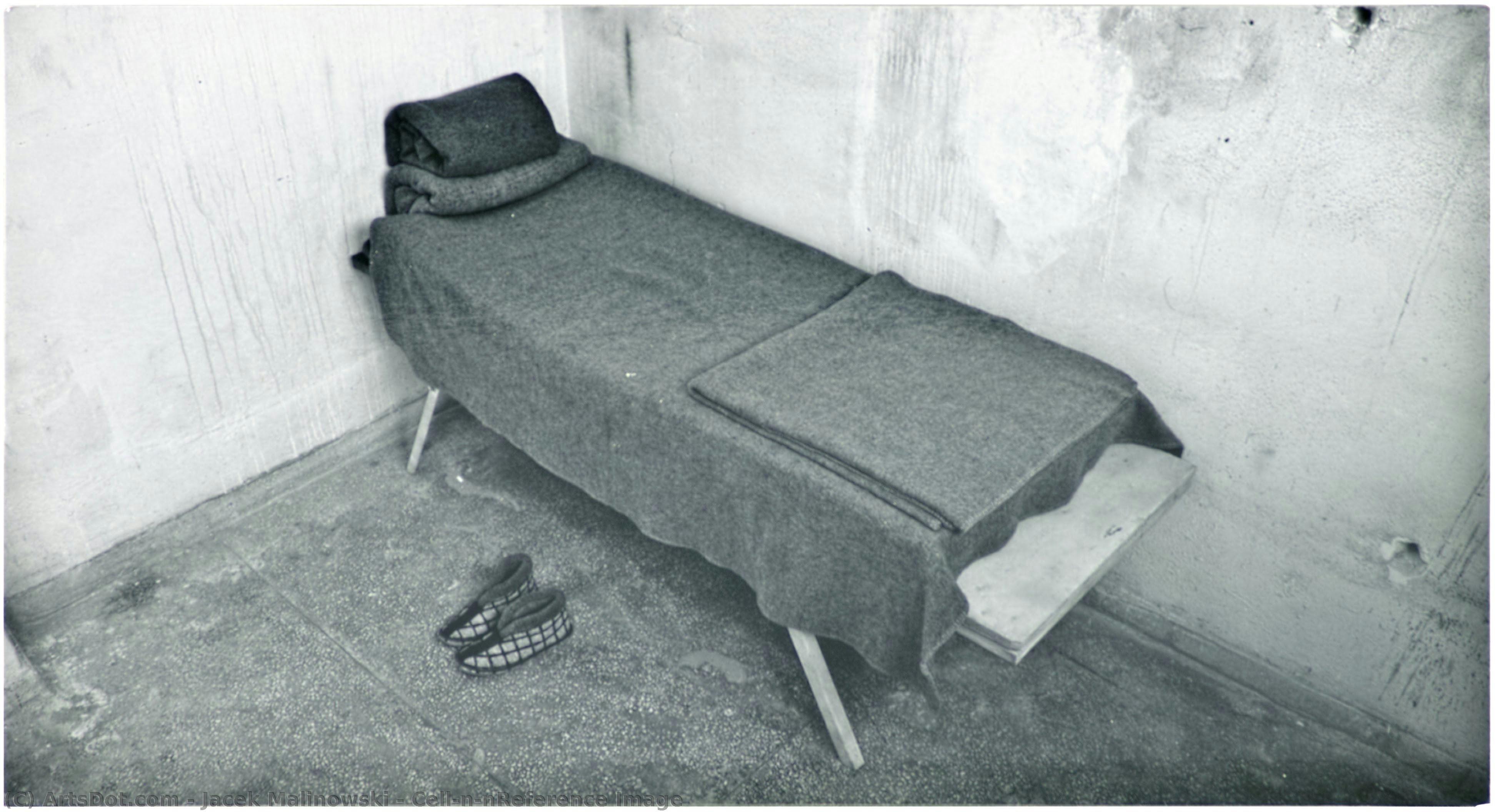
Cell\n\nReference Image

Explore the evocative art of Jacek Malinowski – a Polish visual artist known for film, installations & photography. Discover his unique style & impactful work.

Kúpte si digitálnu snímku vo vysokom rozlíšení s vylepšenými detailmi, ktorá je oveľa kvalitnejšia než online náhľad.

Každý súbor starostlivo pripravujú naši interní špecialisti pomocou pokročilých nástrojov a odborného manuálneho retušovania. Zabezpečujeme, aby každý obrázok disponoval výnimočnou čistotou, presnou farebnou vernosťou a jemnými detailmi.

Konečný súbor vám bude doručený e-mailom do 72 hodín, optimalizovaný pre okamžité použitie v profesionálnom, redakčnom aj tlačovom prostredí. Ide o rovnakú kvalitu, ktorej dôverajú špičkové dizajnérske štúdiá, vydavateľstvá a galérie.

Digitálny obraz

Stiahnite si vysokorozlíšený súbor na osobné zobrazovanie, tlačenie a kreatívne projekty. (Prejsť na tlač Prejsť na tlačPrejsť na ručne maľovanú reprodukciu Prejsť na ručne maľovanú reprodukciu)

Celková cena

$9.99

Súčasťou každej objednávky digitálneho obrazu

Expetórne digitálne doručenie, garantované

Keď si vyberiete WahooArt.com, nedostávate len obrázok – získate profesionálne upravené digitálne umenie, vytvorené s precíznosťou a so zárukou vašej maximálnej spokojnosti. Tu je všetko, čo je súčasťou vašej objednávky automaticky:

shipping_icon
Rýchle doručenie e-mailom

Vaša vysokorozlíšená digitálna súprava obrázkov vám bude zaslaná e-mailom do 72 hodín od objednávky – pripravená na okamžité použitie.

canvas_icon
Digitálny súbor s vylepšením AI

Vaše dielo je profesionálne optimalizované pomocou pokročilých nástrojov umelej inteligencie a manuálnej editácie, čo zaručuje maximálnu úroveň detailov, čistotu a presnosť farieb.

insurance_icon
Bezplatné celoživotné opätovné doručenie

Náhodou ste zmazali alebo ste stratili svoj súbor? Nebavžte sa – pošleme vám ho kedykoľvek znova, úplne bez poplatkov.

tax_icon
Bez poplatkov za dovoz – navždy

Užite si svoje umelodelo okamžite bez colných poplatkov, daní alebo nákladov na dopravu – digitálne stiahnutia sú vždy oslobodené od dane.

color_icon
Garantovaná presnosť farieb

Pomocou profesionálnych nástrojov a farebného manažmentu zabezpečujeme, aby vaša digitálna fotografia čo najpresnejšie odrážala pôvodné farby.

return_icon
60-dňová záruka spokojnosti

Ak nebudete spokojní so svojou digitálnou fotografiou, upravíme ju alebo vám vrátime 100% v priebehu 60 dní – bez zbytočných otázok.

guarantee_icon
100% Záruka vrátenia peňazí

Nie ste spokojní? Získajte plnú náhradu peňazí do 60 dní od prijatia vášho digitálneho súboru – bez zbytočných otázok.

discount_icon
Zľavy pri veľkom odbere

Kúpte si 3 obrazy, ušetrite 10% - Kúpte si 5, ušetrite 15% - Kúpte si 10+, ušetrite 20%. Ideálne pre kreatívne projekty, galérie a agentúry.

Popis zberateľského predmetu

The work of Jacek Malinowski is a collection of nine small black-and-white photographs mounted on glass. The pictures present the reconstruction of Adolf Eichmann’s cell in a prison in Ramla (Israel), where the Nazi criminal spent the last nine months of his life. Careful reconstruction of the prison facilities was based on images from the “Life” weekly, made and published in 1961 during the trial of the criminal. In Malinowski’s photographs, one can see a severe, very austere interior, where there is only a bed, a stool and a sink. There are both frames showing the full view of the cell, as well as close-ups of various details and items, which can be found there. [P. Lisowski]The work of Jacek Malinowski is a collection of nine small black-and-white photographs mounted on glass. The pictures present the reconstruction of Adolf Eichmann’s cell in a prison in Ramla (Israel), where the Nazi criminal spent the last nine months of his life. Careful reconstruction of the prison facilities was based on images from the “Life” weekly, made and published in 1961 during the trial of the criminal. In Malinowski’s photographs, one can see a severe, very austere interior, where there is only a bed, a stool and a sink. There are both frames showing the full view of the cell, as well as close-ups of various details and items, which can be found there.The reproduced cell was employed by the artist as a scenography for the film Nosferatu. The fear dictator (2011), and it simultaneously becomes the documentation relating to the process of making the film, as well as an independent work of art, which can be considered as an integral part of it. The film itself is a two-part story (Berlin, Warschau) inspired by two famous adaptations of Bram Stoker

Životopis umelca

Jacek Malinowski: Echoes of History and the Unseen

Born in Warsaw, Poland, in 1964, Jacek Malinowski is a visual artist whose work delves into the unsettling intersections of history, memory, and the human psyche. His oeuvre—spanning film, installations, sculpture, and photography—is characterized by a meticulous attention to detail, often employing archival materials and reconstructed spaces to confront viewers with uncomfortable truths about the past. Malinowski’s art isn't merely historical documentation; it’s an active engagement with the lingering shadows of events, prompting reflection on their enduring impact.

Initially trained at the Faculty of Fine Arts at the Mason Gross School of the Arts at Rutgers University, Malinowski’s artistic trajectory shifted dramatically after his studies. He began to explore themes rooted in Polish history and its complex relationship with the 20th century—a period marked by occupation, resistance, and profound loss. This early focus shaped a core aesthetic: a deliberate layering of evidence, creating environments that feel both familiar and profoundly alien.

The Cell: Confronting Eichmann’s Legacy

Perhaps the most iconic work in Malinowski's oeuvre is “Cell” (2012), a series of nine black-and-white photographs meticulously documenting the reconstruction of Adolf Eichmann’s prison cell in Ramla, Israel. This project began with images from the 1961 “Life” magazine article detailing the trial and subsequent imprisonment of the Nazi war criminal. Malinowski didn't simply reproduce these archival photographs; he painstakingly recreated the cell itself, creating a stark, almost claustrophobic space that embodies the horror of Eichmann’s actions.

The significance of “Cell” extends beyond its subject matter. It functions as both a historical record and an artistic statement. The artist deliberately employs a documentary style, utilizing elements reminiscent of news photography to lend the work an air of authenticity. However, this apparent objectivity is undermined by the unsettling details—the bare bed, the single stool, the meager sink—which amplify the sense of isolation and despair within the confined space. As Malinowski himself has stated, he aims to evoke a “horror” that one should seek in reality, history, and tradition, simultaneously acknowledging the potential for evil inherent in these domains.

Film as a Medium for Historical Excavation

Beyond photography, Malinowski’s work extends into film. His 2011 film, "Nosferatu. The Fear Dictator," is a compelling example of his approach to cinematic storytelling. Drawing inspiration from both Murnau's original “Nosferatu” and Herzog’s adaptation, the film reimagines Bram Stoker’s Dracula as a chilling allegory for totalitarianism. Malinowski utilizes the reconstructed Eichmann cell as a key scenography, creating a haunting atmosphere that underscores the film’s themes of paranoia and oppression.

Crucially, Malinowski employs a documentary style within his films, blurring the lines between fiction and reality. This technique serves to heighten the sense of unease and invites viewers to question the nature of historical representation. The “Cell” itself becomes an integral part of the narrative, functioning as a visual metaphor for the enduring legacy of evil.

A Contemporary Voice Rooted in the Past

Jacek Malinowski’s art is not simply about recreating the past; it's about engaging with its complexities and confronting its uncomfortable truths. His meticulous research, combined with his distinctive aesthetic—characterized by stark imagery, unsettling spaces, and a deliberate use of archival materials—has established him as a significant voice in contemporary visual culture. He invites us to contemplate the enduring power of history and the importance of remembering – not just recording – the events that have shaped our world.

His work continues to be exhibited internationally, solidifying his position as a leading Polish artist exploring the darker corners of human experience.

jacek malinowski

jacek malinowski

1964 - , Poland

Základné informácie

  • Artistic Movement Or Style: Visual art, Film installations, Photography art
  • Date Of Birth: 1964
  • Full Name: Jacek Malinowski
  • Nationality: Polish
  • Notable Artworks:
    • Cell
    • Nosferatu. Berlin, Warschau
  • Place Of Birth: Warsaw, Poland