BEZPLATNÉ UMENÍCKE PORADENSTVO

x
Objednať reprodukciu Objednať reprodukciuKúpiť digitálnu verziu Kúpiť digitálnu verziu OdoslaťOdoslať
PodrobnostiPodrobnosti Pridať do obľúbených Pridať do obľúbených StiahnuťStiahnuť Podobné dielaPodobné diela RTG skúškaRTG skúška PrezentáciaPrezentácia

Painters

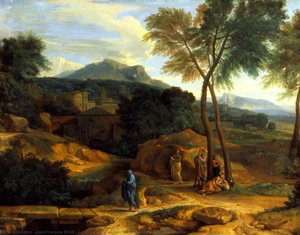
A captivating 1790 painting depicting two men working on a rock formation, showcasing Hubert Robert's mastery of landscape and light. Explore the romantic vision of ruins and nature.

Hubert Robert (1733-1808): Francúzsky maliar známy ruínami, capricciami a romantickou atmosférou. Jeho diela spájajú históriu, pád a fantáziu.

Giclée / Umenotlač

Giclée tlač alebo plátno múzeálnej kvality s rýchlou výrobou a flexibilnými možnosťami povrchovej úpravy.

P118B $10
P118H $10
P118W $10
P438Z $10
P508JH $12
P508YH $12
P805H $10
P805Z $10
P919BZ $10
P919G $10
P919XJ $10
P959ZH $10
P968JZ $12
W106C $8
W218G $10
W218JH $8
W218Y $10
W307PJ $10
W316G $10
W316PJ $8
W316Y $10
W398PJ $8
W4111J $10
W500HY $15
W500JH $15
W692G $12
W849H $8
W940BG $15
W953PJ $8

Standard
custom
CM
INCH

Vyberte si z našich preddefinovaných rozmerov, ktoré zodpovedajú pôvodným pomeroḿ diela.

šírka
výška

Môžete zadať vlastné rozmery, aby sa reprodukcia prispôsobila konkrétnemu rámu alebo priestoru. Ak zvolená veľkosť nebude zodpovedať proporciám originálu, dielo buď orežeme, alebo obraz rozšírime pomocou zrkadlenia či farebného doplnenia okrajov. Pred začatím výroby vám pošleme digitálnu ukážku na schválenie.
Máte na vedomí, že náhľad na obrazovke neodzrkadľuje skutočné orezanie alebo rozšírenie. Len digitálna ukážka presne zobrazí finálnu kompozíciu.
Hoci sú k dispozícii vlastné rozmery, pre zachovanie pôvodných proporcií odporúčame vybrať si rozmer z vopred definovaného zoznamu.

Celosvetová doprava () do 2 týždňov namiesto štandardných 4/5 týždňov. (2 júl)

why_choose_icon
Bezplatná expresná doprava po celom svete
why_choose_icon
Prémiové lnianske plátno
why_choose_icon
Kompletné poistenie prepravy
why_choose_icon
Záruka vrátenia colného poplatku
why_choose_icon
Záruka presného farebného zhodnutia
why_choose_icon
60-dňá politika vrátenia (iba pri defektoch)
why_choose_icon
100% záruka vrátenia peňazí
why_choose_icon
Výhodná množstevná zľava

Celková cena

-

reproduction

Painters

Giclée / Umenotlač

Veľkosť reprodukcie

-

Celková cena za vybrané možnosti

-

Základné informácie

  • Dimensions: 24 x 32 cm
  • Artistic style: Capriccio, Landscape
  • Artist: Hubert Robert
  • Notable elements: Ruins, figures, field
  • Influences: Neoclassicism
  • Medium: Oil on canvas
  • Movement: Romanticism

Kvíz o umení

Pri každej otázke je iba jedna správna odpoveď.

Otázka 1:
What artistic movement is Hubert Robert primarily associated with?
Otázka 2:
The painting 'Painters' depicts which of the following scenes?
Otázka 3:
In what year was Hubert Robert born?
Otázka 4:
What is a 'capriccio' in the context of Hubert Robert’s paintings?
Otázka 5:
The image description mentions the presence of animals. Which animal is depicted in the painting?

Popis predmetu

Hubert Robert’s “Painters”: A Vision of Ruin and Remembrance

Hubert Robert's "Painters," painted in 1790, isn’t merely a depiction of laborers at work; it’s a carefully constructed meditation on labor, time, and the enduring power of memory. The scene unfolds within a rugged, almost theatrical landscape – a dramatic vista dominated by a towering rock formation, its weathered surface hinting at centuries of exposure to the elements. Two figures, rendered with a subtle realism that belies Robert's penchant for romanticized ruins, are engaged in the arduous task of carving stone. One, positioned atop the rock, directs the work with a commanding presence, while the other, lower down, meticulously shapes the material beneath him. The composition isn’t about capturing a specific moment; it’s about evoking a feeling – a sense of timelessness and the relentless passage of time, beautifully intertwined with the human effort to impose order upon nature.

Robert's style is distinctly rooted in the Neoclassical tradition, yet infused with the burgeoning Romantic sensibility that was beginning to challenge its rigid formality. He masterfully employs atmospheric perspective – the subtle blurring and darkening of distant elements – to create a profound sense of depth and space. The light, diffused and golden, washes over the scene, casting long shadows and highlighting the textures of the rock and the figures’ clothing. Notice how Robert utilizes loose brushstrokes, particularly in the depiction of the landscape, creating an impressionistic effect that anticipates later developments in art history. This deliberate softness contrasts with the sharper detail given to the men themselves, suggesting a focus on their individual struggles within the grand scheme of nature.

The Context of Labor and Ruin

To fully appreciate “Painters,” it’s crucial to understand Robert's artistic interests – particularly his fascination with ruins. Following the upheavals of the French Revolution, a renewed interest in antiquity and the past emerged, fueled by archaeological discoveries and a desire to reconnect with a perceived lost sense of order and stability. Robert, like many artists of his time, found inspiration in the decaying grandeur of Roman temples and medieval castles, transforming these remnants into evocative landscapes – ‘capriccios’ as he called them. These weren't simply artistic exercises; they were explorations of memory, loss, and the cyclical nature of history. The very act of painting ruins became a way to preserve a fading past, imbuing it with new life and meaning.

The figures depicted in “Painters” represent a specific segment of 18th-century French society – laborers engaged in essential but often overlooked work. Robert’s choice to portray them within such a dramatic landscape elevates their status, suggesting that even the most humble tasks are worthy of artistic attention. The scene subtly critiques the social hierarchies of the time, presenting these men not as mere workers, but as active participants in shaping the world around them. The rock formation itself can be interpreted as a symbol of enduring strength and resilience – a testament to the power of human labor against the forces of nature.

Symbolism and Emotional Resonance

Beyond its straightforward depiction of work, “Painters” is rich in symbolic meaning. The towering rock formation, with its weathered surface, represents the weight of history and the passage of time. The figures’ focused expressions convey a sense of dedication and perseverance, but also hint at the physical strain of their labor. Robert's use of color – predominantly earthy tones punctuated by flashes of gold – evokes feelings of warmth, nostalgia, and perhaps even melancholy. The overall effect is one of quiet contemplation, inviting the viewer to reflect on the relationship between humanity and nature, work and memory.

The inclusion of animals—a horse and a dog—adds another layer of complexity to the scene. Animals have long been associated with labor and service in art, symbolizing loyalty, strength, and connection to the natural world. Their presence reinforces the theme of human interaction with the environment, suggesting a harmonious coexistence – albeit one marked by hard work and enduring effort. “Painters” is not simply a landscape; it’s a carefully orchestrated tableau that speaks volumes about the values and anxieties of its time.

A Timeless Masterpiece: Reproduction Considerations

Reproductions of Hubert Robert's “Painters” offer a remarkable opportunity to bring this evocative artwork into your home or office. The meticulous detail captured by Robert’s brushstrokes, combined with his masterful use of light and shadow, translates beautifully to high-quality reproductions. When selecting a reproduction, pay close attention to the texture and color accuracy – features that are crucial for capturing the painting's atmospheric depth and emotional resonance. WahooArt offers meticulously crafted hand-painted reproductions that faithfully recreate Robert’s original vision, ensuring that you experience the full impact of this timeless masterpiece.


Biografia umelca

Hubert Robert (1733–1808): Francúzsky maliar ruín a vizek

Hubert Robert, meno spájajúce sa s evokujúcimi krajinami a romantickou čarovnosťou ruin, zaujíma v 18. storočí francúzskej umenia unikátnu pozíciu. Narodil sa v Paríži v roku 1733 a jeho život prebiehal v kontexte posuvných umeleckých štýlov a monumentálnych historických premenu – od ľahkosti rokoká až po nástup neoklasicismu, a nakoniec aj prostredníctvom turbulentných rokov francúzskej revolúcie. Nebol len dokumentátorom rozkladu; vytváral vize, spájajúc pozorovanie s fantáziou, aby vytvoril scény, ktoré rezonovali s nostalgickou túžbou po minulosti a predzvestím budúcnosti. Jeho cesta začala v usporiadanom svete umeleckého vzdelávania, najprv pod sochára Michela-Ange Slodtza, ktorý si všimol Robertovu talent, ale múdro ho nasmeroval k maľbe, čítajúc jeho pravú výzvu – zachytiť svetlo, atmosféru a jemnú poezziu tvaru.

Rímske reverencie: Formovanie umeleckej identity

Kľúčový moment v Robertovej umeleckej rozvoji nastal s jeho rozšíreným pobytom v Ríme v roku 1754. Spolu s Étienne-François de Choiseulom sa ponoril do sveta, ktorý bol zasadený do histórie a architektonickej grandeur. Po jedenásť rokov sa staroveké mesto stalo jeho vonkajším štúdiom, jeho zrúhavé chrámy, majestátne oblúky a zaplnené záhrady pohánkali jeho predstavivosti. Nebolo to len o replikovaní toho, čo videl; išlo o interpretáciu, preformulovanie a vloženie doňho pocitu melancholickej krásy. Pracoval po boku Giovanniho Paola Paniniho, čímž sa ukázalo, že Robertov vplyv je viditeľný v jeho skorých *capriccio* kompozíciách – týchto fantázijných výhľadov, ktoré spájali klasické ruiny s súčasným životom. No Robert rýchlo prešiel ďalej od napodobňovania, vyvinul vlastný jedinečný štýl charakterizovaný precíznym detailom, atmosférickou perspektívou a hlbokou citlivosťou na svetlo a tieň. Nebol len maľoval ruiny; mal malovať čas samotný, zachytávať pohnutú krásu dočasnosti a trvalú silu pamäte. Jeho zápisníky z tejto doby sú neoceniteľné záznamy o jeho pozorovaniach, plné detailných štúdií rímskych pamiatok, ako je Villa d’Este a Caprarola, demonštrujúc taký talent pre architektonickú nuanciu a krajinársku kompozíciu.

Parížsky uznanie a kráľovské sponzorstvo

Robertov návrat do Paríža v roku 1765 znamenal posun v jeho kariére. Rýchlo získal uznanie v umeleckej spoločnosti, pričom saho prijal do Académie Royale de Peinture et de Sculpture s dielom “Port of Rome, Decorated with Various Monuments of Architecture, Ancient and Modern.” Jeho nasledujúce výstavy v Salóne zarobili si široké uznanie, očarili publikum svojimi evokujúcimi reprezentáciami ruin a malebných krajín. Denis Diderot, vedúci predstaviteľ osvietenstva, známy kritik, svedčil o grandeur evokovanej Robertovými maľbami, rozpoznávajúc jeho schopnosť prenášať divákov do inej doby a miesta. Tento úspech viedol k kráľovskému sponzorstvu, s povelmi na dekoratívne projekty a menami na pozície “Návrhára kráľovských záhrad” a neskôr, “Strážcu kráľovských obrazov.” Stal sa požiadaným umelcom, nie len pre svoje plátno, ale aj pre svojím inovatívnym dizajnom záhrad a palácových interiérov. Jeho dielo rezonovalo s vládnym vkusem *capriccio* maľby – žánru, ktorý oslovoval kolektívov fascinovaných históriou, archeológiou a malebnosťou – ale Robert doňho vložil jedinečnú citlivosť, zvýšil ho nad rámec dekoratívneho umenia.

Revolúcia, odolnosť a trvalá dedičnosť

Francúzska revolúcia priniesla nezvyčajný výzor Robertovi. Zatiaľ čo mnohí umelci bojovali s prechodom turbulentného politického prostredia, on našiel seba v prúdovom zmene. Dokonca bol väznený počas obdobia teroru, hrôzostrašujúcej skúsenosti, ktorá napriek tomu inšpirovala sériu kresieb dokumentujúcich jeho čas v väzení. Výnimočne, pokračoval v maľbe produktívne počas tejto doby, demonštrujúc neochotu vzdávať sa svojej umenia. Po revolúcii bol Robert menovaný kurátorom novej vytvorenej Central Art Museum – budúceho Musée du Louvre, čo bolo dôkazom jeho odbornosti a oddanosti zachovávaniu kultúrneho dedičstva pre budúcie generácie. Hrával kľúčovú úlohu v organizácii a katalogizácii múzejnej zbierky, zabezpečujúc tak, aby francúzske umelecké poklady boli chránené pre budúce generácie.

Kľúčové vplyvy: Giovanni Paolo Panini, Piranesi, Rímsky architektonický krajina

  • Kľúčové vplyvy: Giovanni Paolo Panini, Piranesi, rímska architektúrna krajina
  • Hlavné témy: Ruiny, krajiny, *capriccio* maľby, historická pamäť, priebeh času
  • Umelecký štýl: Precízny detail, atmosféricka perspektíva, evokujúce osvetlenie, spájanie pozorovania s fantáziou
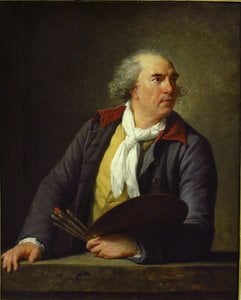
Hubert Robert

Hubert Robert

1733 - 1808 , Francúzsko

Základné informácie

  • Artistic Movement Or Style: Romantizmus, Neoklasicizmus
  • Artists Or Movements Influenced By This Artist: ['Romantizmus']
  • Artists Who Influenced This Artist:
    • Giovanni Panini
    • Piranesi
  • Date Of Birth: 22. máj 1733
  • Date Of Death: 15. apríl 1808
  • Full Name: Hubert Robert
  • Nationality: Francúzsky
  • Notable Artworks:
    • Port Ríma
    • Let Galatey
    • Galéria Louvre
  • Place Of Birth: Paríž, Francúzsko
Preskúmajte umelecká diela usporiadané podľa tém, štýlov a charakteristík.