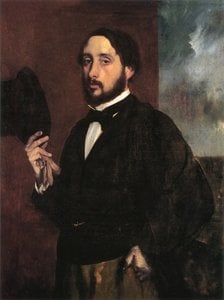
A Life Immersed in Movement
Edgar Degas, vlastným menom Hilaire Germain De Gas, sa narodil v Paríži v roku 1834 a zomrel v roku 1917. Jeho život bol fascinujúci kontrast – často spájaný s impresionistami, hoci aktívne tento štítok odmietal, preferoval označenie ako realist. Tento záväzok vychádzal z jeho precízneho pozorovania sveta okolo seba a oddanosti zobrazovaniu ho s neoblomnou upřímností. Jeho rané roky boli pohodlné v buržoázskom prostredí; otec bol bankár, matka pochádzala z kreolskej rodiny v New Orleans. Tento pozadie mu poskytlo prístup k vzdelávaniu a umeleckému školeniu, hoci často sa sťažoval na akademické obmedzenia. Počiatok jeho vzdelávania začal, keď začal skopírovať diela v Louvri, kde si osvojil zručnosti a rozpalil vášeň pre klasickú umenie. Avšak Degas cesta nebola striktne založená na tradícii; bola to obmôrdzaná cesta s neustálym spochybňovaním a preskúmaním umeleckých noriem. Vlastnil nezávislý duch, ktorý definoval celý jeho životný cyklus.
Beyond Impressionism: A Unique Artistic Vision
Zatiaľ čo súperi ako Monet hľadali mihotavé účinky svetla vonku, Degas väčšinou pracoval v priestoroch svojho štúdia, precízne budoval scény z pozorovaní a spomienok. Jeho témy boli jednoznačne moderné – odstupujúce od historických alebo mytologických motívov, ktoré uprednostňovali akademickí maliari. Hľadal inšpiráciu v dennodennom živote Parížanov: práve tieto ženy sa stali jeho najznámejším témou - švätky, speváčky kabaretu, obláčikárky a samozrejme, tanečníčky. Je táto fascinácia baletom, ktorá definuje veľkú časť jeho diela. Degas však nebol len umelec zobrazujúci krásnych tanečníkov; zachytával krutú realitu ich povolania – nekonečné skúšky, fyzické úsilie, krátke momenty grácie v svete tvrdého práce. Jeho kompozície sú často nezvyčajné, figúrky zobrazované nečakaným spôsobom a využívanie asymetrických usporiadkov, ktoré vytvárajú pocit dynamiky a okamžitosti. Bol majstrom v zachytávaní pohybu, nie cez rozmazané čiary alebo mlhavé efekty, ale pomocou presného pozorovania a starostlivého znázornenia tvaru. *Dancer, A Group of Dancers* a *Women Combing Their Hair* sú príkladmi jeho oddanosti zobrazovaniu ľudského tela v pohybe a odhaľovaní komplexnosti modernej spoločnosti. Nebol spokojný s povrchovou krása; hľadal pravdu pod povrchom.
Influencie a umelecký rozvoj
Degas’s umelcký život bol ovplyvnený rôznymi vplyvom. Jeho rané vzdelanie kladlo dôraz na klasické princípy, najmä diela Jean-Auguste-Dominique Ingresa, ktorý zdôrazňoval zručnosť a presné znázornenie. Avšak Degas tiež obdivoval realistov, ako Gustave Courbet, ktorí vyzvali akademické konvencie a prosili o zobrazovanie súčasného života. Kľúčový moment v jeho rozvoji nastal prostredníctvom spriatelia Camille Pissarroa, vedúceho impresionistu, ktorý mu predstavil iných umelcov a povzbudil ho k experimentovaniu s novými technikami. Bol očarený japonskými rytinami –
Ukiyo-e – ktoré ovplyvnili jeho použitie asymetrických kompozícií, ploché perspektívy a výrazné vzory. Experimentoval aj s fotografiou, uznával jej potenciál na štúdium pohybu a zachytávanie úsekov v čase. Táto ochota prijímať rôzne vplyvy do svojho diela je to, čo ho odlišuje a prispieva k jedinečnému charakteru jeho umenia. Nebol strachom z inšpirácie z rôznych zdrojov, spájajúc ich do niečoho úplne nového.
Hlavné prínosy a historický význam
Edgar Degas zomrel v Paríži v roku 1917, nechávajúc za sebou dielo, ktoré dodnes fascinuje a inšpiruje publikum. Jeho inovatívny prístup k kompozícii, jeho mistrovská zručnosť a neoblomné zobrazovanie modernej spoločnosti mali hlboký dopad na chod umeleckej histórie. Otváril cestu budúcim generáciám umelcov, ktorí hľadali spôsob, ako sa oslobodiť od tradičných konvencií a skúmať nové spôsoby reprezentácie sveta okolo seba. Jeho vplyv je viditeľný v dielaach Pabla Picassa a Henriho Matissa medzi inými. Miestnosti múzea – vrátane Musée d’Orsay a Musée de l’Orangerie v Paríži – uchovávajú významné zbierky jeho maľieb, pastelí, sochy a rytiniek, čím zabezpečujú, že jeho dedičstvo bude trvať ďalšie generácie. Degas nebol len umelec zobrazujúci tanečníkov alebo jazdcov; bol pozorným pozorovateľom ľudskej povahy, majstrom tvaru a pohybu a skutočným inovatérom, ktorý predefinoval možnosti umenia.
- Majster línie: Degas’s výnimočná zručnosť v kreslení ho odlišovala.
- Moderný život ako téma: Zamerával sa na súčasný parížsky život a odchýlil sa od tradície.
- Vplyv na budúcich umelcov: Jeho dielo hlboko ovplyvnilo Picassa a Matissa.



 Náhľad
 Kúpiť ručne maľovaný obraz
 Odoslať
 Zdieľať
 Podrobnosti o dielo

 Stiahnuť
 Podobné diela
 RTG skúška
 Prezentácia
 Štatistiky

 Zobraziť viac






































 Možnosť skla je dostupná len pri rozmeroch pod 110 cm