The Narrative of Flight: Unveiling Tanner’s “Flight into Egypt”
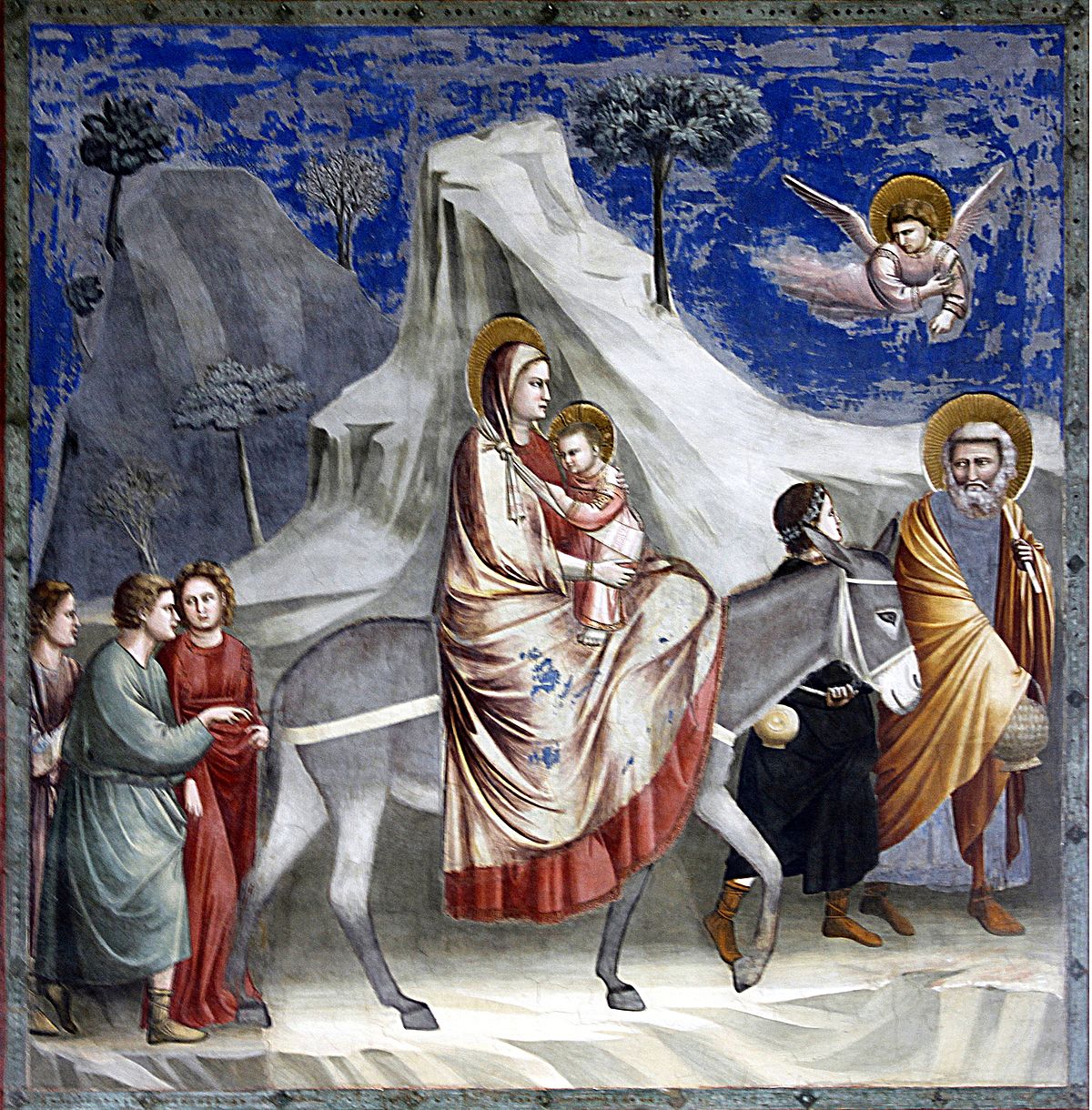
Henry Ossawa Tanner's "Flight into Egypt," painted in 1899, isn’t merely a depiction of a biblical scene; it’s a profound meditation on faith, family, and the enduring struggle for safety. This oil-on-canvas masterpiece, now housed within the Detroit Institute of Arts, transports us to a frigid winter landscape—a stark contrast to the warmth and security sought by Mary, Joseph, and the infant Jesus as they flee persecution in Herod’s kingdom. Tanner masterfully captures the urgency of their flight, imbuing the scene with an atmosphere of quiet desperation mingled with unwavering hope. The painting immediately draws the eye to the central figures, rendered not as idealized saints but as ordinary people—a family seeking refuge, relatable and deeply human.
A Symphony of Light and Shadow: Tanner’s Artistic Technique
Tanner's artistic style is immediately recognizable—a bold departure from the prevailing academic traditions of his time. He employs a distinctive technique characterized by loose, expressive brushstrokes and a masterful manipulation of light and shadow, or *chiaroscuro*. The painting is dominated by cool blues and grays, evoking the biting cold of the winter landscape and mirroring the uncertainty faced by the holy family. Yet, within this somber palette, Tanner introduces subtle highlights—a glimmer of warmth emanating from the figures themselves, suggesting their inner resilience and faith. The use of perspective creates a sense of depth, drawing the viewer into the scene and emphasizing the vastness of the journey ahead. The two horses, strategically placed on the right side of the composition, add a dynamic element, symbolizing both the arduousness of their travel and the divine protection they receive.
Roots in Faith and Heritage: Contextualizing Tanner’s Vision
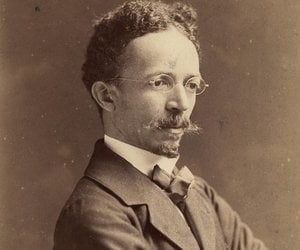
Understanding Henry Ossawa Tanner requires acknowledging his deeply rooted background. Born in Pittsburgh, Pennsylvania, to Reverend Benjamin Tucker Tanner—a prominent figure within the African Methodist Episcopal Church—and Sarah Elizabeth Tanner, who had escaped slavery via the Underground Railroad, Tanner's life was profoundly shaped by faith and a commitment to social justice. His father’s activism instilled in him a strong sense of identity and purpose, which he channeled into his art. Tanner’s early exposure to Philadelphia’s vibrant cultural landscape, coupled with formal training at the Pennsylvania Academy of the Fine Arts, allowed him to develop his unique artistic voice—one that seamlessly blended realism with spiritual depth. The painting reflects this complex heritage, subtly incorporating African and Middle Eastern influences in the clothing and architecture of the background, suggesting a universal message of refuge and hope.
Symbolism and Spiritual Resonance: A Timeless Narrative
Beyond its visual beauty, “Flight into Egypt” is rich in symbolism. The painting’s depiction of a family fleeing persecution resonates with ancient narratives of exile and redemption. The journey itself represents the challenges faced by marginalized communities throughout history—a testament to the enduring human spirit's capacity for resilience. Tanner’s choice to portray the holy family as ordinary people, rather than idealized figures, underscores the universality of their experience. The painting invites viewers to contemplate themes of faith, family, and the search for safety in a world often marked by uncertainty and danger. It is a powerful reminder that even in the darkest of times, hope—and divine protection—can be found.



 Náhľad
 Prepnúť na tlač
 Odoslať
 Zdieľať
 Podrobnosti o dielo

 Stiahnuť
 Podobné diela
 RTG skúška
 Prezentácia
 Štatistiky


 Zobraziť viac






































 Možnosť skla je dostupná len pri rozmeroch pod 110 cm