Život ponorený do farieb: Svet Henriho Matissea
Henri Émile Benoît Matisse, narodený 31. decembra 1869 v malom severofrancúzskom meste Le Cateau-Cambrésis, nebol predurčený k životu plnému pigmentov a tvarov. Po ukončení strednej školy študoval právo v Paríži, no jeho cesta sa dramaticky zmenila po záchvate zápalu slepého čreva v roku 1889. Obmedzený na lôžko objavil skrytú vášeň pre maľbu, ktorá bola vznietená jednoduchým aktom nanášania farieb súpravou umeleckých potrieb, ktorú mu darovala matka. Toto nebol len spôsob zabavenia; bol to odhalenie – zlomový bod, ktorý ho odviedol od právnych spisov smerom k svetu, kde sa farba stala jeho jazykom a plátno jeho doménou. Rastúc v Bohain-en-Vermandois ako syn obchodníkov s obilím, Matisse pôsobil spočiatku nepravdepodobne ako umelec, no semienko bolo zasadené, pestované rekonvalescenciou a kvitnúce celoživotnou oddanosťou. Zapisoval sa na Académie Julian a neskôr na École Nationale des Beaux-Arts, kde študoval pod Williamom-Adolphom Bouguereauom a Gustavem Moreauom, absorbujúc klasické techniky, ktoré slúžili ako základ pre jeho budúce inovácie. Rané práce odrážali toto akademické vzdelanie, demonštrujúc zručnosť, no postrádajúci výrazný hlas, ktorý sa čoskoro stal jeho charakteristickým znakom.
Úsvit Fauvizmu a odvážne experimenty
Kľúčový moment nastal v roku 1896 počas návštevy Belle-Île s austrálskym maliarom Johnom Russellom. Toto stretnutie sa ukázalo ako transformačné. Russell predstavil Matissea žiarivému svetu impresionizmu a čo je dôležitejšie, emocionálne nabitým plátnam Vincenta van Gogha. Dopad bol hlboký. Expresívne využitie farieb Van Gogha rozbilo predtým zdržanú paletu Matissea, povzbudzujúc ho k odvážnejšiemu a subjektívnejšiemu prístupu. Začal sa vzďaľovať od zemistých tónov a prijímal farby, ktoré rezonovali s pocitmi namiesto striktnej reprezentácie. Toto skúmanie vyvrcholilo vznikom Fauvizmu okolo roku 1905 – hnutia, v ktorom sa Matisse stal poprednou postavou. Samotné meno, znamenajúce „divoké zvery“, bolo spočiatku pohŕdavé, udelené kritikmi šokujúcim živým a nenaturalistickým obrazom vystaveným na Salóne d'Automne.
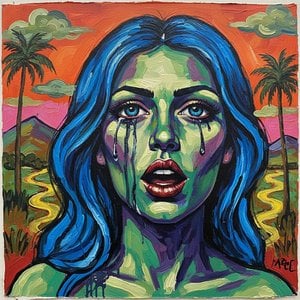
Matisse, spolu s umelcami ako André Derain a Maurice de Vlaminck, presadzoval intenzívnu farbu ako nezávislý prvok výrazu, zjednodušujúc formy na posilnenie jej dopadu. Obrazy ako *The Gourds* (1905) exemplifikujú tento štýl – výbuch červenej, zelenej a žltej farby aplikovanej s slobodou, ktorá ignorovala tradičnú perspektívu a mimetickú presnosť. Kľúčové charakteristiky zahŕňali intenzívne nasýtené palety, zjednodušené tvary, expresívne ťahy štetcom a úmyselné odmietnutie konvenčnej reprezentácie v prospech emocionálnej rezonancie.
Zjemnenie a dekoratívna harmónia
Po počiatočnom nadšení Fauvizmu prešiel štýl Matissea jemnou, ale významnou evolúciou. Hoci nikdy nezanechal svoju lásku k farbe, jeho práca sa stala rafinovanejšou, naklonená k dekoratívnej estetike, ktorá zdôrazňovala sploštené formy a zložité vzory. Preskúmal témy voľného času, domáceho života a ľudskej postavy v pokojnom prostredí, vytvárajúc kompozície, ktoré pôsobili harmonicky a emocionálne rezonovali. Sťahovanie do Nice na Francúzskej riviére v roku 1917 ďalej ovplyvnilo tento posun, vdychujúc jeho práci pocit pokoja a klasickej rovnováhy. Začal sa zameriavať na vytváranie prostredí – obrazov, sôch a dekoratívnych predmetov –, ktoré obklopili diváka atmosférou krásy a pokoja. Toto obdobie ho viedlo k experimentom s rôznymi médiami vrátane keramiky a textilu, čím rozšíril svoju umeleckú víziu za tradičné plátno. Netvoril len scény; konštruoval svety navrhnuté tak, aby vyvolali špecifickú emocionálnu reakciu.
Neskoršie roky: Inovácia prostredníctvom obmedzenia
Keď zdravotné problémy obmedzili schopnosť Matissea maľovať tradičným spôsobom, vydal sa na mimoriadnu novú kapitolu svojej umeleckej cesty – tvorbu výrezových koláží alebo *découpages*. Začiatkom okolo roku 1947 vznikli tieto práce z potreby. Obmedzený na invalidnom vozíku nemohol fyzicky stáť a maľovať, ale stále mohol manipulovať s papierom nožnicami. To, čo začalo ako praktické riešenie, sa vyvinulo v prielomovú umeleckú techniku. Maľoval veľké listy papiera živými farbami, potom ich vystrihával do tvarov – organických foriem, listov, postáv – a aranžoval ich na plátne, vytvárajúc kompozície, ktoré boli dynamické aj klamlivo jednoduché. Tieto *découpages* neboli len náhradou za maľbu; predstavovali nový spôsob myslenia o farbe, forme a kompozícii. Pokračovali v jeho celoživotnom skúmaní týchto prvkov, demonštrujúc trvalú umeleckú víziu aj tvárou v tvár fyzickým obmedzeniam.
- Technika výrezu mu umožnila dosiahnuť čistotu formy a farby, ktorú bolo ťažké dosiahnuť s maľbou.
- Tieto práce často odkazovali na skoršie témy a motívy z jeho obrazov, ale prezentovali ich sviežim a inovatívnym spôsobom.
- Demonštrovali jeho schopnosť prispôsobiť sa a vyvíjať ako umelec počas celej svojej kariéry.
Trvalý odkaz: Vplyv Matissea na moderné umenie
Henri Matisse zomrel v Nice v roku 1954, pričom zanechal rozsiahle dielo, ktoré pokračuje v inšpirácii a uchvacovaní publika po celom svete. Jeho dopad na umelecký svet je nepopierateľný; spochybnil konvenčné predstavy o reprezentácii, presadzoval expresívnu silu farby a pripravil pôdu pre budúce generácie umelcov. Často považovaný za jedného z najvplyvnejších predstaviteľov umenia 20. storočia, Matisse zásadne formoval modernizmus. Jeho odkaz sa rozširuje aj za jeho umelecké diela – zahŕňa filozofiu oslavujúcu radosť, krásu a transformačný potenciál farby. Netvoril len to, čo videl; vytváral emocionálny zážitok pre diváka, pozýval ho podeliť sa o jeho víziu sveta kúpaného vo svetle a živých odtieňoch. Vplyv
Matissea je možné pozorovať v nespočetných dielach umelcov z rôznych disciplín, čím sa upevňuje jeho postavenie ako skutočného majstra moderného umenia – maliara, ktorý sa odvážil vidieť svet nielen taký, aký je, ale aj taký, akým by mohol byť, plný farieb, harmónie a neobmedzených možností.



 Náhľad
 Kúpiť ručne maľovaný obraz
 Odoslať
 Zdieľať
 Podrobnosti o dielo

 Stiahnuť
 Podobné diela
 RTG skúška
 Prezentácia
 Štatistiky
 Zobraziť viac






































 Možnosť skla je dostupná len pri rozmeroch pod 110 cm