BEZPLATNÉ UMENÍCKE PORADENSTVO

x
Objednať reprodukciu Objednať reprodukciuKúpiť digitálnu verziu Kúpiť digitálnu verziu OdoslaťOdoslať
PodrobnostiPodrobnosti Pridať do obľúbených Pridať do obľúbených StiahnuťStiahnuť Podobné dielaPodobné diela RTG skúškaRTG skúška PrezentáciaPrezentácia

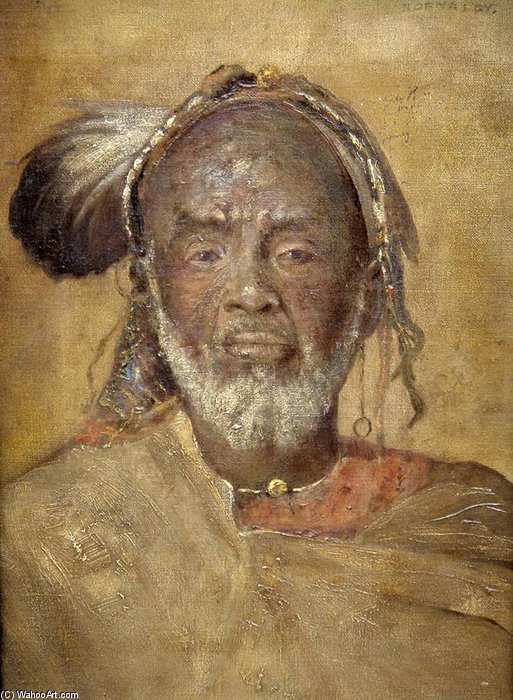
Chief

Gyula Tornai (1861-1928): Hungarian Orientalist painter famed for vibrant scenes of Morocco, Japan & India. Influenced by Makart, his works blend exoticism with wit and are featured in the Hungarian National Gallery.

Giclée / Umenotlač

Giclée tlač alebo plátno múzeálnej kvality s rýchlou výrobou a flexibilnými možnosťami povrchovej úpravy.

Standard
custom
CM
INCH

Vyberte si z našich preddefinovaných rozmerov, ktoré zodpovedajú pôvodným pomeroḿ diela.

šírka
výška

Môžete zadať vlastné rozmery, aby sa reprodukcia prispôsobila konkrétnemu rámu alebo priestoru. Ak zvolená veľkosť nebude zodpovedať proporciám originálu, dielo buď orežeme, alebo obraz rozšírime pomocou zrkadlenia či farebného doplnenia okrajov. Pred začatím výroby vám pošleme digitálnu ukážku na schválenie.
Máte na vedomí, že náhľad na obrazovke neodzrkadľuje skutočné orezanie alebo rozšírenie. Len digitálna ukážka presne zobrazí finálnu kompozíciu.
Hoci sú k dispozícii vlastné rozmery, pre zachovanie pôvodných proporcií odporúčame vybrať si rozmer z vopred definovaného zoznamu.

Celosvetová doprava () do 2 týždňov namiesto štandardných 4/5 týždňov. (4 júl)

why_choose_icon
Bezplatná expresná doprava po celom svete
why_choose_icon
Prémiové lnianske plátno
why_choose_icon
Kompletné poistenie prepravy
why_choose_icon
Záruka vrátenia colného poplatku
why_choose_icon
Záruka presného farebného zhodnutia
why_choose_icon
60-dňá politika vrátenia (iba pri defektoch)
why_choose_icon
100% záruka vrátenia peňazí
why_choose_icon
Výhodná množstevná zľava

Celková cena

-

reproduction

Chief

Giclée / Umenotlač

Veľkosť reprodukcie

-

Celková cena za vybrané možnosti

-


Biografia umelca

Gyula Tornai: Life and Legacy

Early Life and Education

  • Born: 1861 in Görgö, Hungary (now Spišský Hrhov, Slovakia).
  • Gyula Tornai received his foundational art education at prestigious academies in Vienna and Munich.
  • He further honed his skills under the guidance of Hans Makart and Gyula Benczúr at Benczúr's Studios in Budapest. This period significantly shaped his early artistic style.
  • His initial works focused on popular, everyday themes, reflecting a traditional approach to genre painting.

Artistic Development and Influences

  • Early Style: Tornai’s early paintings were heavily influenced by Hans Makart's style – known as “Makartstil” in German – characterized by opulent detail and dramatic compositions.
  • Shift to Orientalism: Travel played a crucial role in his artistic evolution. Journeys to Spain, Algeria, and particularly Morocco sparked a profound shift towards Orientalist themes.
  • He spent ten years immersed in North African culture, including a year living in Tangiers (1890-1891), which deeply informed his depictions of street life, merchants, musicians, and harem scenes.

Travels to the Far East and Patronage

  • Expanding Horizons: In 1905, Tornai embarked on a transformative journey to the Far East, extending his Orientalist interests to India and Japan.
  • Count Okuma’s Patronage: Upon arriving in Japan, he painted a portrait of Count Okuma, the former Prime Minister, who became a significant patron. This patronage granted Tornai unprecedented access to Japanese society and culture.
  • This unique position allowed him to explore Buddhism and Shintoism in depth, enriching his artistic understanding and representation of Japanese life.
  • Notable Works from Japan: During his 16-month stay, he created paintings such as “A Japanese Princess Going to Church,” “Geisha,” “The Geisha House,” and “The Samurai Warrior.”

Recognition and Major Achievements

  • Exposition Universelle (1900): Tornai achieved international acclaim at the Exposition Universelle in Paris, winning a bronze medal for his work.
  • Exhibitions: His paintings were exhibited in Paris and London (1907), Budapest’s Műcsarnok (1909), and the National Salon (1917).
  • Posthumous Exhibition (1929): An exhibition of his legacies was organized by an auction hall following his death.
  • Critical Reception: Contemporary critics praised his works for their vibrant colors, appreciation of Eastern aesthetics, irony, humor and wit. His painting “The Connoisseurs” is a prime example of this unique approach.

Historical Significance and Legacy

  • Orientalist Contribution: Gyula Tornai’s work significantly contributed to the Orientalist movement, offering fresh perspectives on Eastern cultures through a European lens.
  • Hungarian National Gallery: Several of his paintings are now held in the Hungarian National Gallery, solidifying his place in Hungarian art history.
  • Unique Perspective: Tornai’s ability to blend exotic themes with humor and insightful observations set him apart from other Orientalist painters. He didn't merely depict the East; he offered a nuanced commentary on it.
  • Death: Gyula Tornai passed away in 1928, leaving behind a rich artistic legacy that continues to captivate audiences today.
Gyula Tornai

Gyula Tornai

1861 - 1928 , Hungary

Základné informácie

  • Birth_Date: 1861
  • Birth_Place: Görgö, Hungary
  • Death_Date: 1928
  • Influenced_By: Hans Makart, Gyula Benczúr
  • Movement: Orientalism
  • Name: Gyula Tornai
  • Nationality: Hungarian
  • Notable_Works:
    • An Arms Merchant in Tangiers
    • The Connoisseurs
    • The Water-Pipe Smoker
    • A Musical Afternoon