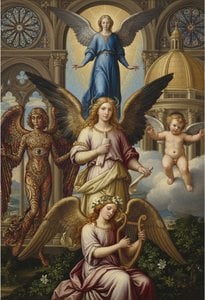
A Dream Weaver of Symbolism: The Life and Art of Gustave Moreau
Gustave Moreau, meno známy ako Gustave Moreau, bol francúzsky maliar, ktorý sa stal jedinečnou osobitosťou 19. storočia. Narodil sa v roku 1826 v Paríži do buržoáznej rodiny – jeho otec bol architekt a archivár. Jeho rané roky boli hlboko zakorenené v intelektuálnej zvedavosti a estetickej citlivosti. Už od útleho veku preukazoval pozoruhodný talent v kreslení, ktorý bol podporeny tradičnou akademickou výučbou na École des Beaux-Arts pod vedením osobností ako François-Édouard Picot. Avšak Moreauova umelecká cesta sa výrazne odlišila od vládnych Realistických a Impresionistických prúdov jeho času. Nebol zaujímal zachytávanie mihotavých okamihov alebo objektívnej reality; namiesto toho hľadal uvoľnenie skrytých oblastí mytológie, religiozných náboženskostí a ľudskej psychiky prostredníctvom hlboko osobného a symbolického vizuálneho jazyka. Jeho cesta bola jednou z vnútornej explorácie, prekladajúcej subjektívne emócie a duchovné túžby na plátno s obsesívnou pozornosťou k detailom a živou, často opulentnou paletou farieb. Moreau sa nevenoval len jednoduchému zobrazovaniu; jeho cieľom bolo vytvoriť obrazy, ktoré by vyvolávali emócie a spúšťali diváka do sveta plného symboliky a podtónu.
The Forge of Imagination: Influences and Artistic Development
Moreauova umelecká tvorba nezačala v próze. Hoci odmietal dominantné trendy svojej éry, čerpal inšpiráciu z rôznych zdrojov. Dramatické použitie farieb a exotická téma námetov, ktoré sa nachádzali v dielach Eugéna Delacroix, ho hlboko oslovili, čo vyvolalo vášeň pre rozprávacie maľby naplnené emocionálnou intenzitou. Často sa odkazoval na majstrovské diela renesančných umelcov ako Michelangelo a Leonardo da Vinci, obdivujúc ich zručnosť v kompozícii, anatómia a psychologický hlboký ponor. Napriek tomu Moreau nebol len napodobiteľom týchto umelcov; spájal ich vplyvy do niečoho úplne nového. Jeho cesty do Talianska v 50-tych rokoch 19. storočia boli zásadné, čo ho ponorilo do umenia antiky a renesancie, poskytli mu bohaté motívy a štýlové vodítka, ktoré by povoľovali jeho budúcim dielom. Dôsledne kopíroval staroveké maľby majstrov, nie ako cvičenie v napodobňovaní, ale ako prostriedok na získanie ich techník a odhalenie ich tajomstiev. Táto oddanosť remeslu, kombinovaná s jeho rastúcim záujmom o mytológiu a literatúru, položila základy pre jeho jedinečnú umeleckú vizií. Moreau sa venoval aj štúdiu diela talianskych majstrov, ako napríklad Botticelliho *Primavera*, ktorá ho výrazne ovplyvnila.
A World of Symbols: Themes and Techniques
Moreauove maľby nie sú len ilustrácie mytologických alebo biblických príbehov; sú to komplexné alegorie, ktoré podnecujú rozvoj a interpretáciu. Hlboko sa ponoril do príbehov ako tých z Salome, Orfeus, Jupiter a Semele a množstva ďalších, nie na doslovné opakovanie, ale na preskúmanie ich základných psychologických a duchovných pravd. Jeho plátna sú plné symbolického obrazu – zmienky o smrteľnosti predstavujúce pokušenie, drahokamy reprezentujúce hmotné túžby a postavy vyjadrujúce abstraktné koncepty ako smútok, strata alebo záchranu. Mistorne vytváralý irídlovú atmosféru prostredníctvom detailu, bohatých textúr a často znepokojujúcej juxtaposície svetla a tieňa. Moreauova technika sa vyznačovala dôsledným vrstvením farieb, čím vytvárala povrchy, ktoré žiaria s irídy a evokujú pocit nadprirodenej krásy. Jeho použitie zlatého prstenca ďalej zvýrazňoval tento efekt, čo dodával jeho dielom byzantský nádych, ktorý zdôrazňoval ich duchovný rozmer. Nebol zaujímal zachytávanie realistických textúr alebo perspektív; namiesto toho sa sústavil na expresívne síce farieb a tvarov, aby vyjadril náladu a význam.
Notable Achievements and Legacy
Moreau bol uznávaný ako jeden z najvýznamnejších symbolistických umelcov 19. storočia. Jeho dielo malo značný vplyv na vývoj symbolizmu a jeho prácou boli inšpirovaní mnohí umelci, vrátane Henriho Matissa a Georgea Rouaulta. Moreau bol profesorom na École des Beaux-Arts, kde významne ovplyvnil generácie študentov. Podnecoval svojich žiakov, aby prijali predstavivosť, symbolizmus a individuálny výraz, povzbudzujúc ich, aby sa oslobodili od konvenčných umeleckých noriem. Jeho dielo je dnes vystavené v Musée Gustave Moreau v Paríži, kde si návštevníci môžu ponoriť do fascinujúceho sveta tohto výnimočného umelca.
Notable Works
- Salome Dancing before Herod: Možno jeho najznámejšia práca, táto maľba ukazuje Moreauovu opulentnú štýl a fascináciu biblickými príbehami.
- Jupiter and Semele: Dramatické znázornenie gréckeho mytu, ktoré demonštruje Moreauovu zručnosť v kompozícii a farbách.
- Orpheus: Viaceré maľby Moreaua skúmajú mytológii Orfeus, čo odráža témy straty, smútku a umeleckej inšpirácie.
- The Apparition: Demonstruje jeho zručnosť v vytváraní irídlových a nadprirodzených scén.
- Desdemona: Pohnutý portrét tragickej hrdinky Shakespearea.



 Náhľad
 Prepnúť na tlač
 Odoslať
 Zdieľať
 Podrobnosti o dielo

 Stiahnuť
 Podobné diela
 RTG skúška
 Prezentácia
 Štatistiky
 Zobraziť viac






































 Možnosť skla je dostupná len pri rozmeroch pod 110 cm