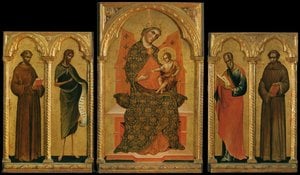
Giovanni da Milano: Most a prelúdiu renesancie
Giovanni da Milano, meno jemne rezonujúce v análoch predrenesančného umenia, predstavuje kľúčový moment talianskej maľovby – most medzi pôvabnou lírikou gotického obdobia a čoskoro narastajúcou naturalizmom, ktorý by definoval renesanciu. Narodil sa ako Giovanni di Jacopo di Guido da Caversaccio v Lombardy okolo roku 1346, jeho umelecká cesta sa odohrávala predovšetkým vo živom kultúrnom prostredí Florencie počas obdobia obrovských zmien a inovácií. Hoci bol jeho život tragicky skrátený do roku 1369, zanechal za sebou relatívne malú, no hlboko vplyvnú tvorbu. Giovanniho prínos k vývoju talianskej maľby je nepopierateľný. Najstaršia zdokumentovaná stopa jeho prítomnosti sa objavuje vo florentských záznamoch z 17. októbra 1346, kde je uvedený ako Johannes Jacobi de Commo medzi zahraničnými maliarmi žijúcimi v Toskánsku – dôkaz magnetického pôvabu Florencie na umelcov hľadajúcich nové príležitosti a prosperujúce umelecké prostredie. Toto presťahovanie naznačuje úmyselnú snahu o postup, opustenie lombardského pôvodu, aby sa ponoril do srdca umeleckých inovácií.
Ozvena Giotta: Štýl a vplyvy
Štýl Giovanniho da Milana je neoddeliteľne spojený s Giottom di Bondoneom, revolučným umelcom, ktorý už desaťročia začal búrať konvencie stredovekej maľby. Nebol však len kopírovačom; skôr absorboval Giottove inovácie – dôraz na naturalistickú reprezentáciu, emocionálnu expresívnosť a priestorovú hĺbku – a prefiltroval ich cez svoju vlastnú umeleckú citlivosť. Jeho obrazy demonštrujú jasný pokus prekonať štýlizované postavy a sploštené perspektívy gotického umenia, namiesto toho sa snažia o väčšiu dávku realizmu pri zobrazovaní ľudských foriem a prenášaní skutočných emócií prostredníctvom výrazov tváre a gest. Táto snaha je zreteľná v starostlivom modelovaní záhybov, jemných odtieňoch svetla a tieňa a celkovom pocite hmoty a objemu, ktorý charakterizuje jeho postavy. Nebol izolovaný; Giovanni spolupracoval s ďalšími významnými umelcami svojej doby, vrátane Giottina – vlastného syna Giotta – a synov Taddea Gaddiho, čím sa ďalej vystavoval špičkovým umeleckým prístupom a prispieval k svojmu jedinečnému videniu. Tieto spolupráce podporovali dynamickú výmenu nápadov, ktorá formovala jeho osobitý štýl. Hoci bol hlboko dlžný Giottovi, Giovanni odhaľuje aj náznaky sienézskeho vplyvu, najmä vo svojom jemnom používaní farieb a rafinovaných detailoch, čo naznačuje širšie zapojenie do rôznych umeleckých prúdov cirkulujúcich po celej Taliansku.
Výtvory a umelecké dedičstvo
Hoci bola jeho kariéra krátka, Giovanni da Milano zanechal za sebou niekoľko významných diel, ktoré prezentujú jeho vyvíjajúci sa štýl a technické schopnosti.
Ognissanti Polyptych, konkrétne jeho bočné panely umiestnené v Galleria degli Uffizi vo Florencii, predstavuje príklad jeho zrelého diela. Dôraz na detail v tomto náboženskom kontexte je pôsobivý a demonštruje jeho schopnosť vnášať do svätých tém pocit ľudskej dôstojnosti a emocionálnej rezonancie. Medzi ďalšie pozoruhodné diela patrí
Madona s dieťaťom a darcami, úžasné majstrovské dielo z raného obdobia renesancie, ktoré stelesňuje naturalizmus a zbožnú krásu v lombardskom umení, a dojímavá
Svätý František z Assisi, ktorá sa vyznačuje pokojnou kompozíciou, zemitémi tónmi a symbolickou hĺbkou.
Korunácia Panny Márie, obraz v olejových farbách zobrazujúci rozsiahle detaily a symbolickú krásu, ďalej upevňuje jeho miesto v umeleckej krajine obdobia. Jeho fresky v kaplnke Rinucciniho v Santa Croce vo Florencii – najmä tie, ktoré zobrazujú scény zo života Panny Márie a Márii Magdalény – odhaľujú majstrovskú zručnosť v naratívnej kompozícii a expresívnej figúrnosti.
Prechodná postava
Giovanniho da Milana historický význam spočíva v jeho úlohe kľúčovej prechodnej postavy v rámci predrenesančného obdobia. Nebol revolucionárom ako Giotto, ale majstrovsky syntetizoval existujúce umelecké tradície a zároveň jemne posúval hranice smerom k väčšiemu naturalizmu a emocionálnej hĺbke. Pomohol pripraviť cestu pre neskorších renesančných umelcov tým, že demonštroval silu pozorovania, dôležitosť ľudských emócií a potenciál maľby na prenášanie zložitých príbehov. Jeho dielo stelesňuje sa meniacej umeleckej krajiny 14. storočia v Taliansku – obdobia vyznačujúceho sa rastúcou záujmom o klasickú antiku, obnoveným dôrazom na humanizmus a postupným odklonom od prísnych konvencií stredovekého umenia. Hoci bol jeho život tragicky skrátený, Giovanniho da Milano dedičstvo pretrváva ako svedectvo o sile umeleckých inovácií a trvalej príťažlivosti krásy, viery a ľudského vyjadrenia. Jeho obrazy naďalej očarúvajú divákov svojou jemnou gráciou, emocionálnou intenzitou a hlbokou duchovnou rezonanciou, ponúkajú pohľad do kľúčového momentu v dejinách západného umenia.
Ďalšie možnosti na preskúmanie
- Múzeum San Giovanni v Sieni: Umiestňuje pôsobivú zbierku vrátane diel Giovanniho da Milana spolu s umelcami ako Lorenzo Ghiberti a Domenico di Pace Beccafumi.
- Metropolitné múzeum umenia: Ponúka „Madonu s dieťaťom a darcami“, ktoré poskytuje vhľad do jeho štýlu a techniky.
- Web Gallery of Art (WGA): Poskytuje komplexnú biografie a prístup k digitalizovaným obrazom jeho diel.



 Zobraziť v interiéri
 Objednať ručne maľovanú reprodukciu
 Odoslať
 Zdieľať
 Podrobnosti
 Príručkovo

 Stiahnuť
 Podobné položky
 RTG skúška
 Prehliadanie diapo\]
 Štatistiky


 Prečítať si viac






































 Možnosť skla je dostupná len pri rozmeroch pod 110 cm