BEZPLATNÉ UMENÍCKE PORADENSTVO

x
Objednať reprodukciu Objednať reprodukciuKúpiť digitálnu verziu Kúpiť digitálnu verziu OdoslaťOdoslať
PodrobnostiPodrobnosti Pridať do obľúbených Pridať do obľúbených StiahnuťStiahnuť Podobné dielaPodobné diela RTG skúškaRTG skúška PrezentáciaPrezentácia

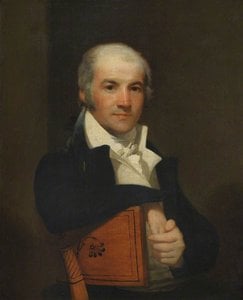
Washington Allston

Experience Neoclassical elegance with Gilbert Stuart's masterful 1819 portrait of Washington Allston, capturing profound intellectual contemplation for your collection.

Gilbert Stuart (1755-1828): Najvýznamnejší americký portrétista! Poznájte jeho nekلاسicistký štýl, ikonické obraz George Washingtona na dolárovom pokoji a jeho odkázanie v americkom umení.

Giclée / Umenotlač

Giclée tlač alebo plátno múzeálnej kvality s rýchlou výrobou a flexibilnými možnosťami povrchovej úpravy.

P118B $10
P118H $10
P118W $10
P438Z $10
P508JH $12
P508YH $12
P805H $10
P805Z $10
P919BZ $10
P919G $10
P919XJ $10
P959ZH $10
P968JZ $12
W106C $8
W218G $10
W218JH $8
W218Y $10
W307PJ $10
W316G $10
W316PJ $8
W316Y $10
W398PJ $8
W4111J $10
W500HY $15
W500JH $15
W692G $12
W849H $8
W940BG $15
W953PJ $8

Standard
custom
CM
INCH

Vyberte si z našich preddefinovaných rozmerov, ktoré zodpovedajú pôvodným pomeroḿ diela.

šírka
výška

Môžete zadať vlastné rozmery, aby sa reprodukcia prispôsobila konkrétnemu rámu alebo priestoru. Ak zvolená veľkosť nebude zodpovedať proporciám originálu, dielo buď orežeme, alebo obraz rozšírime pomocou zrkadlenia či farebného doplnenia okrajov. Pred začatím výroby vám pošleme digitálnu ukážku na schválenie.
Máte na vedomí, že náhľad na obrazovke neodzrkadľuje skutočné orezanie alebo rozšírenie. Len digitálna ukážka presne zobrazí finálnu kompozíciu.
Hoci sú k dispozícii vlastné rozmery, pre zachovanie pôvodných proporcií odporúčame vybrať si rozmer z vopred definovaného zoznamu.

Celosvetová doprava () do 2 týždňov namiesto štandardných 4/5 týždňov. (6 júl)

why_choose_icon
Bezplatná expresná doprava po celom svete
why_choose_icon
Prémiové lnianske plátno
why_choose_icon
Kompletné poistenie prepravy
why_choose_icon
Záruka vrátenia colného poplatku
why_choose_icon
Záruka presného farebného zhodnutia
why_choose_icon
60-dňá politika vrátenia (iba pri defektoch)
why_choose_icon
100% záruka vrátenia peňazí
why_choose_icon
Výhodná množstevná zľava

Celková cena

-

reproduction

Washington Allston

Giclée / Umenotlač

Veľkosť reprodukcie

-

Celková cena za vybrané možnosti

-

Základné informácie

  • Subject or theme: Portrait of Washington
  • Influences: Benjamin West
  • Location: Private Collection
  • Medium: Oil on canvas
  • Year: 1819
  • Artist: Gilbert Stuart
  • Title: Washington Allston

Kvíz o umení

Pri každej otázke je iba jedna správna odpoveď.

Otázka 1:
What artistic movement is Gilbert Stuart associated with?
Otázka 2:
Where did Gilbert Stuart receive significant training in painting?
Otázka 3:
What is the primary subject matter of Washington Allston's portrait?
Otázka 4:
What prominent American painter mentored Gilbert Stuart during his time in London?
Otázka 5:
The image description highlights a specific feature of the painting – what is it?

Popis predmetu

Gilbert Stuart’s Reverent Portrait of Washington Allston

Gilbert Stuart, arguably America's foremost portrait painter during the early 19th century, achieved unparalleled renown for his ability to capture not just likeness but also character—a skill brilliantly demonstrated in his depiction of Washington Allston. Completed in 1819, this monumental canvas transcends mere representation; it embodies a profound admiration for the statesman and an exploration of philosophical contemplation. The painting’s enduring appeal lies in its masterful execution and subtle layering of meaning. ### Subject Matter & Composition The portrait portrays Washington Allston, a celebrated poet and philosopher known for his mystical explorations of nature and spirituality. Stuart meticulously rendered Allston's face with remarkable precision—brown hair neatly combed back, spectacles perched on his nose, and a thoughtful gaze directed outwards. The inclusion of a mustache adds to the sitter’s dignified appearance, conveying an air of intellectual seriousness. Notably, Stuart positioned Allston within a stark white frame that isolates him against a muted background, emphasizing his central importance and drawing the viewer's eye directly to his countenance. This compositional choice underscores Allston’s contemplative stance—a man wrestling with profound questions about existence and beauty. ### Artistic Style & Technique – Neoclassical Elegance Stuart’s style firmly anchors itself within the Neoclassical movement, a reaction against the excesses of Rococo art that favored ornamentation and frivolity. Unlike its predecessors, Neoclassicism prioritized clarity, restraint, and idealized forms—qualities perfectly realized in this portrait. Stuart employed oil paint on canvas with painstaking detail, utilizing glazing techniques to achieve luminous tonal gradations and subtle textures. The artist skillfully blended light and shadow to sculpt Allston’s face, conveying a palpable sense of depth and realism. Furthermore, the meticulous rendering of fabric folds contributes to the overall impression of elegance and refinement—characteristics emblematic of Stuart's artistic vision. ### Historical Context & Significance Painted during a period of burgeoning American nationalism, “Washington Allston” reflects the values of reason and virtue championed by Enlightenment thinkers. Stuart’s portrait served as a powerful symbol of intellectual aspiration and moral integrity—traits considered essential for shaping the nation’s future. The painting's commission underscores the importance placed on honoring prominent figures who embodied ideals of leadership and erudition. It stands as a testament to Stuart’s ability to capture not only physical likeness but also the spirit of his subject, cementing Allston’s legacy as one of America’s most influential thinkers. ### Emotional Impact & Legacy Beyond its technical brilliance, “Washington Allston” resonates with viewers on an emotional level—inspiring contemplation and conveying a sense of serene dignity. Stuart's masterful portrayal captures Allston's inner life—his gaze imbued with thoughtfulness and introspection. The painting continues to captivate audiences today, serving as a reminder of the enduring power of art to illuminate human experience. Its meticulous detail and luminous palette exemplify Stuart’s artistic prowess, ensuring that “Washington Allston” remains an iconic masterpiece for generations to come.

Biografia umelca

Gilbert Stuart (1755–1828): America's Foremost Portraitist

Gilbert Stuart (1755 – 1828) remains one of the most celebrated figures in American art history, primarily recognized for his unparalleled mastery of portraiture and his indelible contribution to documenting the formative years of the United States. His legacy extends far beyond mere likenesses; Stuart’s canvases encapsulate the spirit of an era—the optimism of republican ideals mingled with anxieties about national identity—making him a pivotal voice in shaping America's visual culture. ### Early Life and Training Gilbert Charles Stuart was born December 3, 1755, in Saunderstown, Rhode Island – a village nestled within the larger North Kingstown County. His familial roots traced back to Scottish immigrants who established the first snuff mill in Rhode Island, shaping his early exposure to entrepreneurial spirit and craftsmanship. From a young age, Stuart demonstrated exceptional artistic talent, capturing intricate details with remarkable precision even as a child. At fourteen, he produced “Dr. Hunter’s Spaniels,” an artwork that immediately signaled his burgeoning potential and foreshadowed the monumental achievements that would characterize his career. Recognizing this innate aptitude for drawing, Cosmo Alexander, a Scottish artist who traveled extensively, took on Stuart as his pupil around 1769, fostering foundational skills in composition and technique. This formative period instilled in Stuart a deep appreciation for classical aesthetics—a sensibility that would profoundly influence his artistic style throughout his life. ### Artistic Career and Major Works Stuart’s professional trajectory encountered significant obstacles during the American Revolution, compelling him to relocate to England in 1775. Despite facing hardship and uncertainty amidst turbulent political times, Stuart persevered, securing commissions from prominent patrons and establishing himself as a respected artist within London's Royal Academy. His breakthrough came with “The Skater” (1782), an evocative portrait that cemented his reputation for capturing both physical appearance and psychological nuance—a hallmark of Stuart’s distinctive approach. However, it was the unfinished portrait of George Washington – known universally as the Athenaeum Portrait – that truly catapulted Stuart to artistic immortality. Begun in 1796 and never completed to Stuart's satisfaction, this monumental canvas became an emblem of American aspiration and leadership, appearing on U.S. currency and postage stamps for over a century. Stuart produced numerous copies of this portrait—over seventy—catering to collectors across America and Europe—a testament to its enduring appeal and Stuart’s unwavering dedication to his craft. Beyond Washington, Stuart painted portraits of luminaries such as John Adams, Thomas Jefferson, James Madison, and many influential figures from the Federalist elite, solidifying his position as America's foremost portraitist. His style was characterized by a deliberate blending of European artistic conventions with uniquely American sensibilities—a fusion that resulted in images imbued with both grandeur and profound psychological insight. ### Influences and Development Stuart’s artistic development benefited immensely from the mentorship of Cosmo Alexander, who imparted invaluable knowledge regarding compositional principles and artistic execution. Equally significant was Benjamin West's influence, shaping Stuart’s understanding of portraiture as a genre and fostering his appreciation for classical ideals—particularly those championed by Neoclassicism. The movement itself—with its emphasis on idealized forms derived from Greco-Roman antiquity—provided Stuart with a conceptual framework that underpinned his artistic vision. Crucially, Stuart's own meticulous observation of his subjects—his ability to discern not merely physical likeness but also character and inner life—contributed decisively to the remarkable depth and realism achieved in his portraits. He sought to convey something more than just an image; he aimed to capture the essence of his sitter’s personality—a goal that distinguishes Stuart's oeuvre from many of its contemporaries. ### Historical Significance and Legacy Gilbert Stuart stands as a cornerstone of American art history, playing an indispensable role in documenting the formative years of the United States through exquisitely rendered portraits. The Athenaeum Portrait of George Washington transcends mere representation; it embodies the nation’s ideals of republican virtue and dignified leadership—a symbol that continues to resonate powerfully today. Stuart's artistic legacy extends far beyond individual artworks—it encompasses a distinctive American style of portraiture that established itself as a dominant aesthetic during the late 18th and early 19th centuries. His canvases are housed in major museums across America and Europe, ensuring that his contribution to visual culture will endure for generations to come.
Gilbert Stuart

Gilbert Stuart

1755 - 1828 , Spojené království

Základné informácie

  • Artistic Movement Or Style: Neoklasicizmus
  • Artists Who Influenced This Artist:
    • Cosmo Alexander
    • Benjamin West
  • Date Of Birth: 3. december 1755
  • Full Name: Gilbert Charles Stuart
  • Nationality: Američan
  • Notable Artworks:
    • George Washington (The Athenaeum Portrait)
    • John Adams
  • Place Of Birth: Saunderstown, Rhode Island
Preskúmajte umelecká diela usporiadané podľa tém, štýlov a charakteristík.