BEZPLATNÉ UMENÍCKE PORADENSTVO

x
Kúpiť tlač Kúpiť tlačObjednať reprodukciu Objednať reprodukciu OdoslaťOdoslať
PodrobnostiPodrobnosti Pridať do obľúbených Pridať do obľúbených StiahnuťStiahnuť Podobné dielaPodobné diela RTG skúškaRTG skúška PrezentáciaPrezentácia

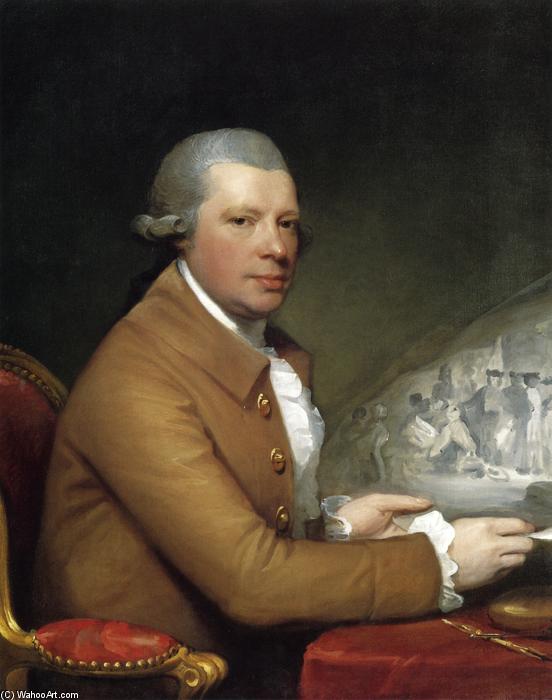
John Hall

A contemplative 1783 portrait of John Hall by Neoclassical master Gilbert Stuart captures the dignified essence of the late 18th century through masterful light and shadow, inviting you to explore this timeless piece.

Gilbert Stuart (1755-1828): Najvýznamnejší americký portrétista! Poznájte jeho nekلاسicistký štýl, ikonické obraz George Washingtona na dolárovom pokoji a jeho odkázanie v americkom umení.

Kúpte si digitálnu snímku vo vysokom rozlíšení s vylepšenými detailmi, ktorá je oveľa kvalitnejšia než online náhľad.

Každý súbor starostlivo pripravujú naši interní špecialisti pomocou pokročilých nástrojov a odborného manuálneho retušovania. Zabezpečujeme, aby každý obrázok disponoval výnimočnou čistotou, presnou farebnou vernosťou a jemnými detailmi.

Konečný súbor vám bude doručený e-mailom do 72 hodín, optimalizovaný pre okamžité použitie v profesionálnom, redakčnom aj tlačovom prostredí. Ide o rovnakú kvalitu, ktorej dôverajú špičkové dizajnérske štúdiá, vydavateľstvá a galérie.

Digitálny obraz

Stiahnite si vysokorozlíšený súbor na osobné zobrazovanie, tlačenie a kreatívne projekty.

Celková cena

$9.99

Súčasťou každej objednávky digitálneho obrazu

Expetórne digitálne doručenie, garantované

Keď si vyberiete WahooArt.com, nedostávate len obrázok – získate profesionálne upravené digitálne umenie, vytvorené s precíznosťou a so zárukou vašej maximálnej spokojnosti. Tu je všetko, čo je súčasťou vašej objednávky automaticky:

shipping_icon
Rýchle doručenie e-mailom

Vaša vysokorozlíšená digitálna súprava obrázkov vám bude zaslaná e-mailom do 72 hodín od objednávky – pripravená na okamžité použitie.

canvas_icon
Digitálny súbor s vylepšením AI

Vaše dielo je profesionálne optimalizované pomocou pokročilých nástrojov umelej inteligencie a manuálnej editácie, čo zaručuje maximálnu úroveň detailov, čistotu a presnosť farieb.

insurance_icon
Bezplatné celoživotné opätovné doručenie

Náhodou ste zmazali alebo ste stratili svoj súbor? Nebavžte sa – pošleme vám ho kedykoľvek znova, úplne bez poplatkov.

tax_icon
Bez poplatkov za dovoz – navždy

Užite si svoje umelodelo okamžite bez colných poplatkov, daní alebo nákladov na dopravu – digitálne stiahnutia sú vždy oslobodené od dane.

color_icon
Garantovaná presnosť farieb

Pomocou profesionálnych nástrojov a farebného manažmentu zabezpečujeme, aby vaša digitálna fotografia čo najpresnejšie odrážala pôvodné farby.

return_icon
60-dňová záruka spokojnosti

Ak nebudete spokojní so svojou digitálnou fotografiou, upravíme ju alebo vám vrátime 100% v priebehu 60 dní – bez zbytočných otázok.

guarantee_icon
100% Záruka vrátenia peňazí

Nie ste spokojní? Získajte plnú náhradu peňazí do 60 dní od prijatia vášho digitálneho súboru – bez zbytočných otázok.

discount_icon
Zľavy pri veľkom odbere

Kúpte si 3 obrazy, ušetrite 10% - Kúpte si 5, ušetrite 15% - Kúpte si 10+, ušetrite 20%. Ideálne pre kreatívne projekty, galérie a agentúry.

Základné informácie

  • Artist: Gilbert Stuart
  • Title: John Hall
  • Year: 1783
  • Movement: Neoclassicism
  • Notable elements or techniques: Realistic detail, subtle light and shadow

Popis zberateľského predmetu

A Moment Frozen in Time: The Quiet Dignity of John Hall

In the soft, flickering light of the late eighteenth century, Gilbert Stuart captured more than just a likeness; he captured a soul in contemplation. His portrait of John Hall serves as a profound window into an era defined by elegance, intellect, and the burgeoning identity of the American spirit. As we gaze upon this masterpiece, we are not merely looking at a man seated at a table, but rather witnessing a quiet, private moment of scholarly devotion. The subject, draped in the sophisticated attire of 1783, sits with a gravity that commands respect, his presence anchored by the rich, crimson textures of the cloth beneath him and the weight of the manuscript held within his hands.

The artistry of Stuart is on full display through his masterful command of light and shadow. Utilizing a technique that breathes life into the canvas, he employs subtle transitions of tone to sculpt the features of Hall’s face, lending a remarkable three-dimensionality to the portrait. The way the light catches the gold buttons of his brown coat and illuminates the delicate ruffles of his white collar creates a sensory experience for the viewer, making the textures of silk, wool, and paper feel almost tangible. This interplay of chiaroscuro—the dramatic contrast between the dark, receding background and the luminous subject—ensures that all focus remains fixed upon the man’s thoughtful expression, drawing the observer into his silent world of reflection.

The Elegance of Neoclassicism and Historical Resonance

As a leading figure of the Neoclassical movement, Gilbert Stuart brought a sense of order, clarity, and idealized realism to his portraiture. In John Hall, we see the hallmarks of this period: a focus on dignity, a restrained color palette, and an emphasis on the character of the sitter. The subject’s attire—the powdered hair and formal coat—speaks to the social hierarchies and the refined aesthetic standards of the post-Revolutionary era. There is a profound sense of historical continuity in this work; it represents a time when portraiture was the ultimate medium for documenting status, intellect, and the enduring legacy of the individual.

For the discerning collector or interior designer, this painting offers an unparalleled opportunity to introduce a sense of timeless sophistication into a space. The deep, warm tones of the composition possess a versatile emotional resonance, capable of anchoring a formal study, adding depth to a classic library, or providing a focal point of quiet strength in a contemporary living area. A high-quality reproduction of this work does more than decorate a wall; it invites a conversation about history, art, and the enduring power of the human gaze. To possess such a piece is to hold a fragment of the eighteenth century, bringing the scholarly grace of Stuart’s era into the modern home.


Životopis umelca

Gilbert Stuart (1755–1828): America's Foremost Portraitist

Gilbert Stuart (1755 – 1828) remains one of the most celebrated figures in American art history, primarily recognized for his unparalleled mastery of portraiture and his indelible contribution to documenting the formative years of the United States. His legacy extends far beyond mere likenesses; Stuart’s canvases encapsulate the spirit of an era—the optimism of republican ideals mingled with anxieties about national identity—making him a pivotal voice in shaping America's visual culture. ### Early Life and Training Gilbert Charles Stuart was born December 3, 1755, in Saunderstown, Rhode Island – a village nestled within the larger North Kingstown County. His familial roots traced back to Scottish immigrants who established the first snuff mill in Rhode Island, shaping his early exposure to entrepreneurial spirit and craftsmanship. From a young age, Stuart demonstrated exceptional artistic talent, capturing intricate details with remarkable precision even as a child. At fourteen, he produced “Dr. Hunter’s Spaniels,” an artwork that immediately signaled his burgeoning potential and foreshadowed the monumental achievements that would characterize his career. Recognizing this innate aptitude for drawing, Cosmo Alexander, a Scottish artist who traveled extensively, took on Stuart as his pupil around 1769, fostering foundational skills in composition and technique. This formative period instilled in Stuart a deep appreciation for classical aesthetics—a sensibility that would profoundly influence his artistic style throughout his life. ### Artistic Career and Major Works Stuart’s professional trajectory encountered significant obstacles during the American Revolution, compelling him to relocate to England in 1775. Despite facing hardship and uncertainty amidst turbulent political times, Stuart persevered, securing commissions from prominent patrons and establishing himself as a respected artist within London's Royal Academy. His breakthrough came with “The Skater” (1782), an evocative portrait that cemented his reputation for capturing both physical appearance and psychological nuance—a hallmark of Stuart’s distinctive approach. However, it was the unfinished portrait of George Washington – known universally as the Athenaeum Portrait – that truly catapulted Stuart to artistic immortality. Begun in 1796 and never completed to Stuart's satisfaction, this monumental canvas became an emblem of American aspiration and leadership, appearing on U.S. currency and postage stamps for over a century. Stuart produced numerous copies of this portrait—over seventy—catering to collectors across America and Europe—a testament to its enduring appeal and Stuart’s unwavering dedication to his craft. Beyond Washington, Stuart painted portraits of luminaries such as John Adams, Thomas Jefferson, James Madison, and many influential figures from the Federalist elite, solidifying his position as America's foremost portraitist. His style was characterized by a deliberate blending of European artistic conventions with uniquely American sensibilities—a fusion that resulted in images imbued with both grandeur and profound psychological insight. ### Influences and Development Stuart’s artistic development benefited immensely from the mentorship of Cosmo Alexander, who imparted invaluable knowledge regarding compositional principles and artistic execution. Equally significant was Benjamin West's influence, shaping Stuart’s understanding of portraiture as a genre and fostering his appreciation for classical ideals—particularly those championed by Neoclassicism. The movement itself—with its emphasis on idealized forms derived from Greco-Roman antiquity—provided Stuart with a conceptual framework that underpinned his artistic vision. Crucially, Stuart's own meticulous observation of his subjects—his ability to discern not merely physical likeness but also character and inner life—contributed decisively to the remarkable depth and realism achieved in his portraits. He sought to convey something more than just an image; he aimed to capture the essence of his sitter’s personality—a goal that distinguishes Stuart's oeuvre from many of its contemporaries. ### Historical Significance and Legacy Gilbert Stuart stands as a cornerstone of American art history, playing an indispensable role in documenting the formative years of the United States through exquisitely rendered portraits. The Athenaeum Portrait of George Washington transcends mere representation; it embodies the nation’s ideals of republican virtue and dignified leadership—a symbol that continues to resonate powerfully today. Stuart's artistic legacy extends far beyond individual artworks—it encompasses a distinctive American style of portraiture that established itself as a dominant aesthetic during the late 18th and early 19th centuries. His canvases are housed in major museums across America and Europe, ensuring that his contribution to visual culture will endure for generations to come.
Gilbert Stuart

Gilbert Stuart

1755 - 1828 , Spojené království

Základné informácie

  • Artistic Movement Or Style: Neoklasicizmus
  • Artists Who Influenced This Artist:
    • Cosmo Alexander
    • Benjamin West
  • Date Of Birth: 3. december 1755
  • Full Name: Gilbert Charles Stuart
  • Nationality: Američan
  • Notable Artworks:
    • George Washington (The Athenaeum Portrait)
    • John Adams
  • Place Of Birth: Saunderstown, Rhode Island