A Roman Genius: The Life and Legacy of Gian Lorenzo Bernini
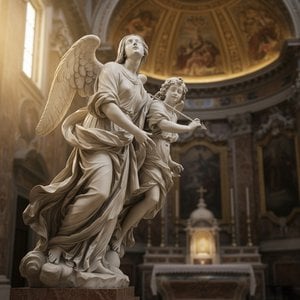
Gian Lorenzo Bernini, tiež Giovanni Lorenzo Bernini (* 7. december 1598, Neapol – † 28. november 1680, Rím), bol nesporne najvýznamnejší taliansky barokový sochár, architekt a maliar storočia XVII. Pre mnohých je Berniniho meno synonymom pre vrcholný barok, obdobie charakterizované dynamikou, intenzívnou emóciou a monumentálnosťou. Jeho diela nie sú len sochy; vytesali do mramoru živý pohyb, evokovali hlboké psychologické zážitky a dramatické príbehy s nevídanouma schopnosťami. Na rozdiel od renesančnej scény, ktorá uprednostňovala ideálnu formu a statickú krásu, Bernini sa uchýlil k pohybu, divadelnosti a čistej sile ľudských emócií. Jeho diela prešli za hranice jednoduchého znázorňovania a nútili diváka k silnému emocionálnemu odpovediu. Kľúčové prvky jeho jedinečného štýlu zahŕňajú mistrovskú schopnosť vyjadrovať komplexné emócie prostredníctvom výrazov tvara a postavy, úžasnú technickú zručnosť, ktorá mu umožnila s ohromujúcou realistickou presnosťou zachytiť textúry – prúdové vlasy, jemné látky, hladkú pokožku, a predovšetkým záväzne oddanie dramatickému príbehu, zobrazujúc momenty intenzívneho činu alebo duchovného vrcholu. Jeho najikonickejšie dielo, *Ekstázia svätej Terézie*, umiestnené v kaplnke Cornaro v Bazilike svätého Petra, je dokladom tejto schopnosti – chaotická kompozícia z mramoru, bronzu a svetla, ktorá zachytáva mystický zážitok s takmer ohromujúcou silou. Diela ako *Apollo a Dafne* a *David* demonštrujú túto istú dynamickú energiu, premenujúc kameň na krátke momenty transformácie a napätia.
Sculpting Emotion: The Birth of Baroque Drama
Bernini je bezpochybne najvýznamnejší barokový sochár storočia, štýl charakterizovaný dynamikou, intenzívnou emóciou a monumentálnosťou. On sám nebol len sochař; vytesával do mramoru život, zachyťoval hlboké psychologické zážitky a dramatické príbehy s nevídanou presnosťou. Na rozdiel od renesančnej scény, ktorá uprednostňovala ideálnu formu a statickú krásu, Bernini sa uchýlil k pohybu, divadelnosti a čistej sile ľudských emócií. Jeho diela prešli za hranice jednoduchého znázorňovania a nútili diváka k silnému emocionálnemu odpovediu. Kľúčové prvky jeho jedinečného štýlu zahŕňajú mistrovskú schopnosť vyjadrovať komplexné emócie prostredníctvom výrazov tvara a postavy, úžasnú technickú zručnosť, ktorá mu umožnila s ohromujúcou realistickou presnosťou zachytiť textúry – prúdové vlasy, jemné látky, hladkú pokožku, a predovšetkým záväzne oddanie dramatickému príbehu, zobrazujúc momenty intenzívneho činu alebo duchovného vrcholu. *Ekstázia svätej Terézie*, umiestnená v kaplnke Cornaro v Bazilike svätého Petra, je dokladom tejto schopnosti – chaotická kompozícia z mramoru, bronzu a svetla, ktorá zachytáva mystický zážitok s takmer ohromujúcou silou. Diela ako *Apollo a Dafne* a *David* demonštrujú túto istú dynamickú energiu, premenujúc kameň na krátke momenty transformácie a napätia.
Beyond Sculpture: Architecture and Urban Visions
Berniniho génius však presahoval hranice sochy. Bol to pozoruhodný umelec, ktorý významne prispel k architektúre a urbanistickému plánovaniu, zásadne meniaci tvár Ríma. Jeho architektonické návrhy nikdy neboli konštruované izolovane; vždy boli integrované s jeho sochami, čím vytvárali spoločné umelecké zážitky, ktoré rozmaznávali hranice medzi disciplínami. Monumentálny Baldacchino nad hlavným oltarom Baziliky svätého Petra je dôkazom tohto celistvého prístupu – obrovský bronzový zvonc, ktorý dominuje priestoru a priťahuje oko nahorá v úžase. Hrával tiež kľúčovú úlohu pri navrhovaní niekoľkých rímskych piazzou, ktoré premenil na živé verejné priestory. Fontána Štyroch riek v námestí Navona, s alegórickými postavami reprezentujúcimi hlavné rieky z rôznych častí sveta, je príkladom jeho schopnosti vytvárať dynamické a zapojujúce mestské prostredie. Jeho prácu na Bazilike svätého Petra, vrátane rozsiahlej kolonnády, ktorá obklopuje návštevníkov pri prúde k nej, dramaticky zmenila vzhľad baziliky a vytvorila pompézný ceremoniálny priestor vhodný pre srdce cirkvi.
A Lasting Influence: Bernini’s Historical Significance
Gian Lorenzo Bernini zásadne ovplyvnil priebeh západného umenia. Jeho inovatívny prístup k štvorným a jeho technická zručnosť stanovili barokový štýl ako dominantnú silu v európskom umení po viac než sto rokov, ovplyvnila generácie umelcových svojou dramatickou kompozíciou a technickou zručnosťou. Nebol len imitátorom klasických foriem; spájal ich s novým pocitom dynamiky a intenzívnej emócie, čím vytvoril niečo úplne originálne. Jeho integrácia štvorných, architektúry a maľby do celistvých umeleckých zážitkov stanovil nový štandard pre umelecké vyjadrovanie, demonštrovaný silou umenia zapájať všetky zmysly a vyvolať hlboké emócie. Ako Howard Hibbard elegantne poznamenáva, Berniniho dopad bol taký významný, že on sám stojí za "najväčšieho sochařa 17. storočia." Jeho diela naďalej inšpirujú úžas a obdiv, solidifikujúc jeho miesto medzi najdôležitejšími umelcami v histórii – skutočného *uomo universale*, ktorého dedičstvo sa dodnes prejavuje.
Family & Further Achievements
- Pietro Bernini: Gian Lorenzoho otec, sochař, ktorý poskytol skoré školenie a vedenie.
- Cardinál Scipione Borghese: Včasný patrón, ktorého povely umožnili Bernini rozvíjať svoj charakteristický štýl.
- Pápež Urban VIII: Berniniho najvýznamnejší patron, ktorý mu poskytol rozsiahle príležitosti pre architektonické a sochárske projekty v Ríme.
- Architektonické projekty: Okrem Baziliky svätého Petra navrhol Bernini aj kostoly ako Sant’Andrea al Quirinale a prispel k návrhu Palazzo Barberini.
- Divadelné návrhy: Bol tiež teatrálny režisér a scenograf, vytváral rozsiahle sady a stroje pre divadelné produkcie.



 Náhľad
 Prepnúť na tlač
 Odoslať
 Zdieľať
 Podrobnosti o dielo

 Stiahnuť
 Podobné diela
 RTG skúška
 Prezentácia
 Štatistiky


 Zobraziť viac






































 Možnosť skla je dostupná len pri rozmeroch pod 110 cm