Biografia umelca
Pionier Lumej Presnosti: Život a Umenie Georga Seurata
Georges Pierre Seurat, narodený v Paríži 2. decembra 1859, sa vynikal ako kľúčová postava prechodu od impresionizmu k modernému umeniu. Jeho krátka, no intenzívne zameraná kariéra revolucionalizovala maľbu prostredníctvom vývoja pointilistickej techniky, ktorá bola založená na vedeckých princípoch a neoblomnom úsilí o optickú pravdu. Seuratov príbeh je príbehom dôkladnej observácie, intelektuálnej rigoróznosti a hlbokej citlivosti k nuansám svetla a farieb – kvalít, ktoré ho odlišovali od jeho súčasníkov a naďalej očarujú publikum dodnes. Jeho skorý život, hoci sa zdá konvenčný, položil základy pre jeho budúce umelecké skúmanie. Rodina sa krátko po narodení presťahovala na Boulevard de Magenta a jeho otec, Antoine Chrysostome Seurat, bývalý právny úradník prešiel k spekuláciám s nehnuteľnosťami, poskytoval mladému Georgovi pohodlné prostredie, ktoré mu umožnilo prístup k umeleckej výchove. Začal formálnu prípravu v École Municipale de Sculpture et Dessin pod sochárom Justinom Lequienom a neskôr sa zapísal na prestížnu École des Beaux-Arts v roku 1878, kde študoval u Henriho Lehmanna. Tieto formatívne roky do neho vložili pevný základ tradičných techník, no už vtedy začala formovať sa jedinečná umelecká osobnosť – zmes jemnej citlivosti a vzrastúcej fascinácie systematickou analýzou.
Od Akadémických Koreňov k Chromoluminarizmu
Seuratov umelecký vývoj nebol náhlym skokom do inovácie, ale skôr postupnou evolúciou poháňanou intelektuálnou zvedavosťou a dôkladným experimentovaním. Spočiatku jeho diela odrážali akademické štandardy doby, preukazujúcc schopnosť kresby a rešpekt k etablovaným kompozičným princípom. Čoskoro však začal tieto konvencie spochybňovať a hľadať vedeckejší prístup k maľbe. Ponoril sa do rozvíjajúcej sa oblasti farebnej teórie, študoval diela vedcov ako Mi
Významné Diela a Umelecká Vízia
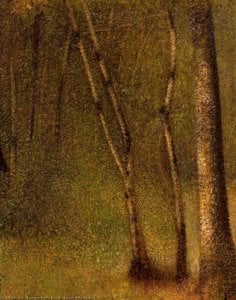
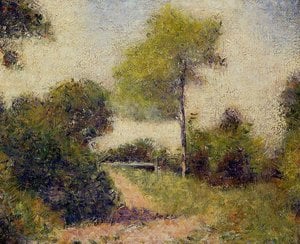
Stelesnením Seuratových výskumov a experimentovania je možno najlepšie zobrazené v A Sunday Afternoon on the Island of La Grande Jatte (1884-1886), monumentálnom diele, ktoré znamenalo začiatok neoimpresionizmu. Toto ikonické dielo zobrazujúce Parížanov, ktorí si užívajú príjemné popoludnie pri Seine, ukazuje jeho pointilistickú techniku v plnom rozsahu. Postavy, zobrazené ako starostlivo umiestnené bodky farieb, vyžarujú svetlo a pulzujú s energiou, vytvárajúc atmosféru pokojnej tichosti. Alfalfa, Saint-Denis (1886-1887) demonštruje jeho aplikáciu farebnej teórie na vidiecku krajinu, zatiaľ čo skoršie diela ako Landscape at Saint-Ouen (1882-1883) odhaľujú jeho vývojový štýl a rastúci záujem o zachytenie efektov svetla a atmosféry. Dokonca aj zobrazenia moderného parížskeho života, ako je The Eiffel Tower (1889), boli transformované prostredníctvom jeho jedinečnej techniky, ktoré spájajú harmonickú kombináciu industriálnej modernity a umeleckej inovácie. Bathers at Asnières (1884), ďalšie významné dielo, skúmalo témy voľného času a moderného života s jeho charakteristickým štýlom, čím predzeralo rafinovanejší prístup viditeľný v *La Grande Jatte*. Tieto obrazy neboli len reprezentáciami scén; boli to starostlivo konštruované vizuálne experimenty navrhnuté na skúmanie možností farieb a vnímania.
Trvalá Dôsledok: Vplyv a Historický Význam
Napriek tragicky krátkemu životu – Seurat zomrel vo veku 31 rokov v roku 1891 – jeho dopad na umelecký svet bol hlboký a ďalekosiahly. Jeho práca spochybňovala tradičné umelecké konvencie, čím pripravila cestu pre mnohé následné smery. Dôraz na subjektívne vyjadrenie a skúmanie nových techník rezonoval s umelcami hľadajúcimi oslobodenie od akademických obmedzení. Vplyv Seurata je viditeľný v dielach fauvistov, ktorí prijali odvážne farby a expresívnu maľbu, kubistov, ktorí dekonštruovali formy do geometrických tvarov a abstraktných expressionistov, ktorí uprednostňovali emocionálnu intenzitu a spontánny prejav. Seuratov vedecký prístup k maľbe, hoci spočiatku kontroverzný, rozšíril definíciu umeleckej možnosti. Ukázal, že umenie môže byť intelektuálne rigorózné aj emocionálne sugestívne – syntéza, ktorá naďalej inšpiruje umelcov dodnes. Seuratovo dedičstvo presahuje jeho technické inovácie; zanechal za sebou súbor diel, ktoré zachytávajú podstatu moderného života s neprekonateľnou presnosťou a krásou, čím si upevnil svoje miesto ako skutočný priekopník moderného umenia. Jeho obrazy zostávajú svedectvom o sile observácie, experimentovania a trvalej ľudskej túžby porozumieť svetu okolo nás prostredníctvom umeleckého vyjadrenia.



 Náhľad
 Prepnúť na tlač
 Odoslať
 Zdieľať
 Podrobnosti o dielo

 Stiahnuť
 Podobné diela
 RTG skúška
 Prezentácia
 Štatistiky

 Zobraziť viac






































 Možnosť skla je dostupná len pri rozmeroch pod 110 cm