BEZPLATNÉ UMENÍCKE PORADENSTVO

x
Kúpiť tlač Kúpiť tlačObjednať reprodukciu Objednať reprodukciu OdoslaťOdoslať
PodrobnostiPodrobnosti Pridať do obľúbených Pridať do obľúbených StiahnuťStiahnuť Podobné dielaPodobné diela RTG skúškaRTG skúška PrezentáciaPrezentácia

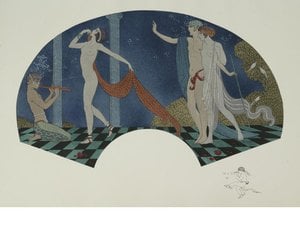
Cortege

Explore 'Cortege' by George Barbier – a stunning Art Deco illustration of 1920s elegance. Discover intricate details, fashion design & timeless sophistication in this vintage masterpiece.

Objavte Georgette Barbiera, slávneho francúzskeho ilustrátora (1882-1932). Jeho dielo, známe opulentnými módnymi a divadelnými návrhmi, stelesňuje eleganciu a sofistikovanosť štýlu Art Deco.

Kúpte si digitálnu snímku vo vysokom rozlíšení s vylepšenými detailmi, ktorá je oveľa kvalitnejšia než online náhľad.

Každý súbor starostlivo pripravujú naši interní špecialisti pomocou pokročilých nástrojov a odborného manuálneho retušovania. Zabezpečujeme, aby každý obrázok disponoval výnimočnou čistotou, presnou farebnou vernosťou a jemnými detailmi.

Konečný súbor vám bude doručený e-mailom do 72 hodín, optimalizovaný pre okamžité použitie v profesionálnom, redakčnom aj tlačovom prostredí. Ide o rovnakú kvalitu, ktorej dôverajú špičkové dizajnérske štúdiá, vydavateľstvá a galérie.

Digitálny obraz

Stiahnite si vysokorozlíšený súbor na osobné zobrazovanie, tlačenie a kreatívne projekty.

Celková cena

$9.99

Súčasťou každej objednávky digitálneho obrazu

Expetórne digitálne doručenie, garantované

Keď si vyberiete WahooArt.com, nedostávate len obrázok – získate profesionálne upravené digitálne umenie, vytvorené s precíznosťou a so zárukou vašej maximálnej spokojnosti. Tu je všetko, čo je súčasťou vašej objednávky automaticky:

shipping_icon
Rýchle doručenie e-mailom

Vaša vysokorozlíšená digitálna súprava obrázkov vám bude zaslaná e-mailom do 72 hodín od objednávky – pripravená na okamžité použitie.

canvas_icon
Digitálny súbor s vylepšením AI

Vaše dielo je profesionálne optimalizované pomocou pokročilých nástrojov umelej inteligencie a manuálnej editácie, čo zaručuje maximálnu úroveň detailov, čistotu a presnosť farieb.

insurance_icon
Bezplatné celoživotné opätovné doručenie

Náhodou ste zmazali alebo ste stratili svoj súbor? Nebavžte sa – pošleme vám ho kedykoľvek znova, úplne bez poplatkov.

tax_icon
Bez poplatkov za dovoz – navždy

Užite si svoje umelodelo okamžite bez colných poplatkov, daní alebo nákladov na dopravu – digitálne stiahnutia sú vždy oslobodené od dane.

color_icon
Garantovaná presnosť farieb

Pomocou profesionálnych nástrojov a farebného manažmentu zabezpečujeme, aby vaša digitálna fotografia čo najpresnejšie odrážala pôvodné farby.

return_icon
60-dňová záruka spokojnosti

Ak nebudete spokojní so svojou digitálnou fotografiou, upravíme ju alebo vám vrátime 100% v priebehu 60 dní – bez zbytočných otázok.

guarantee_icon
100% Záruka vrátenia peňazí

Nie ste spokojní? Získajte plnú náhradu peňazí do 60 dní od prijatia vášho digitálneho súboru – bez zbytočných otázok.

discount_icon
Zľavy pri veľkom odbere

Kúpte si 3 obrazy, ušetrite 10% - Kúpte si 5, ušetrite 15% - Kúpte si 10+, ušetrite 20%. Ideálne pre kreatívne projekty, galérie a agentúry.

Podobné diela


Životopis umelca

George Barbier: The Architect of Art Deco Elegance

George Barbier (1882-1932) wasn’t merely an illustrator; he was a meticulous architect of style, a visual storyteller who shaped the aesthetic landscape of the early 20th century. Born in Nantes, France, into a family steeped in artistic tradition – his father was a painter and his cousin Paul Iribe a celebrated designer – Barbier inherited a deep appreciation for beauty and an innate ability to translate it onto paper. His career, though relatively brief, left an indelible mark on fashion, theatre, and decorative arts, establishing him as one of the foremost figures of the Art Deco movement.

Barbier’s early training at the École des Beaux-Arts in Paris provided a solid foundation in classical drawing techniques, but it was his exposure to the vibrant social circles surrounding magazines like *La Gazette du Bon Ton* that truly ignited his creative spirit. He became part of a close-knit group of artists – including Paul Iribe, Bernard Boutet de Monvel, and Georges Lepape – known affectionately as “The Knights of the Bracelet,” a moniker reflecting their penchant for flamboyant attire and sophisticated designs. This environment fostered experimentation and collaboration, pushing Barbier to explore new approaches to illustration and design.

A Symphony of Fashion and Theatre

Barbier’s work is instantly recognizable by its opulent detail, intricate patterns, and a masterful command of color. He initially gained prominence through his illustrations for fashion magazines, particularly *La Gazette du Bon Ton*, where he captured the spirit of Parisian society with breathtaking elegance. His depictions of women in shimmering gowns, adorned with feathers, jewels, and elaborate headwear, were not simply portraits; they were miniature narratives, conveying a sense of glamour, sophistication, and even playful sensuality. He didn’t just draw dresses; he created entire worlds around them.

However, Barbier's talent extended far beyond the realm of fashion. He quickly established himself as a sought-after designer for theatre productions, creating stunning costumes for ballet companies like Sergei Diaghilev’s Ballets Russes and collaborating on lavish sets for the Folies Bergère in Paris. His designs were characterized by their exotic influences – incorporating motifs from ancient Egypt, Persia, and the Far East – blended seamlessly with Art Deco geometric forms and luxurious fabrics. His work for *Casanova* (1928), a production starring Rudolph Valentino, cemented his reputation as a master of theatrical costume design.

The Falbalas & Fanfreluches: A Visual Legacy

Perhaps Barbier’s most enduring legacy lies in his series of almanacs, *Falbalas et Fanfreluches* (1922-1926). These beautifully illustrated books were a showcase for his distinctive style – a dazzling blend of fashion, fantasy, and decorative motifs. Each page was a miniature masterpiece, filled with exquisitely rendered figures, intricate patterns, and a palpable sense of joie de vivre. The titles themselves—"falbalas" (ruffles) and "fanfreluches" (frills)—perfectly captured the essence of his work: a celebration of luxurious fabrics and playful ornamentation.

These almanacs weren’t merely decorative; they were carefully constructed visual narratives, often depicting social gatherings, exotic travels, and moments of romantic intrigue. Barbier's meticulous attention to detail—from the texture of silk to the sparkle of diamonds—created a world of unparalleled beauty and sophistication. The influence of *Falbalas et Fanfreluches* can still be seen today in contemporary fashion and design, demonstrating the enduring power of Barbier’s vision.

Influences and Artistic Connections

Barbier's artistic development was shaped by a diverse range of influences. The classical training he received at the École des Beaux-Arts provided him with a strong foundation in drawing and composition, while his exposure to contemporary movements like Fauvism and Cubism broadened his aesthetic horizons. He also drew inspiration from Orientalist art, particularly the vibrant colors and intricate patterns of Persian textiles. His close relationships with other prominent artists – including Paul Iribe and Georges Lepape – fostered a spirit of collaboration and experimentation that fueled his creative growth.

Furthermore, Barbier’s work reflects the broader cultural trends of the 1920s—a period marked by economic prosperity, technological innovation, and a fascination with exotic cultures. The rise of mass media, particularly magazines like *La Gazette du Bon Ton*, provided him with a platform to reach a wide audience and establish his reputation as one of the leading illustrators of his time.

A Lasting Impact

George Barbier’s career was tragically cut short by illness in 1932, at the age of 50. Despite his untimely death, his work continues to captivate and inspire. His illustrations are prized for their beauty, elegance, and technical virtuosity, and they remain a defining example of Art Deco style. Barbier’s legacy extends beyond the realm of illustration; he helped to shape the visual language of fashion, theatre, and decorative arts, leaving an enduring mark on the cultural landscape.

Georges Barbier

Georges Barbier

1882 - 1932 , Francúzsko

Základné informácie

  • Artistic Movement Or Style: Art Deco
  • Artists Or Movements Influenced By This Artist:
    • Diane Von Furstenberg
    • Ken Russell
  • Artists Who Influenced This Artist:
    • Paul Iribe
    • Bernard Boutet
  • Date Of Birth: 1882-10-16
  • Date Of Death: 1932-07-19
  • Full Name: Georges Augustin Barbier
  • Nationality: Francúzska
  • Notable Artworks:
    • Falbalas et Fanfreluches
    • Le Gout De Chales
  • Place Of Birth: Nantes, Francúzsko