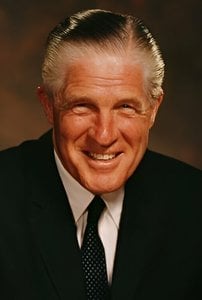
Biografia umelca
A Life in Portraiture: The World of George Romney
George Romney, narodený 15. decembra 1734 v malej dedinke Dalton-in-Furness v Lancashíre (teraz Cumbria), sa stal jedným z najžiadanejších portrétnych majstrov svojej éry. Jeho cesta od syna drevárneho remeselníka k obľúbenému umelcovi britskej šľachty je fascinujúcou rozprávkou o vrodenom talentu a neochabajúcom ambícii. Rané roky nepredveštávali umelecký smer, ktorým sa nakoniec vybral; po úvodnom učení u svojho otca, to vnútorne nutkanie kresliť a remeselné zručnosti ho priviedli k Christopherovi Steeleovi, miestnemu portrétistovi, ktorý študoval v Paríži. Toto učenie bolo zásadné, poskytlo Romneyovi základné dovednosti a predstavenie sa európskym umeleckým tradíciám. Rýchlo však prekonal svojho štruktora, pričom dokázal talent, ktorý si vyžadoval ďalšie kultivovanie. Krátke, nespokojivé manželstvo a následné rozvod viedli ho v roku 1762 do Londýna, mesta plného príležitostí, ale aj krutého súťaobného prostredia.
Establishing a Reputation: Style and Technique
Londýn sa stal pre Romneyho umelecký rozvoj kulinárskej miskou. Rýchlo si upevnil postoj ako nebezpečný portrétista, zasiahol dominanciu umelcov ako Thomas Gainsborough a Sir Joshua Reynolds. Hoci nikdy neprišiel o členstvo v Kráľovskej akadémii – rozhodnutie, ktoré mu mohlo obmedziť prístup k niektorému z patrónov –, jeho úspech bol nepopierateľný. Romneyho štýl sa časom vyvíjal, na začiatku odrážal vplyv Steelea a parížskeho vzdelávania, ale čoskoro rozkvitol do niečoho podstatne vlastného. Vlastnil výnimočnú schopnosť zachytiť nielen podobnosť, ale aj povahu a spoločenský postoj svojich modelov. Jeho portréty sa vyznačujú elegantnými pózami, precíznym využívaním svetla a tieňa a jemným psychologickým vedomím, ktoré ho odlišovali. Technika Romneyho bola charakterizovaná jemnosťou dotyku a preferenciou pretekajúcich línií, často s inšpiráciou z klasických sochyň. Vynikajúco využíval farby na vyjadrenie textúry a hĺbky, vytváral portréty, ktoré boli vizuálne pôsobivé a emocionálne rezonančné. Jeho schopnosť udiviť svojich modelov bez priameho definovania ich charakteru získal lojalitu elity. Rozumel sile sugestie, naznačoval povahu namiesto toho, aby ju explicitne definoval, čo oslovovalo tých, ktorí si vážili rozvážnosti a elegancie.
The Muse and Her Influence: Emma Hamilton
Romneyho život sa dramaticky zmenil s jeho stretom s Emmou Hartovou, neskôr Lady Hamiltonovou, v roku 1782. Ona sa stala nielen jeho najvýznamnejšou modelkou, ale aj múzou, ktorá hlboko ovplyvnila jeho umelecké diela. Emmaho krása, inteligencia a divadelná zručnosť zaujali Romneyho, čo inšpirovalo sériu portrétov, ktoré skúmali témy klasickej mytológie, dramatických príbehov a ženského šarmu. Portréty jej zobrazovali v rôznych rolách – ako spinnerku, ako tragickú Mirandu z Shakespearovej *Tempety* a v mnohých alegorických scénach, ktoré prezentovali jej vyjadrovací rozsah. Tieto diela ukazujú Romneyho ochotu experimentovať s kompozíciou a symbolikou, prechádzajúc za hranice konvenčných portrétov do viac imaginatívneho teritória. Séria *Tempety* ukazuje romantickú zmyselnost’, ktorá sa objavila v jeho dielach, anticipujúc emocionálnu intenzitu neskorších umelcov. Vzťah bol intenzívny a návykový pre Romneyho, hoci nakoniec nebol romanticky uspokojivý; Emma sa stala milenkou Lorda Nelsona, spojenia, ktoré zabezpečila jej miesto v dejinách. Napriek tomu ich umelecká spolupraca zanechala nezmazovateľný odtlač na oboch ich životov a vytvorila niektoré z Romneyho najtrvähljších majstrovských diel. Je povedané, že mal jej nakreslených viac ako 80 portrétov, každý z nich odhaľoval inú stránku jej fascinujúcej osobnosti.
Legacy and Historical Significance
George Romneyho vplyv na britskú portrétnu tvorbu je nepopriateľný. Pomohol utvoriť estetické vkusy neskorého 18. storočia, prispel k štýlu, ktorý zdôrazňoval eleganciu, psychologickú hĺbku a umelecké zručnosti. Jeho portréty poskytujú neoceniteľné pohľady na životy a chute britskej elity v čase jeho pôsobenia, poskytujú vizuálny záznam ich spoločenských zvykov, módy a intelektuálnych záujmov. Hoci čelil občasným pocitom sebepochybnosti a zápasil s duševnými problémami neskoršieho života – čo viedlo k poklesu produktivity pred jeho smrťou v Kendale v roku 1802 –, jeho dedičstvo pretrváva prostredníctvom stoviek maľieb a kresieb, ktoré sú dôkazom jeho zručnosti. Jeho diela sa stále obdivujú pre svoju technickú brilantnosť a emocionálnu rezonanciu. Romneyho vplyv je viditeľný v portrétoch neskorších generácií britských umelcov. Neustále fascinácie jeho vzťahom s Emmou Hamiltonovou pridáva ďalšiu vrstvu záujmu k jeho príbehu. Zostáva významnou postavou v dejinách umenia, majstrovského portrétistu, ktorý zachytil ducha éry a zanechal za sebou dielo, ktoré stále fascinuje a inšpiruje.



 Kúpiť ručne maľovaný obraz
 Odoslať
 Zdieľať
 Podrobnosti o dielo

 Stiahnuť
 Podobné diela
 Prezentácia
 Štatistiky


 Zobraziť viac






































 Možnosť skla je dostupná len pri rozmeroch pod 110 cm