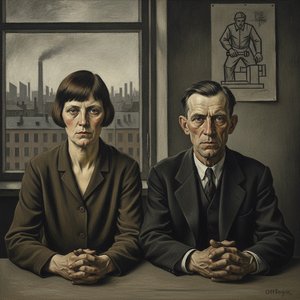
A Satirist of Shattered Worlds: The Life and Art of George Grosz
George Grosz, narodený Georg Ehrenfried Groß v Berlíne v roku 1893, bol vizuálny kronikár spoločenského rozpadu a politického zrúbenia. Jeho umenie nebolo len *o* jeho čase – chaotická Viedomá republika a vzostup fašizmu – alebaž vulgárna reakcia naňho, furózne obvinenie vyobrazené v oštretých linkách a groteskných karikatrách. Grosz nepochopil Berlín len; rozoberal ho, odhaľoval jeho morálnu rozklad s bezúctovým čestnosťou. Jeho rané roky života boli poznačené nestabilitou po smrti otca, udalost, ktorá poháňala jeho matku do riadenia príbytkov pre dôchodcov, umiestňujúc mladého Georga medzi svet armádnej militarizmu a prísnych sociálnych hierarchií – svet, ktorý by neskôr neúmilne satirizoval. Jeho formálne umelecké vzdelanie začalo precíznym kópiovaním tradičných holandských majstrov, ako Eduard von Grützner, kde sa zdokonalil v technike pred tým, než opustil akademické konvencie pre oveľa provokatívnejšiu cestu. Táto skorá disciplína však poskytla základ pre jeho jedinečný vyjadrovací štýl.
Dada, New Objectivity a Narodenie Kritického Videnia
Groszova umelecká vývoj bola neodmysliteľne spojená s avantgardnými hnutiami, ktoré prosperovali v po vojne I. Nemecku. Stal sa kľúčovou figúrou Berlinského Dadaizmu, prijímajúc jeho nihilistický duch a protipovolený želaním. Naproti tomu niektorým jeho Dadaistickým spoločníkom, ktorí si užívali čistú absurditu, Grosz zamerával Dadaovu rebélie do bodového sociálneho komentára. Jeho diela z tejto doby – kusy ako *The Pit* (1921) a *The Pillars of Society* (1926) – sú hlboké obvinenia nemeckej buržoazie, vojenskej elity a korupčného politického systému, ktorý viedol národ k katastrofe. Nebol záujemc o umeleckú krásu; hľadal šok, provokáciu a odhaľovanie pokrytectva. Tento záväzok k sociálnemu kritizmu sa vyvinul do jeho účasti na *Neue Sachlichkeit* (New Objectivity), hnutí charakterizovanom realistickým, ale necitlivým zobrazovaním súčasného života. Hoci zdieľal New Objectivity’s zameranie na realitu, Grosz ju obohatil o jedinečnú a bodavú satiru, ktorá ho odlišovala od iných umelcov spojených s touto skupinou. Jeho maľby a kresby neboli len reprezentácie reality; boli to deformované odôvodnenia spoločnosti, ktorá sa ohýbala na hranici kolapsu.
Exil a Transformácia: Nový Svet, Zmenený Štýl
Vzostup Nemeckej nacionálnej strany prinútil Grosza do exilu v roku 1933. Hľadal útočisko v Spojených štátoch, kde získal občianstvo v roku 1938. Táto relokácia znamenala významný posun v jeho umeleckej kariére. Odstránený z kontextu, ktorý pohádzal jeho najsilnejšie diela a čelil inému spektru sociálnych a politických realít, sa Groszov štýl začal meniť. Nadmerne agresívne karikatúry ustúpili do tlmených krajiniek a portrétov, často s pocitom melancholie a zdanením. Zatiaľ čo pokračoval v vystavovaní a učení na Art Students League v New Yorku, jeho diela postrádali ostrý naliehavosť obdobia Berlína. Ťažko sa usadil v novom prostredí, bojoval s pocitmi osamelosti a umeleckou nejistotou. Apokalyptické videnia, ktoré vznikli počas tejto doby – maľby zobrazujúce pusté krajiny a fragmentované postavy – odrážali nielen hrôzy rozvíjajúce sa v Európe, ale aj jeho vlastnú vnútornú zúrivosť.
Dielo a Dedičiná
George Grosz sa vrátil do Berlína v roku 1959, krátko pred svojou smierťou, bolestný návrat do mesta, ktoré ho inšpirovalo a prenasledovalo. Jeho dielo pretrváva za hranicami historického kontextu Viedomá republika. Je to silný príklad umelca, ktorý odvážne čelil nepríjemným pravdám a vyzýval na sociálne normy. Jeho diela slúžia ako varovná rozprávka o hrozbách politickej extremismu, sociálnej nespravodlivosti a nekontrolovaného moci.
- Satirická sila: Groszova mašty v karikature pokračujú v inšpirácii umelcov a komentátorov dnes.
- Sociálny komentár: Jeho bezúctový odsudok sociálnych problémov zostáva úžasne relevantný v svete, ktorý stále bojuje s nerovnosťou, korupciou a politickou polarizáciou.
- Historický svědek: Jeho diela poskytujú neoceniteľné poznatky o sociálnom a politickom klíme intervárového Nemecka, ponúkajú hlboké pochopenie síl, ktoré viedli k druhej svetovej vojne.
Groszov vplyv je viditeľný v práci mnohých umelcov, ktorí nasledovali, tých, ktorí sa nechali prilákať jeho záväzkom k sociálnemu zapojeniu a jeho ochotou používať umenie ako zbraň proti nespravodlivosti. Jeho maľby sú uložené v hlavných múzeách po celom svete, vrátane Kunstsammlungen und Museen Augsburg, Kunsthalle Bielefeld a Whitney Museum of American Art, zabezpečujúce, že jeho mocný posolstvo bude počúvané generáciami.



 Náhľad
 Prepnúť na tlač
 Odoslať
 Zdieľať
 Podrobnosti o dielo

 Stiahnuť
 Podobné diela
 RTG skúška
 Prezentácia
 Štatistiky

 Zobraziť viac






































 Možnosť skla je dostupná len pri rozmeroch pod 110 cm