Biografia umelca
Early Life and the Call of the Frontier
George Catlin, narodený v Wilkes-Barre, Pensylvánia, v roku 1796, bol mužom určeným na to, aby stal mostom medzi svetmi – medzi zavedenou americkou spoločnosťou svojho času a rýchlo miznoucimi kultúrami indiánskych kmeňov. Jeho detstvo bolo hlboko zakorenené v príbehoch o frontejre, rozprávaných jeho matkou, Polly Sutton, ktorá sama zažila hrôzostrašné zajatie počas indiánskej náravy. Tieto príbehy zapálili v mladom Catlinovi fascináciu západom, krajinou vnímanou ako zároveň nebezpečnou a hlboko romantickou. Hoci bol na začiatok trénovaný ako právnik, zistil svoju pravú cestu nie v súde, ale v zachytávaní esencie miznúceho spôsobu života, ktorý sa obával, že zmizne. Opustil právnickú praxu po dvoch rokoch, pohánaný umeleckou inštinktívnou silou a rastúcim presvedčením, že tradície a vzhľad indiánskych kmeňov si zaslúžia podrobné dokumentovanie pre budúce generácie. Nebol to len estetický zvěd avost, ale pocit naliehavosti, predtuchy, že západný rozvoj neodmyslitelne zmení tieto kultúry. Jeho skoré diela zahŕňali gravíre zobrazujúce scény pod Erie Channelom, demonštrujúce jeho technické schopnosti a pozornosť k detailu – kvality, ktoré sa stali znakmi jeho neskoršieho, ambiciózneho projektu. Tieto počiatočné úsilia slúžili ako kritická základňa, posilňovali jeho pozorovaciu zručnosť a stanovovali jeho záväzok k vizuálnemu rozprávaniu príbehov.
Dokumentovanie miznúceho sveta: Indiánska galéria
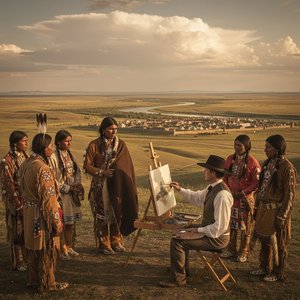
Catlinovo najvýznamnejšie dielo bolo bezpochyby vytvorenie “Indiánskej galérie”, úžasnej zbierky viac ako 500 maľieb venovaných zobrazovaniu života a kultúry indiánskych kmeňov. Začal v 30-tych rokoch 19. storočia päť rozsiahlych expedícií do amerického západu, cestoval po rieke Missouri a vydaľoval sa do oblastí osídlených kmeňmi ako Mandan, Sioux, Blackfeet a Choctaw. Nebol to len pozorovateľ; Catlin sa hlboko zapojil do týchto komún, zúčastnil sa obradov, sledoval dennú rutinu a naviazal vzťahy s vedúcimi kmeňmi. Jeho maľby sú známe svojou realistickosťou a živými farbami, zachytávajúce nielen fyzické podobnosti, ale aj pocit hrdosti a komplexity indiánskych kultúr. Napríklad Sham Fight, Mandan Boys je dynamická reprezentácia tradičného fašovacieho zápasu medzi mladími váhami Mandanského kmeňa, ktorá ukazuje atletickosť a spoločenstvo tohto kmeňa. Podobne jeho portrét Mó-sho-la-túb-bee, He Who Puts Out and Kills, Chief of the Tribe odhaľuje silného lídra s nerozbitným pohľadom, ktorý vyjadruje nielen autoritu, ale aj múdrosť. Catlinov štýl je charakterizovaný detailmi a často zahŕňa rozsiahle pozadí, ktoré poskytujú kontext pre jeho subjekty – krajiny, tipy, obradné predmety – všetko nakreslené s pozornosťou k presnosti. Snažil sa prezentovať indiánov nie ako stereotypných divokých ľudí, ale ako jednotlivcov s bohatými kultúrnymi tradíciami a komplexnými spoločenskými štruktúrami, čo vyzývalo proti rozšíreným predsudkom svojho času.
Výzvy a uznanie: Život venovaný zachovávanému
Hoci dielo Indiánskej galérie malo umeleckú hodnotu a historický význam, Catlin čelil značným výzvam na získanie uznania a finančnej podpory pre svoje diela. Videl v tom cieľ, dať zbierku do správy USA, aby sa zachovala ako národné pokladisko, ale jeho prvotné návrhy boli opakované odmietnuté. Nevzdal sa však svojho sna a po cestách ho ukázal najprv v Londýne, potom v Paríži a Berlíne v 40-tych a 50-tych rokoch 19. storočia. Tieto európske výstavy získali značnú obdivujúcu rešpekt, uviedli publikum do sveta, ktorý bol predtým známy len prostredníctvom druhochádzajúcich informácií. Catlin tiež vydal niekoľko kníh, ktoré popisovali jeho cesty a pozorovania, vrátane Manners, Customs, and Condition of the North American Indians (1841) a Last Rambles Amongst the Indians of the Rocky Mountains and the Andes (1868), čo ďalej posilňovalo jeho reputáciu ako vedúceho odborníka na indiánsku kultúru. Napriek finančným ťažkostiam, ktoré ho trápili počas celého života, sa snažil o zisk svojich investícií a vytvoril tak viac ako 400 maľieb v menšej “cartoonovej zbierke”, ale ani tento úsilie neprinieslo značný finančný úspech. Táto doba bola charakterizovaná trvalou bojovosťou a bolestnou ironiou – muž venovaný zachovávanému kultúre čelil vlastnej bitke o prežitie.
Dielo a historický význam
George Catlin zomrel v roku 1872, zanechal za sebou dedičstvo, ktoré sa dodnes rezonuje. Hoci jeho diela neboli plne ocenené počas jeho života, odtiaľto sú uznávané ako neoceniteľný historický záznam o indiánskom živote pred rozsiahlymi zmenami priniesanými západným rozvojom. Jeho maľby ponúkajú pohľad na kultúry, ktoré boli často neprezentované alebo ignorované v hlavných príbehoch. Prairie Meadows Burning s jej dramatickou reprezentáciou kontrolovaného pálenia a sprevádzajúceho jazdca zachytáva nielen krajinu, ale aj intímny vzťah medzi indiánmi a ich prostredím. Pipestone Quarry, Coteau Des Prairies ilustruje sväté miesto pre mnohé kmele a ich duchovný spájaciu silu s touto zemou. Catlinovo dielo je dôkazom jeho záväzku k zachovávanému životu a uznaniu významu ochrany kultúrnych dedíností.



 Náhľad
 Prepnúť na tlač
 Odoslať
 Zdieľať
 Podrobnosti o dielo

 Stiahnuť
 Podobné diela
 RTG skúška
 Prezentácia
 Štatistiky


 Zobraziť viac






































 Možnosť skla je dostupná len pri rozmeroch pod 110 cm