


 Oil On CanvasWallArtDutch Golden Age Realism
 1659Late Medieval
 60.0 x 47.0 cm
 Gemäldegalerie Alte Meister
Kúpte si digitálnu snímku vo vysokom rozlíšení s vylepšenými detailmi, ktorá je oveľa kvalitnejšia než online náhľad.
Každý súbor starostlivo pripravujú naši interní špecialisti pomocou pokročilých nástrojov a odborného manuálneho retušovania. Zabezpečujeme, aby každý obrázok disponoval výnimočnou čistotou, presnou farebnou vernosťou a jemnými detailmi.
Konečný súbor vám bude doručený e-mailom do 72 hodín, optimalizovaný pre okamžité použitie v profesionálnom, redakčnom aj tlačovom prostredí. Ide o rovnakú kvalitu, ktorej dôverajú špičkové dizajnérske štúdiá, vydavateľstvá a galérie.
Stiahnite si vysokorozlíšený súbor na osobné zobrazovanie, tlačenie a kreatívne projekty. ( Kúpiť tlač Kúpiť ručne maľovaný obraz)
Keď si vyberiete WahooArt.com, nedostávate len obrázok – získate profesionálne upravené digitálne umenie, vytvorené s precíznosťou a so zárukou vašej maximálnej spokojnosti. Tu je všetko, čo je súčasťou vašej objednávky automaticky:

Vaša vysokorozlíšená digitálna súprava obrázkov vám bude zaslaná e-mailom do 72 hodín od objednávky – pripravená na okamžité použitie.

Vaše dielo je profesionálne optimalizované pomocou pokročilých nástrojov umelej inteligencie a manuálnej editácie, čo zaručuje maximálnu úroveň detailov, čistotu a presnosť farieb.

Náhodou ste zmazali alebo ste stratili svoj súbor? Nebavžte sa – pošleme vám ho kedykoľvek znova, úplne bez poplatkov.

Užite si svoje umelodelo okamžite bez colných poplatkov, daní alebo nákladov na dopravu – digitálne stiahnutia sú vždy oslobodené od dane.

Pomocou profesionálnych nástrojov a farebného manažmentu zabezpečujeme, aby vaša digitálna fotografia čo najpresnejšie odrážala pôvodné farby.

Ak nebudete spokojní so svojou digitálnou fotografiou, upravíme ju alebo vám vrátime 100% v priebehu 100 dní – bez zbytočných otázok.

Nie ste spokojní? Získajte plnú náhradu peňazí do 100 dní od prijatia vášho digitálneho súboru – bez zbytočných otázok.

Kúpte si 3 obrazy, ušetrite 10% - Kúpte si 5, ušetrite 15% - Kúpte si 10+, ušetrite 20%. Ideálne pre kreatívne projekty, galérie a agentúry.
Gustave Courbet's "The Painter's Studio," completed in 1855, isn’t merely a depiction of an artist at work; it’s a vibrant, layered allegory of the artistic and social landscape of mid-19th century France. More than just a snapshot of a studio scene, this monumental canvas invites us into a microcosm of society – a carefully constructed tableau populated by figures representing diverse walks of life, each contributing to the dynamic energy of Courbet’s creative world. The painting immediately captivates with its rich palette and meticulous detail, hallmarks of the Realist movement that Courbet championed, rejecting the idealized forms and mythological subjects favored by earlier artistic traditions.
At first glance, the scene unfolds as a typical artist's studio – an easel holding a landscape in progress, a nude model posing gracefully, and a young boy playfully interacting with a white cat. However, a closer examination reveals a complex web of symbolism woven throughout the composition. The left side of the painting is dominated by a series of ordinary individuals: a Jewish man, an Irishwoman, and a laborer – figures representing the everyday people who served as inspiration for Courbet’s art. A partially obscured figure on the floor, often interpreted as a crucified form, serves as a poignant reminder of the sacrifices made in pursuit of artistic expression, while simultaneously acknowledging the potential demise of traditional academic art. The central focus remains firmly on Courbet himself, diligently working on his painting of the Loue River valley – a deliberate homage to his homeland and a testament to the enduring power of nature.
The right side of "The Painter's Studio" transforms into a gathering of Parisian elite, each figure representing a key influence on Courbet’s artistic journey. Prominent among them are Alfred Bruyas, a wealthy patron who provided crucial financial support; Champfleury, a literary critic and fellow Realist whose writings profoundly shaped Courbet’s artistic philosophy; Pierre-Joseph Proudhon, the radical philosopher and economist; and Charles Baudelaire, the celebrated poet whose aesthetic sensibilities resonated deeply with Courbet's own. The inclusion of these figures isn’t simply decorative; it underscores the interconnectedness of art, society, and intellectual discourse during this transformative period. The portraits are not idealized representations but rather carefully observed studies, capturing each individual’s unique personality and bearing – a testament to Courbet’s keen observational skills.
Courbet's masterful technique is evident in every brushstroke. He employs a meticulous approach, rendering textures with astonishing realism – from the velvet folds of clothing to the rough grain of wood. The use of light and shadow creates a dramatic atmosphere, drawing the viewer’s eye across the canvas and highlighting key elements within the composition. The partially finished paintings on the back wall—a deliberate act of artistic defiance—symbolize the unfinished nature of creative endeavors and the constant pursuit of perfection. These abandoned works hint at the immense scale of Courbet's ambition and his willingness to challenge conventional artistic norms.
"The Painter’s Studio" stands as a pivotal work in the history of art, encapsulating the spirit of the Realist movement. It rejects romantic idealism and embraces a commitment to portraying the world as it truly is – with all its complexities, contradictions, and social inequalities. Courbet's painting wasn't merely an artistic statement; it was a bold declaration of independence from the established art establishment. The work’s enduring appeal lies in its ability to resonate with viewers across generations, prompting reflection on the nature of creativity, the role of society, and the power of art to shape our understanding of the world. Reproductions of this iconic painting offer a remarkable opportunity to bring this vibrant tableau into your own home, serving as a constant reminder of Courbet’s revolutionary vision.

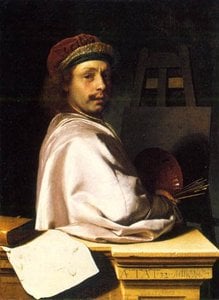
1635 - 1681 , Holandsko

 Náhľad
 Odoslať
 Zdieľať
 Podrobnosti o dielo

 Stiahnuť
 Podobné diela
 RTG skúška
 Prezentácia
 Zobraziť viac


