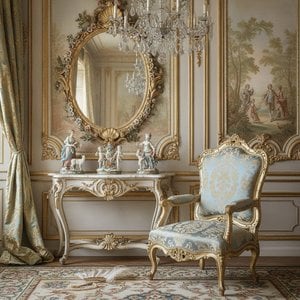
Parížska pamiatka v rokoko nádhere
François Lemoyne, meno možno nie tak okamžite známe ako mená jeho súčasníkov Bouchera alebo Watteaua, napriek tomu zaujíma významné miesto v tapisérii 18. storočného francúzskeho umenia. Narodil sa v Paríži v roku 1688 a venoval svoj život oživeniu veľkoleposti rozsiahlych alegorických malieb – tradície, ktorá od čias Charlesa Le Bruna čiastočne upadla. Lemoyne hlboko obdivoval Le Bruna a usiloval sa ho napodobniť. Jeho ambíciou nebolo len zdobiť, ale vytvárať diela ponesené intelektuálnou váhou a emocionálnou rezonanciou, odrážajúc komplexnú dušu obdobia rokoka a zároveň s návratom k ideálnejšiemu klasickému vzoru. Od svojho skorého štúdia pod vedením jeho nevlastného otca Roberta le Vrac a neskôr v prísnom prostredí Académie Royale de peinture et de sculpture, Lemoyne prejavoval oddanosť zvládnutiu ako technických zručností, tak umeleckého vyjadrenia. Jeho formálne štúdium s Louisom Gallocheom a Pierre-Jacquesom Cazesom sa ukázalo ako formujúce, najmä pri rozvoji jeho nuancovaného porozumenia farbe – charakteristiku, ktorá by sa stala čoraz prominentnejšou počas celej jeho kariéry. Prestížna cena Prix de Rome v roku 1711 znamenala prelomový moment, hoci finančné obmedzenia spočiatku oddialili jeho cestu do Talianska; cestu, na ktorú sa napokon vydal v roku 1723 spoločne s Françoisom Bergerom.
Talianske ozveny a rokoko prekvety
Pobyt v Taliansku sa ukázal ako transformatívny pre Lemoyneho. Ponorený do diel renesančných majstrov, ako boli Raphael, Correggio a Titian, absorboval ich techniky a estetické princípy, čím obohatil svoju umeleckú slovnú zásobu. Napriek tomu dynamická energia Petra Paula Rubensa zanechala na jeho štýle nezmazateľnú stopu – čo je viditeľné v jeho žiarivých farebných paletách a dramatických kompozíciách. Vystavenie benátskej maľbe v renomovanej zbierke Pierra Crozata ďalej zdokonalilo jeho zmysly, podporujúc lásku k bohatým textúram a atmosférickým efektom. Tieto vplyvy sa spojili do odlíšenej rokoko estetiky charakterizovanej eleganciou, ornamentálnosťou a dôrazom na dekoratívnu krásu. Lemoyne však nikdy úplne neopustil ambíciu rozsiahlej narácie, ktorá definovala skoršie francúzske akademické maliarstvo; snažil sa syntetizovať tieto zdánlivé protiklady – ľahkosť a gráciu rokoka s intelektuálnou prísnosťou klasickej tradície. Práve táto jedinečná zmes odlišuje jeho dielo a prispieva k jeho trvalej príťažlivosti.
Versailles a kráľovské uznanie
Umelecká majstrovská zručnosť Lemoyneho našla svoj najväčší výraz v monumentálnych stropných freskách, najmä
L'Apothéose d'Hercule (Apoteóza Herkulov) v Salone d’Hercule vo Versailleskej paláci. Tento majstrovský kúsok – oslnivý prejav iluzívnej techniky a dynamickej kompozície – okamžite získal rozsiahle uznanie. Súčasníci ako Voltaire a kardinál Fleury chválili jeho brilantnosť, pričom Lemoyneho uznali za majstra svojho remesla. Okrem Versailles podujal aj významné náboženské povaly, napríklad
The Transfiguration (Premenenie) v chóre Jacobinskej cirkvi (dnes Parish Church of St. Thomas d’Aquin) v Paríži, čím demonštroval svoju všestrannosť a schopnosť prispôsobiť svoj štýl rôznym témam. V roku 1736 dosiahol Lemoyne vrchol svojej kariéry menovaním za
Premier peintre du roi (Prvý maliar kráľa) pod vládou Ľudvíka XV – dôkaz jeho umeleckých úspechov a postavenia na francúzskom dvore.
Tragický koniec a trvalý vplyv
Napriek dosiahnutiu takých výšin bol život Lemoyneho tragicky skrátený samovraždou v roku 1737. Jeho predčasná smrť znamenala nielen osobnú stratu, ale aj posun umeleckých chutí; zreteľne to korelovalo s poklesom obľuby rozsiahlych alegorických stropných malieb, ktoré tak vášivo presadzoval. Napriek tomu jeho odkaz pretrval prostredníctvom jeho študentov, medzi ktorými boli významní umelci ako Charles-Joseph Natoire a François Boucher, ktorým odovzdal svoje vedomosti a zručnosti. Hoci nie je dnes tak všeobecne oslavovaný ako niektorí z jeho súčasníkov, prínos Lemoyneho francúzskemu rokoko umeniu sa čoraz viac oceňuje pre jeho technickú majstrovstvo, umeleckú ambíciu a jedinečnú syntézu klasických ideálov s prevládajúcimi estetickými zmyslami svojej doby. Jeho diela zostávajú svedectvom oddaného umelca, ktorý sa snažil povýšiť maliarstvo na jeho najvyššiu formu – odkaz, ktorý aj po stáročiach naďalej inšpiruje a očarí divákov.
Kľúčové diela a umelecké príspevky
- Stropné fresky: Lemoyneove najoslavovanejšie úspechy, ktoré ilustruje L'Apothéose d'Hercule, demonštrujú jeho majstrovstvo iluzívnych techník a dynamickej kompozície.
- Mytologické scény: Diela ako Hercules and Omphale (Herkules a Omfala) preukazujú jeho schopnosť zobrazovať klasické príbehy s dramatickou intenzitou aj zmyselnou gráciou.
- Náboženské maľby: The Transfiguration (Premenenie) ilustruje jeho zručnosť pri vykresľovacom náboženských tém s emocionálnou hĺbkou a technickou presnosťou.
- Portréty: Jeho portrét Head of King Louis XV (Hlava kráľa Ľudvíka XV) odhaľuje jemné pochopenie charakteru a majstrovstvo v technikách uhlia a pastelky.



 Náhľad
 Prepnúť na tlač
 Odoslať
 Zdieľať
 Podrobnosti o dielo

 Stiahnuť
 Podobné diela
 RTG skúška
 Prezentácia
 Štatistiky


 Zobraziť viac






































 Možnosť skla je dostupná len pri rozmeroch pod 110 cm