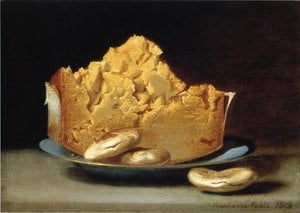
Kúpte si digitálnu snímku vo vysokom rozlíšení s vylepšenými detailmi, ktorá je oveľa kvalitnejšia než online náhľad.
Každý súbor starostlivo pripravujú naši interní špecialisti pomocou pokročilých nástrojov a odborného manuálneho retušovania. Zabezpečujeme, aby každý obrázok disponoval výnimočnou čistotou, presnou farebnou vernosťou a jemnými detailmi.
Konečný súbor vám bude doručený e-mailom do 72 hodín, optimalizovaný pre okamžité použitie v profesionálnom, redakčnom aj tlačovom prostredí. Ide o rovnakú kvalitu, ktorej dôverajú špičkové dizajnérske štúdiá, vydavateľstvá a galérie.
Stiahnite si vysokorozlíšený súbor na osobné zobrazovanie, tlačenie a kreatívne projekty. ( Kúpiť tlač Kúpiť ručne maľovaný obraz)
Keď si vyberiete WahooArt.com, nedostávate len obrázok – získate profesionálne upravené digitálne umenie, vytvorené s precíznosťou a so zárukou vašej maximálnej spokojnosti. Tu je všetko, čo je súčasťou vašej objednávky automaticky:

Vaša vysokorozlíšená digitálna súprava obrázkov vám bude zaslaná e-mailom do 72 hodín od objednávky – pripravená na okamžité použitie.

Vaše dielo je profesionálne optimalizované pomocou pokročilých nástrojov umelej inteligencie a manuálnej editácie, čo zaručuje maximálnu úroveň detailov, čistotu a presnosť farieb.

Náhodou ste zmazali alebo ste stratili svoj súbor? Nebavžte sa – pošleme vám ho kedykoľvek znova, úplne bez poplatkov.

Užite si svoje umelodelo okamžite bez colných poplatkov, daní alebo nákladov na dopravu – digitálne stiahnutia sú vždy oslobodené od dane.

Pomocou profesionálnych nástrojov a farebného manažmentu zabezpečujeme, aby vaša digitálna fotografia čo najpresnejšie odrážala pôvodné farby.

Ak nebudete spokojní so svojou digitálnou fotografiou, upravíme ju alebo vám vrátime 100% v priebehu 100 dní – bez zbytočných otázok.

Nie ste spokojní? Získajte plnú náhradu peňazí do 100 dní od prijatia vášho digitálneho súboru – bez zbytočných otázok.

Kúpte si 3 obrazy, ušetrite 10% - Kúpte si 5, ušetrite 15% - Kúpte si 10+, ušetrite 20%. Ideálne pre kreatívne projekty, galérie a agentúry.

In the bustling, transformative landscape of nineteenth-century Paris, where the shadows of the Industrial Revolution began to lengthen over the city's cobblestone streets, there existed a painter who found profound beauty in the most unassuming corners of existence. François Bonvin (1817–1887) was not a chronicler of grand historical battles or mythological epodes; instead, he was a master of the intimate, a realist whose brush captured the silent dignity of the everyday. His life, marked by early hardship and a resilient spirit, mirrored the very subjects he painted—unadorned, honest, and deeply human.
Born into humble circumstances as the son of a police officer and a seamstress, Bonvin’s childhood was far from the romanticized version of Parisian life often depicted in literature. The loss of his mother to tuberculosis when he was only four years old left him vulnerable to a world of scarcity and neglect. Raised in a crowded household with numerous siblings and facing the harsh realities of an undernourished upbringing, these early struggles instilled in him a profound empathy for the marginalized. It was this sensitivity that would later define his artistic vision, allowing him to see the poetic weight in a simple basket of fruit or the quiet labor of a domestic worker.
Bonvin’s path to artistry was as much a product of grit as it was of talent. While his formal education began at the École de dessin, supported by the generosity of a family friend, much of his true development occurred through solitary devotion and self-study. His time apprenticed to a printer provided him with a disciplined eye for detail, but it was his frequent pilgrimages to the Louvre that truly sculpted his soul. There, amidst the masterpieces of the past, he found his spiritual ancestors. He became deeply enamored with the Dutch Old Masters, particularly the dramatic chiaroscuro of Rembrandt and the spirited brushwork of Frans Hals.
This fascination with Northern European traditions allowed Bonvin to develop a technique that was uniquely his own—a blend of French precision and Dutch tonal depth. He mastered the art of capturing light as it falls upon varied textures: the cold sheen of a metal cup, the soft fuzz of a ripening strawberry, or the heavy, organic weight of an oyster shell. His work often features a muted, earthy palette that avoids the garishness of contemporary trends, opting instead for a nuanced gradation of tones that creates a sense of palpable atmosphere and stillness.
The significance of Bonvin’s oeuvre lies in its ability to elevate the mundane to the monumental. His paintings often function as windows into the private, domestic spheres of nineteenth-century France. Whether depicting a still life with four fruits or the poignant scene of A Woman Ironing, there is an unmistakable sense of presence and respect for the subject matter. He did not seek to embellish reality but to honor it.
His contributions to the Realist movement can be summarized through several key artistic hallmarks:
Though he may not have achieved the widespread fame of his contemporaries like Courbet, François Bonvin remains a vital figure for those who seek the soul within the ordinary. His legacy is found in every stroke that celebrates the quiet, the overlooked, and the enduringly beautiful aspects of our shared human experience.

1817 - 1887 , France

 Náhľad
 Odoslať
 Zdieľať
 Podrobnosti o dielo

 Stiahnuť
 Podobné diela
 RTG skúška
 Prezentácia
 Zobraziť viac