Francis van der Weegen (c.1854–1930): A Pioneer of Psychological Landscape Painting
Francis van der Weegen, born around 1854 in Altona (now Hamburg), Germany, stands as a singular figure within the landscape art movement of the late nineteenth and early twentieth centuries. Unlike many contemporaries who sought to faithfully reproduce visual impressions, Van der Weegen embarked on a profoundly ambitious endeavor: to translate inner emotional states into tangible depictions of rural England – specifically Alton and Grays.
His artistic journey began with formal training in Düsseldorf’s Kunstakademie, where he honed his skills under the tutelage of Wilhelm Leibl and Anton Faigl. Leibl instilled a meticulous attention to detail and an unwavering commitment to capturing the subtleties of light and atmosphere—principles that would become hallmarks of Van der Weegen's distinctive style.
- Early Influences: The Impressionist movement, spearheaded by Monet and Renoir, undeniably shaped Van der Weegen’s initial explorations into color and brushwork. However, he swiftly transcended mere imitation, recognizing the limitations of representing subjective experience solely through optical observation.
- The Quest for Psychological Depth: Driven by a fascination with psychology—influenced by Sigmund Freud's burgeoning theories—Van der Weegen sought to convey not just what he saw but also what he felt. He meticulously studied human anatomy and physiology, striving to depict the physical manifestations of emotion within his landscapes.
- Alton Landscapes: A Synthesis of Observation and Emotion: Van der Weegen’s Alton paintings exemplify this groundbreaking approach. Rather than presenting idealized vistas, he depicted scenes imbued with palpable tension—the encroaching darkness of impending storms, the quiet melancholy of twilight hours—reflecting a profound understanding of human vulnerability.
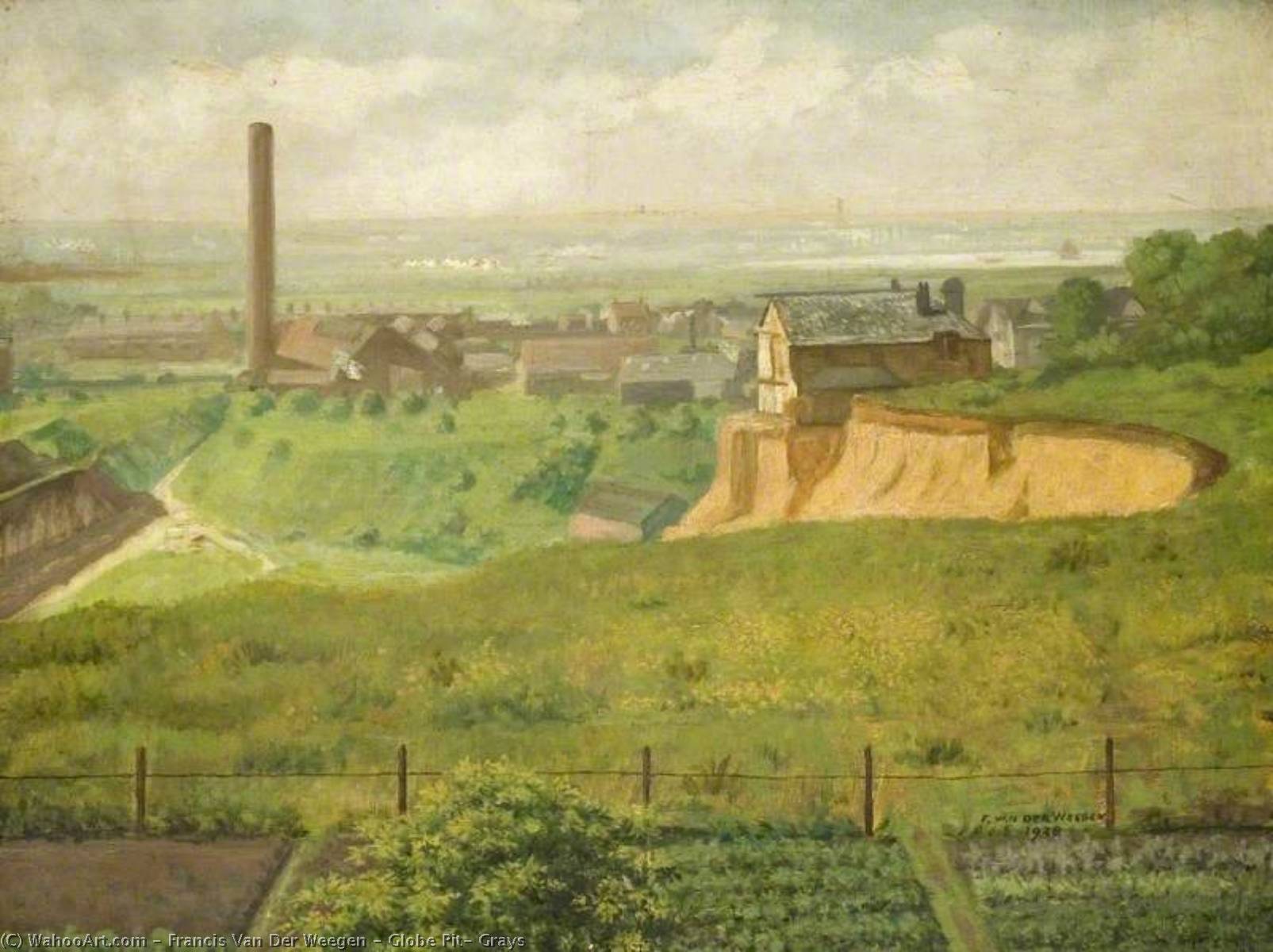
- Grays Revisited: Exploring Isolation and Remembrance: His depictions of Grays, particularly “Globe Pit,” reveal an enduring preoccupation with themes of solitude and memory. These canvases capture the desolate beauty of abandoned spaces, prompting contemplation on time’s passage and the lingering presence of past experiences.
His enduring influence can be discerned in subsequent generations of landscape painters who embraced a more expressive and psychologically nuanced aesthetic. Francis van der Weegen’s unwavering dedication to capturing the complexities of human emotion within the natural world cemented his place as one of the most innovative and emotionally resonant figures of his era.
Notable Achievements: Van der Weegen's meticulous anatomical studies and his masterful rendering of atmospheric conditions established him as a pivotal innovator in landscape painting. His pioneering exploration of psychological depth fundamentally reshaped artistic discourse, influencing artists who followed in his footsteps.
Influences: He drew inspiration from the visionary works of Hugo van der Goes and Rogier van der Weyden, absorbing their expressive techniques and thematic concerns. Leibl’s emphasis on tonal gradation and meticulous observation served as a cornerstone for Van der Weegen's artistic development.
Legacy: Today, Francis van der Weegen is remembered not merely as a skilled painter but as a visionary artist who fundamentally altered the artistic landscape of his time. His canvases continue to resonate with viewers seeking profound emotional engagement and intellectual stimulation—a testament to his enduring contribution to art history.


 Náhľad
 Prepnúť na tlač
 Odoslať
 Zdieľať
 Podrobnosti o dielo

 Stiahnuť
 Podobné diela
 RTG skúška
 Prezentácia
 Štatistiky

 Zobraziť viac






































 Možnosť skla je dostupná len pri rozmeroch pod 110 cm


