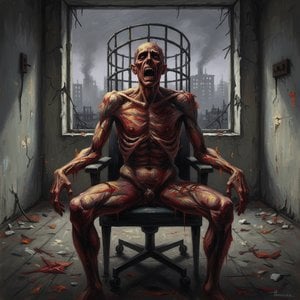
Život ponorený do intenzity
Francis Bacon, meno synonymné s najsurovejšími emóciami v umení 20. storočia, sa narodil v Dubline, Írsko, v roku 1909. Jeho umelecký duch však našiel svoju najpravdivejšiu podobu v turbulentnej atmosfére povojnovskej Británie. Ranné roky neboli pre Bacona stabilné; časté sťahovanie sa kvôli zdravotnému stavu matky v ňom vyvolalo pocit dezorientácie, ktorý hlboko ovplyvnil jeho pohľad na svet a nakoniec presiakol do jeho plátien. Komplikovaný vzťah k prísnemu otcovi a úzky vzťah s opatrovateľkou Jessie Lightfoot ešte viac formovali emocionálny terén jeho detstva. Pôvodne zaujatý dostihovými koňmi a životom hazardných hier Bacon blúdil rôznymi zamestnaniami, kým sa v neskorých dvadsiatych rokoch konečne venoval maľbe – oneskorený štart, ktorý možno zvýšil naliehavosť a intenzitu jeho neskorších diel. Nebol formálne vzdelaný, namiesto toho si vydláždil vlastnú cestu, absorboval vplyvy z rôznych zdrojov a rozvíjal jedinečne znepokojujúci vizuálny jazyk.
Počiatočné umelecké podnety
Baconovo umelecké prebudenie nebolo okamžité, ale skôr postupná akumulácia dojmov. Diela Pabla Picassa, najmä deformované figúry jeho raného kubistického obdobia, sa ukázali ako kľúčové pri oslobodení ho od tradičnej reprezentácie. Ďalšiu inšpiráciu našiel v strašidelnej fotografii Egona Schieleho, ktorého expresívne skreslenia ľudskej formy rezonovali s Baconovým vlastným narastajúcim záujmom o krehkosť a zraniteľnosť existencie. Avšak náhodné stretnutie s filmom Sergeja Eisenštejna *Potemkinova pancérnica* poskytlo zásadný katalyzátor. Vizuálne obrazy filmu, najmä detail tváre kričiacej v agónii, sa stali trvalým motívom Baconovho diela, reprezentujúc prvoradený teror a hlboké utrpenie človeka. Hlboko obdivoval aj starých majstrov, najmä Diega Velázqueza, ktorého *Portrét pápeža Innocenta X.* by neskôr vo svojej kariére slávne reinterpretoval, premieňajúc autoritatívnu pápežskú postavu na mučeného zjavenia. Tieto vplyvy neboli len štýlovými apropriáciami; boli absorbované a transformované cez Baconov vlastný jedinečný cit, čo viedlo k umeleckej vízii, ktorá bola hlboko osobná a zároveň univerzálne rezonujúca.
Formovanie charakteristického štýlu: Skreslenie a izolácia
Baconov prielom nastal s *Tri štúdie pre postavy pri základoch kríža* (1944), dielo, ktoré šokovalo a uchvátilo publikum v povojnovom Londýne. Tento triptych ustanovil jeho charakteristický štýl – deformované, fragmentované figúry izolované v klaustrofobických priestoroch. Neboli to zobrazenia náboženského mučeníctva, ale skôr vizuálne skúmania ľudskej úzkosti, zbavené akéhokoľvek upokojujúceho rozprávania alebo duchovného útechy. Jeho obrazy často obsahujú rozmazané alebo rozpúšťajúce sa formy, ktoré vyjadrujú pocit psychického zmätku a fyzickej zraniteľnosti. Často používal geometrické štruktúry – klietky, boxy – na obmedzenie svojich subjektov, zdôrazňujúc ich izoláciu a bezmocnosť. Bacónova paleta bola typicky tlmená a pochmúrna, odrážajúc temné témy, ktoré skúmal, hoci ju prerušovali výbuchy intenzívnej farby, ktoré zvýšili emocionálny dopad. Použitie týchto klietok nebolo len kompozičné zariadenie; symbolizovalo inherentné obmedzenia a reštrikcie uložené ľudskej existencii. Snažil sa zachytiť nielen *ako* veci vyzerajú, ale *ako sa cítia*, prekladajúc vnútorné stavy úzkosti, strachu a zúfalstva na plátno s brutálnou čestnosťou.
Témy smrteľnosti, úzkosti a ľudskej kondície
Počas svojej plodnej kariéry sa Bacon opakovane vracal k určitým motívom: kríž ako symbol utrpenia; portréty, ktoré sa ponárali do psychickej intenzity jeho subjektov, často priateľov a milencov, ako bol George Dyer; a autoportréty, ktoré slúžili ako introspektívne skúmania identity a smrteľnosti. Jeho séria *Štúdia podľa Velázquezovho portrétu pápeža Innocenta X.* (1953) je možno jedným z jeho najikonickejších diel, transformujúc dôstojný portrét Velázqueza na kričiace zjavenie, ktoré stelesňuje existenciálny strach. Portréty Georgea Dyera, jeho nestabilného milenca, sú obzvlášť dojemné, zachytávajúce intenzitu ich spojenia a nadchádzajúci tieň tragédie. Bacónova práca nebola o zobrazení konkrétnych jednotlivcov; išlo o skúmanie univerzálnych tém ľudskej zraniteľnosti, izolácie a nevyhnutelnosti smrti. Nebojoval sa tmavších aspektov existencie, ale čelil im priamo, nútili divákov konfrontovať svoju vlastnú smrteľnosť a úzkosť.
Trvalý odkaz: Výzva konvenciám
Vplyv Francisa Bacona na umenie 20. storočia je nepopierateľný. Vyzval tradičné predstavy o reprezentácii, odmietajúc idealizovanú krásu v prospech surového a nemilosrdného zobrazenia ľudskej kondície. Jeho dielo hlboko ovplyvnilo generácie umelcov, otvárajúc cestu novým formám vyjadrenia a spochybňujúc konvenčné umelecké hranice.
- Povývojný expresionizmus: Bacon je považovaný za kľúčovú postavu tohto hnutia, ktorá ovplyvňuje umelcov svojím odvážnym štýlom a psychologickou hĺbkou.
- Aukčné záznamy & múzejné výstavy: Jeho obrazy naďalej dosahujú vysoké ceny v dražbách a sú vystavované v významných múzeách po celom svete, čím sa upevňuje jeho miesto v dejinách umenia.
- Konfrontácia pravdy: Bacónov odkaz spočíva v jeho schopnosti konfrontovať nepohodlné pravdy o ľudskej existencii a preložiť tieto skúsenosti do silných a nezabudnuteľných obrazov.
Napriek turbulentnému osobnému životu poznačenému hazardom, pitím a komplikovanými vzťahmi zostal verný svojmu umeniu až do svojej smrti v roku 1992. Zanechal po sebe dielo, ktoré naďalej rezonuje s publikom dodnes, pripomínajúc nám krehkosť existencie a trvalú silu umenia konfrontovať najtemnejšie zákutia ľudskej duše. Jeho obrazy nie sú len obrázky; sú to viscerálne zážitky – dôkaz trvacej sily umenia provokovať, znepokojovať a v konečnom dôsledku osvetľovať komplexnosť toho, čo znamená byť človekom.



 Náhľad
 Kúpiť ručne maľovaný obraz
 Odoslať
 Zdieľať
 Podrobnosti o dielo

 Stiahnuť
 Podobné diela
 RTG skúška
 Prezentácia
 Štatistiky

 Zobraziť viac






































 Možnosť skla je dostupná len pri rozmeroch pod 110 cm