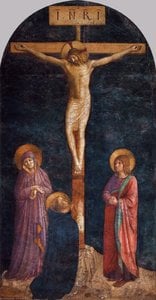
Fráň Angelico: Nebe v Farbách a Svetlo
Giovanni da Fiesole, známejší ako Fráň Angelico, je postava, ktorej meno evokuje pokoj, vieru a neobyčajnú umeleckú zručnosť. Jeho život, zasvätený dominikánskemu rehoľníckemu životu a tvorbe, sa odohrával v srdci Florencie rannej renesancie, no jeho dielo presahuje hranice času a kultúry. Narodil sa okolo roku 1395 v malebnej obci Rupesana, v toskánskych kopcoch blízko Florencie. O jeho detstve toho vieme málo, čo však určite platí, je, že už od mladosti prejavoval talent a záujem o umenie. Vstup do dominikánskeho rádu vo Fiesole bol zlomovým bodom v jeho živote. Prijal meno Fráň (Brať), a neskôr Angelico – „Anjelský Brať“ – názov, ktorý dokonale vystihoval nielen jeho rehoľnícke zasvätenie, ale aj éterickú krásu a hĺbku jeho tvorby. Počiatočná práca v ilumináciách rukopisov mu poskytla neoceniteľné skúsenosti s precíznosťou, farbami a rozprávaním príbehov prostredníctvom vizuálnych prvkov – zručnosti, ktoré neskôr využil pri tvorbe monumentálnych fresiek a panelových obrazov.
Od Vplyvov k Jedinečnému Štýlu
Fráň Angelico nepracoval v izolácii; jeho umenie bolo ovplyvnené prúdmi florentského maliarstva tej doby. Elegantná linearita a dekoratívne vzory Lorenza Monaca, významného maliara éry, sú zreteľné v jeho skorých dielach. No Fráň Angelico nebol len imitátorom. Začal syntetizovať tieto vplyvy s novým naturalizmom, pravdepodobne inšpirovaný prelomovými freskami Masaccia. Kým Masaccio revolucionalizoval maliarstvo dramatickým použitím perspektívy a realistickým zobrazením ľudskej formy, Fráň Angelico zvolil inú cestu. Perspektívu nepoužíval pre ňu samú o sebe, ale ako prostriedok na vytvorenie pohlcujúcejšieho duchovného zážitku. Jeho postavy, hoci pôvabné a často idealizované, vnášajú do obrazov tichú dôstojnosť a emocionálnu rezonanciu, ktorá presahuje len reprezentáciu. Najdôležitejšie je, že jeho umenie bolo neoddeliteľne spojené s vierou; považoval maliarstvo nielen za povolanie, ale aj za modlitbu – spôsob, ako kontemplovať božské a sprístupniť ho ostatným. Toto hlboko zakorenené presvedčenie vnášalo do každého ňho ťahu úctu a viernosť.
Fresky San Marca: Majstrovské Dielo Viery a Farieb
Fráň Angelicovými najvýznamnejšími dielami sú bezpochyby fresky vo florentskom klštore San Marco. Tieto diela, objednané dominikánskym konventom, vyžarujú pokojnú jednoduchosť a emocionálnu hĺbku, ktoré sa v renesančnom umení len málokedy stretávajú. Každá scéna – od Zvestovania k Ukrižovaniu – je prepojená s pocitom tichej kontemplácie, pozývajúcou divákov do osobného stretnutia so svätým príbehom. Fresky v San Marke nie sú len umeleckým majstrovským dielom, ale aj duchovným prostredím, ktoré povzbudzuje k modlitbe a rozjímaniu. Okrem San Marca sa jeho *Peruzská oltárna tabuľa* ukazuje ako ďalší významný prínos, najmä vďaka svojmu jemnému zobrazeniu Zvestovania. Motív Zvestovania sa opakuje v mnohých verziách počas celého jeho tvorivého obdobia, pričom každá je vykreslená s éterickou krásou a symbolickou bohatosťou. Diela ako *Svätý Ján Krstiteľ rozdáva almužnu* demonštrujú jeho zručnosť v kompozičnom rozprávaní a schopnosť vyjadriť ľudské emócie s citlivosťou a gráciou. Jeho paleta sa vyznačuje jasnými, čistými farbami – modrou, zlatou a červenou – ktoré zdajú sa žiarivé zvnútra, vytvárajúc atmosféru nadprirodzenej žiary.
Dedičstvo a Trvalý Vplyv
Fráň Angelico stojí ako kľúčová postava v rannej renesancii, stelesňuje fúziu náboženskej oddanosti a umeleckej inovácie. Nebol len maliarom; bol duchovným vizionárom, ktorý preložil svoju vieru do vizuálnej formy. Jeho dielo odráža humanistické ideály doby, zdôrazňujúc ľudskú dôstojnosť a potenciál duchovného kontemplovania. Giorgio Vasari, slávny umelecký historik, ho v *Životopise umelcov* chválil a vyhlásil, že žiadna chvála nedokáže plne zachytiť krásu jeho tvorby. Toto uznanie upevnilo jeho miesto v kanóne západného umenia. Jeho vplyv sa rozsiahol ďaleko za jeho vlastnú dobu, inšpirujúc generácie umelcov svojím oddaným štýlom a majstrovským používaním farieb. V roku 1982 ho pápež Ján Pavol II. oficiálne uznal za svätého tým, že ho blahoslavený – dôkaz hlbokého duchovného dopadu jeho života a diela. Dnes jeho umenie naďalej rezonuje s divákmi po celom svete, ponúkajúc nadčasové posolstvo viery, nádeje a krásy.
Kde Zažiť Jeho Umelctvo
- Museo di San Marco, Florencia: Toto múzeum uchováva najväčšiu a najvýznamnejšiu zbierku diel Fráňho Angelica, vrátane úchvatných fresiek z kláštora.
- Ľudovítov múzeum (Paríž): V rozsiahlej zbierke Ľudovíta sa nachádza niekoľko dôležitých obrazov od Fráňho Angelica.
- Národná galéria (Londýn): Národná galéria sa môže pochváliť výberom jeho diel, ponúkajúcim návštevníkom pohľad na jeho umeleckú genialitu.
- Santa Maria sopra Minerva, Rím: Tento kostol obsahuje fresky od Fráňho Angelica a je miestom, kde bol oficiálne blahoslavený.
- Početné ďalšie múzeá po celom svete vystavujú príklady jeho umenia, čo umožňuje širšiu apreciáciu jeho trvalého dedičstva.



 Náhľad
 Switch to Print
 Odoslať
 Zdieľať
 Podrobnosti o dielo

 Stiahnuť
 Podobné diela
 RTG skúška
 Prezentácia
 Stats
Stats

 Zobraziť viac






































 Možnosť skla je dostupná len pri rozmeroch pod 110 cm