Biografia umelca
Fernand Léger: Život Vytvarovaný Formou
Fernand Léger, narodený Joseph Fernand Henri Léger v roku 1881 v malej dedinke Argentan v Normandii, je zásadnou figúrou v evolúcii moderného umenia. Jeho cesta od poľnohospodárskych krajín detstva až po popredné miesto v parížskej avantgárdovej scéne je dôkazom neochrabného umeleckého zrakového zážitku a neustáleho úsilia o zachytenie ducha strojárstva. Na rozdiel od mnohých svojich kolegov, ktorí abstraktný um prispôsobili ako únik od reprezentácie, hľadal *integráciu* modernosti – jej dynamiku, mechanické formy, jej samotnú esenciu – do nového vizuálneho jazyka, ktorý bol zároveň silne abstraktný a hlboko zakorennený v pozoriteľnom svete. Jeho rané roky, sprevádzané fyzickou prácou na farmách, poskytli protiklad k priemyselnému budúcemu, ktorému sa tak vášnivým spôsobom venoval. Počiatok jeho života bol určený ako architekt, ale po presune do Paríža okolo roku 1900, kde si zarobil ako stavebný kresliar, sa venoval maľbe. Táto obdoba bola poznačená tradičnými akademickými vzdelávacími programami, no až objavenie revolučných diel Paula Cézanneho začalo prebiehať skutočná transformácia.
Narodenie ‘Tubizmu’ a Sekcia Zlatého
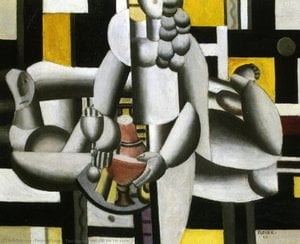
Retrospektíva Cézanneho v roku 1907 pôsobila ako katalyzátor, ktorý oslobodil Légera od konvenčných reprezentácií a poháňal ho k zameraniu sa na viac geometrický a štrukturálny prístup. Začal rozoberať formy, analyzovať ich základné štruktúry a znovu ich stavať na plátne s novým dôrazom na solídnosť a objem. Táto skúmanie rýchlo viedlo k jeho zapojeniu do okruhu Kubizmu, ale Léger nebol spokojný len s replikovaním štýlov Picasso alebo Braquea. Naopak, vyvinul svoj vlastný jedinečný idiom – osobnú formu kubizmu, ktorú kritici hravo preznamenali ako “Tubizmus”. Tento tubistický štýl sa vyznačoval cylindrickými formami, zredukovanými plochami a výraznými farebnými kontrastmi, oslavoval strojársku estetiku ešte predtým, než sa stala všeobecne rozšírenou. Jeho rané diela boli ovplyvnené impresionizmom a Cézanneho vplyvom, ktorý ho presvedčil o dôležitosti analýzy formy a objemu. Léger sa stal aktívnym účastníkom avantgárdového prostredia, pričom sa spojil s umelcami ako Jean Metzinger, Henri Le Fauconnier, Francis Picabia a Marcel Duchamp v skupine Puteaux, známej aj ako Sekcia Zlatého (The Golden Section). Táto skupina skúmala matematické princípy harmonie a proporcií, snažiac sa vniesť do svojho umenia pocit poriadku a racionality. Ich kolektívne výskumy posúvali hranice umeleckej tvorby a položili základy pre ďalšie rozvoj abstrakčného umenia.
Vojna, Mechanizácia a Nová Estetika
Rozruch prvej svetovej vojny zásadne ovplyvnil Légerov život a dielo. Jeho služba na fronte od roku 1914 do 1916 ho vystavila krutej realite moderného konfliktu – artilérijským útokom, leteckej bitke a dehumanizujúcim efektom mechanizovaných bojových prostriedkov. Táto skúsenosť nezaviedla neporiadok alebo odmietanie modernity; naopak, posilnila jeho fascináciu strojmi a ich mocou. Náčrtky, ktoré urobil počas svojej služby, dokumentovali krásu vojenských technológií v svetle, transformujúc zbrane ničenia na objekty umeleckého premýšľania. Po návrate do civilného života sa jeho estetika ďalej vyvíjala. Jeho maľby začali odrážať viac zredukovanú, mechanickú senzibilitu, oslavujúce dynamiku a efektívnosť priemyselného sveta. *Soldier s fajkom* (1916) je príkladom tohto posunu, ktorý zobrazuje zjednodušené formy a výrazné farby, ktoré evokujú pocit mechanickej presnosti. Toto nebolo len estetické rozhodnutie; bolo to filozofický vyhlásenie – potvrdenie potenciálu modernosti pre pokrok a obnovu, aj v období devastujúcich konfliktov.
Dielo a Trvalý Vplyv
V neskorších rokoch svojho života pokračoval Léger v skúmaní prepojenia umenia a priemyslu, vytváral diela oslavujúca moderné životy s jedinečnou kombináciou abstrakcie a figúry. Jeho séria *Animované krajiny* z roku 1921 ukázala postavy a zvieračky integrované do zredukovaných kompozícií, rozmaznáva hranice medzi organickým a neorganickým. Bol tiež experimentálny v sochách a filmovej tvorbe, rozširujúc svoj umelecký obzor za hranice tradičnej maľby. Légerov vplyv na ďalšie generácie umelcov je nepopierateľný. Jeho zredukovaná reprezentácia formy, prijatie strojárskej imagery a oslava populárnej kultury predznamenali nástup Pop Art desaťročia skôr. Umelci ako Roy Lichtenstein a Andy Warhol v ňom videli jasný dlh. Léger premostil medziu abstraktným umením a reprezentáciou, dokázal, že je možné vytvárať diela, ktoré sú zároveň intelektuálne náročné a vizuálne pútavé. Dnes sú maľby Fernanda Légera vystavené v hlavných múzeách po celom svete, vrátane Muzea umenia a dejín v Paríži a Muzea Fernanda Légera, špecificky venovaného jeho dielu. Zostáva zásadnou figúrou 20. storočia – vizionárom, ktorý odvážne hľadal krásu v strojárskom svete a prenášal jeho energiu na plátno s nevídanou odvahou a originalitou.



 Zobraziť v interiéri
 Objednať ručne maľovanú reprodukciu
 Odoslať
 Zdieľať
 Podrobnosti
 Príručka

 Stiahnuť
 Podobné položky
 RTG skúška
 Prehliadanie diapo\]
 Štatistiky

 Prečítať si viac






































 Možnosť skla je dostupná len pri rozmeroch pod 110 cm