Predávajte


x
-
Kúpiť
Obrazy na mieru Personalizované umelecké printy Premeňte svoju fotografiu na umelecké dielo Prehliadajte podľa témy Prehliadajte podľa miestností Asistent dekorovania: Obývačka Asistent dekorovania: Kancelária Nakupujte podľa príležitosti Nakupujte obrazy skladomNakupte naše autorské diela Preskúmajte partnerské ateliéry Získajte bezplatné odporúčania na umenie Sprievodca zberateľom: Ako si vybrať svoje prvé majstrovské dielo Sprievodca dekorovaním pomocou reprodukcií umenia Služby darčekovania Sprievodca darovaním umenia v korporátnom prostredí Môj nákupný košík Môj profil, Obľúbené, Objednávky
-
Umenia
Všetci umelci Top 100 umelcov Podľa umeleckých období Podľa abecedy Všetky médiá Všetky techniky Podľa krajiny narodenia Podľa historických období Podľa emócií Podľa nálad a emócií Podľa fáz kariéryPodľa farebnej skladby diel Podľa roku narodenia Podľa intenzity farieb Podľa umeleckého diela Slávni umelci, ktorí zmenili svet Vzostup ženských umelkyň Majstri renesancie Objednávka umelenských diel dnes Spôsob našej spolupráce so súkromnými zberateľmi Budovanie umeleckého portfólia pre korporátny sektor
- Umelecké diela
- Techniky a štýly
- Múzeá
-
Články
Všetky články Najčítanejších 100 článkov Podľa kľúčových slov Podľa kategórií Podľa tónu a štýlu Časová os os umenia Základy zbierania umenia Spoznávanie umeleckých smerov Majstrovské diela dejínFarba a emócia v umení Prezentácia umenia v domove Umenie a emócie: Dekorovanie podľa atmosféry a nálady Príručky dekorovania podľa typu miestnosti Kurátorsky vybrané sezónne kolekcie Umenie ako investícia Korporátne umenie: Inšpirujte svoj pracovný priestor kreatívnosťou Darčeky na svadby a výročia Príbeže a skúsenosti zákazníkov
-
Služby
Z fotografie na obraz Z fotky na umelecký print Vaša fotografia ako umelecké dielo Artový sprievodca Žiadať o cenovú ponuku Exkluzívne VIP objednávky umenia Odhad hodnoty umenia Predávajte ako galéria Bezplatná kurátorska selekcia Získajte bezplatné odporúčania na umenie Od fotografie k obrazu: Cesta k vytvoreniu vlastného portrétu Postup maľovania

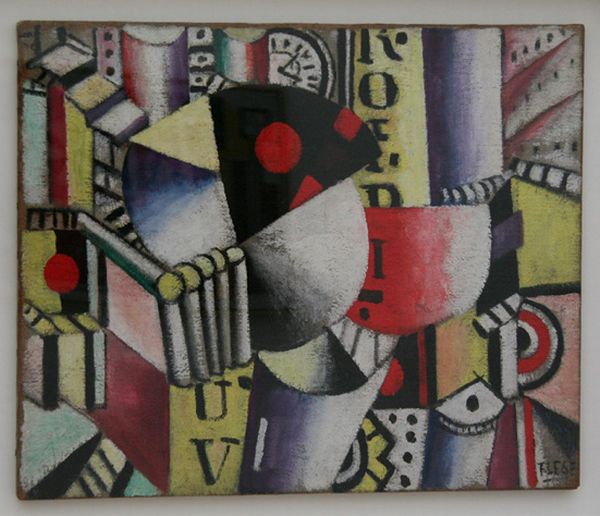
 Náhľad
 Kúpiť ručne maľovaný obraz
 Odoslať
 Zdieľať
 Podrobnosti o dielo

 Stiahnuť
 Podobné diela
 RTG skúška
 Prezentácia

 Zobraziť viac






































 Možnosť skla je dostupná len pri rozmeroch pod 110 cm