Zobraziť v interiéri Náhľad v AR Objednať ručne maľovanú reprodukciu Prepnúť na digitálnu verziu obrazu Odoslať
Podrobnosti Príručka Pridať do obľúbených Stiahnuť Podobné položky RTG skúška Prehliadanie diapo\] Štatistiky

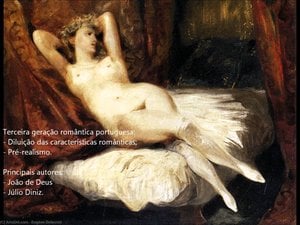
Andromeda

Eugène Delacroix: popredný predstaviteľ francúzskeho romantizmu! Objavte jeho dramatické obrazy ako Sloboda vedie ľud, exotické témy a majstrovskú hru farieb. Významný maliar 19. storočia.

Giclée / Umenotlač

Giclée tlač alebo plátno múzeálnej kvality s rýchlou výrobou a rôznymi možnosťami povrchovej úpravy. ( Objednať ručne maľovanú reprodukciu Prepnúť na digitálnu verziu obrazu)

Corner sample of the P118B picture frame: lisovaný polystyrén, 5 cm wide and 3 cm thick
P118B €10
Corner sample of the P118H picture frame: lisovaný polystyrén, 5 cm wide and 3 cm thick
P118H €10
Corner sample of the P118W picture frame: lisovaný polystyrén, 5 cm wide and 3 cm thick
P118W €10
Corner sample of the P438Z picture frame: lisovaný polystyrén, 5.5 cm wide and 3.5 cm thick
P438Z €10
Corner sample of the P508JH picture frame: lisovaný polystyrén, 7 cm wide and 3.5 cm thick
P508JH €12
Corner sample of the P508YH picture frame: lisovaný polystyrén, 7 cm wide and 3.5 cm thick
P508YH €12
Corner sample of the P805H picture frame: lisovaný polystyrén, 5 cm wide and 3.5 cm thick
P805H €10
Corner sample of the P805Z picture frame: lisovaný polystyrén, 5 cm wide and 3.5 cm thick
P805Z €10
Corner sample of the P919BZ picture frame: lisovaný polystyrén, 7 cm wide and 3.5 cm thick
P919BZ €10
Corner sample of the P919G picture frame: lisovaný polystyrén, 7 cm wide and 3.5 cm thick
P919G €10
Corner sample of the P919XJ picture frame: lisovaný polystyrén, 7 cm wide and 3.5 cm thick
P919XJ €10
Corner sample of the P959ZH picture frame: lisovaný polystyrén, 5 cm wide and 3 cm thick
P959ZH €10
Corner sample of the P968JZ picture frame: lisovaný polystyrén, 6 cm wide and 4 cm thick
P968JZ €12
Corner sample of the W106C picture frame: masívne drevo, 5 cm wide and 3 cm thick
W106C €8
Corner sample of the W218G picture frame: masívne drevo, 5 cm wide and 3 cm thick
W218G €10
Corner sample of the W218JH picture frame: masívne drevo, 5 cm wide and 3 cm thick
W218JH €8
Corner sample of the W218Y picture frame: masívne drevo, 5 cm wide and 3 cm thick
W218Y €10
Corner sample of the W307PJ picture frame: masívne drevo, 6 cm wide and 3 cm thick
W307PJ €10
Corner sample of the W316G picture frame: masívne drevo, 6 cm wide and 3 cm thick
W316G €10
Corner sample of the W316PJ picture frame: masívne drevo, 6 cm wide and 3 cm thick
W316PJ €8
Corner sample of the W316Y picture frame: masívne drevo, 6 cm wide and 3 cm thick
W316Y €10
Corner sample of the W398PJ picture frame: masívne drevo, 5 cm wide and 3 cm thick
W398PJ €8
Corner sample of the W4111J picture frame: masívne drevo, 6.5 cm wide and 3.5 cm thick
W4111J €10
Corner sample of the W500HY picture frame: masívne drevo, 7 cm wide and 5 cm thick
W500HY €15
Corner sample of the W500JH picture frame: masívne drevo, 7 cm wide and 5 cm thick
W500JH €15
Corner sample of the W692G picture frame: masívne drevo, 8 cm wide and 4 cm thick
W692G €12
Corner sample of the W849H picture frame: masívne drevo, 5 cm wide and 3 cm thick
W849H €8
Corner sample of the W940BG picture frame: masívne drevo, 7.5 cm wide and 4.5 cm thick
W940BG €15
Corner sample of the W953PJ picture frame: masívne drevo, 6 cm wide and 3.5 cm thick
W953PJ €8

Štandardné rozmery
na mieru
CM
INCH

Vyberte si z našich preddefinovaných rozmerov, ktoré zodpovedajú pôvodným pomeroḿ diela.

šírka
výška

Zadajte šírku a výšku, ktoré potrebujete, aby sa reprodukcia hodila k vášmu rámu alebo stene. Print možno len orezávať, nikdy však nemennú veľkosť zvětšiť oproti pôvodnému obrázku, preto pri inom formáte stráca časť obrazu. Pred samotným vytlačiacím procesom vám pošleme digitálny náhľad na schválenie. Obrázok zobrazený na tejto stránke nezobrazuje reálny rez — len digitálny náhľad ukazuje presný výsledok.

Celosvetová doprava () do 2 týždňov namiesto štandardných 4 až 5 týždňov. (25 október)

Bezplatná expresná doprava po celom svete
Vysokokvalitné lnianske plátno
Úplné poistenie prepravy
Záruka vrátenia colného poplatku
Záruka presného farebného zhodnutia
100-dená politika vrátenia tovaru (iba pri vadách)
100% záruka vrátenia peňazí
Ponuka množstevnej zľavy

Celková cena

€ 60

Andromeda

Giclée / Umenotlač

Veľkosť reprodukcie

-

Celková cena

€ 60

Rýchle fakty

  • Artistic style: Dramatic lighting, emotion
  • Subject or theme: Mythological tale
  • Medium: Oil on canvas
  • Artist: Eugène Delacroix
  • Notable elements: Nude figure, tranquility
  • Year: 1852

Kvíz o umení

Pri každej otázke je iba jedna správna odpoveď.

Otázka 1:
What artistic movement is Eugène Delacroix’s ‘Andromeda’ primarily associated with?
Otázka 2:
The story of Andromeda depicted in this painting originates from which Greek mythology?
Otázka 3:
What material is primarily used in the creation of ‘Andromeda’?
Otázka 4:
Where can one currently view Eugène Delacroix's 'Andromeda'?
Otázka 5:
Which element is most emphasized in Delacroix’s depiction of Andromeda to convey a sense of introspection?

Delacroix’s “Andromeda”: A Romantic Tapestry of Myth and Emotion

Eugène Delacroix's "Andromeda," painted in 1852, is more than just a depiction of a classical myth; it’s a profound exploration of human vulnerability, celestial longing, and the raw power of Romantic emotion. This oil on canvas, measuring a modest 33 x 25 cm, currently residing within the Museum of Fine Arts, Houston, Texas, immediately captivates with its dramatic lighting and vibrant color palette – hallmarks of Delacroix’s signature style. The painting transports us to a desolate, windswept landscape, dominated by towering mountains that seem to press down upon the central figure, instantly establishing a sense of isolation and impending doom. Delacroix masterfully employs chiaroscuro—the dramatic contrast between light and shadow—to sculpt Andromeda's form, emphasizing her physical vulnerability against the vastness of the heavens. The loose brushstrokes, characteristic of Romanticism, create an almost turbulent surface, mirroring the emotional turmoil within the subject.

The Mythological Narrative: A Tale of Fate and Despair

The story of Andromeda originates from ancient Greek mythology, a poignant tale of divine punishment and heroic intervention. She was chained to a rock as a sacrifice to the monstrous sea serpent Cetus, destined to be devoured unless rescued by Perseus. Delacroix doesn’t simply illustrate this narrative; he imbues it with an intensely personal resonance. Andromeda is not merely a passive victim; she possesses a quiet dignity and a contemplative gaze that suggests resilience rather than despair. Her hands are gracefully positioned behind her back, a gesture of both restraint and a subtle defiance against her fate. The upward tilt of her head, directed towards the unseen stars, speaks to an enduring hope—a yearning for salvation or perhaps simply a connection with something beyond her earthly predicament. The artist deliberately avoids depicting the rescue by Perseus, choosing instead to focus on Andromeda’s internal state and her relationship with the natural world.

Romanticism in Color and Composition: A Symphony of Feeling

“Andromeda” is a quintessential example of Romantic art—a movement that prioritized emotion, imagination, and individualism over classical restraint. Delacroix's use of color is particularly striking. He employs rich, saturated hues – deep blues and purples for the stormy sky, earthy browns and ochres for the rocks – to create a sense of drama and intensity. The light, seemingly emanating from an unseen source, washes over Andromeda’s body, highlighting her form while simultaneously emphasizing her isolation. The composition itself is carefully constructed to draw the viewer into the scene. The diagonal lines created by the mountains and the rocky terrain lead the eye towards Andromeda, creating a sense of movement and drawing us into her world. Furthermore, Delacroix's decision to place her in such a desolate landscape underscores the Romantic fascination with the sublime—the awe-inspiring power and beauty of nature that simultaneously evokes both terror and wonder.

Symbolism and Emotional Resonance: A Portrait of Human Experience

Beyond its mythological subject matter, “Andromeda” operates on a deeper symbolic level. The chained figure represents not only Andromeda’s physical imprisonment but also the broader human condition—the feeling of being trapped by circumstance, fate, or personal struggles. The vastness of the sky and the turbulent landscape serve as metaphors for the uncertainties and challenges of life. Yet, despite her predicament, Andromeda retains a sense of inner strength and serenity. Her gaze suggests an acceptance of her fate, a quiet contemplation of her situation, and perhaps even a glimmer of hope. The painting’s enduring appeal lies in its ability to tap into universal human emotions—longing, vulnerability, resilience, and the search for meaning in a seemingly indifferent universe. It is a testament to Delacroix's skill as an artist and his profound understanding of the human heart.

For more information on Eugène Delacroix and his works, visit /art/list/?Filter=eugène+delacroix,eugène,delacroix.

To explore other paintings by the artist, including Perseus and Andromeda, see /art/list/?Filter=8YDM43-Eugene-Delacroix-Perseus-and-Andromeda.

The Musée Eugène Delacroix in Paris is also a must-visit destination for art enthusiasts, offering a unique glimpse into the life and work of this renowned artist: /art/list/?Filter=A@D3CET9-Discover-the-Musee-Eugene-Delacroix-a-Hidden-Gem-in-Paris.

Otázky a odpovede

Akú atmosféru má dielo „Andromeda“?

„Andromeda“ má Romantic atmosféru.

Môžem si pozrieť RTG pohľad diela „Andromeda“ od Eugéne Delacroix?

Dielo „Andromeda“ je možné skúmať vrstvu po vrstve na stránke RTG skenovanie, ktorá slúži ako interaktívny prehliadač inšpirovaný konzervačným svetelným stolom a ponúka jednaásť optických náhľadov na obraz.

Je k dispozícii prezentácia pre „Andromeda“ od Eugéne Delacroix?

Diaporama diela „Andromeda“ si môžete pozrieť na stránke Diaporama daného diela.


Biografia umelca

Revolučné štetce: Život a odkaz Eugèna Delacroixa

Ferdinand Victor Eugène Delacroix, narodený v Charenton-Saint-Maurice neďaleko Paríža v roku 1798, bol viac než len maliar; bol zosobnením vášnivého ducha romantizmu. Vznikol ako popredná postava francúzskeho umenia počas obdobia spoločenských otrasov a posúvajúce sa estetiky ideálov. Delacroix odmietol prísny formalizmus neoklasicizmu, namiesto toho prijal drámu, emócie a živú paletu farieb, ktorá navždy zmenila chod maľby. Jeho život, poznačený osobnými tragédiami, sa stal neoddeliteľne spojený s jeho umeleckou víziou – snahou zachytiť sublime, preskúmať exotické svety a vyjadriť surovú silu ľudskej skúsenosti.

Delacroixove rané roky formovala komplexná rodinná história a mierne krehké zdravie. Zostal sirotou v šestnástich rokoch a našiel vedenie vplyvnej postave Charles-Maurice de Talleyrand-Périgorda, ktorého mnohí považovali za svojho pravého otca. Toto spojenie mu poskytlo kľúčovú patronáž a prístup do parížskeho umeleckého sveta. Najprv študoval u Pierre-Narcisse Guérina, rešpektovaného akademického maliara, ale práve dielo Théodora Géricaulta – najmä jeho monumentálna *Raft Medúzy* – skutočne zapálilo Delacroixovu umeleckú vášeň. Dokonca pózoval pre Géricaulta a absorboval od staršieho umelca oddanosť realizmu a emocionálnej intenzite.

Od historických scén k exotickým víziám

Delacroix prerazil na Salóne v roku 1822 s *Dante a Virgílius v pekle*, dielo, ktoré okamžite signalizovalo jeho odklon od zavedených noriem. Inšpirovaný Dante Alighieriho *Infernom* maľba predstavovala odvážne použitie farieb, dynamické kompozície a hmatateľný pocit psychického zmätku. Toto znamenalo začiatok kariéry venovanej skúmaniu tém vášne, konfliktu a ľudskej kondície. Hoci sa stretol so zmiešanými reakciami – niektorí kritici chválili jeho originalitu, iní odmietali jeho prácu ako chaotickú a postrádajúcu klasické zdokonaľovanie – Delacroix vytrval a rozvíjal osobitý štýl charakterizovaný voľnou maľbou štetcom, bohatými textúrami a dôrazom na pohyb.

Jeho fascinácia presahovala historické a literárne témy. Kľúčová cesta do severnej Afriky v roku 1832 hlboko ovplyvnila jeho umeleckú trajektóriu. Ponorený do živého kultúry Maroka bol Delacroix očarený exotickou krajinou, kočovným životným štýlom arabských kmeňov a intenzitou ich tradícií. Táto skúsenosť vniesla do jeho obrazov nový pocit farieb, svetla a energie, ako je vidieť na dielach ako *Arab Horses Fighting* a početných štúdiách alžírskych životov. Nesnažil sa len dokumentovať tieto scény; hľadal pochopenie základného ducha kultúry výrazne odlišnej od jeho vlastnej.

Sila farieb a politické angažovanie

Delacroixova majstrovská znalosť farieb je možno jeho najtrvalejším dedičstvom. Inšpiroval sa baroknou exuberanciou Rubensa a benátskych renesančných majstrov, pričom uprednostňoval chromatickú intenzitu pred presným kreslením. Pochopil, že farba môže vyvolať emócie, vytvárať atmosféru a odovzdávať význam spôsobmi, ktoré čiara sama o sebe nedokáže. Tento inovatívny prístup hlboko ovplyvnil nasledujúce generácie umelcov a pripravil cestu pre impresionizmus a postimpresionizmus.

Okrem svojich estetických inovácií bol Delacroix politicky angažovaný umelec. Jeho najikonickejšie dielo, *Sloboda vedie ľud* (1830), nie je len zobrazením júlovej revolúcie; je to silná alegória slobody a povstania. Dynamické kompozície maľby, alegorické postavy a surová emocionálna sila upevnili jej miesto v dejinách umenia ako symbol francúzskej národnej identity a revolučných ideálov. Nešlo len o dokumentovanie udalosti; išlo o zachytenie ducha národa bojujúceho za slobodu.

Trvalý vplyv

Delacroix pokračoval v plodnom maľovaní počas celého svojho života a skúmal rôznorodé témy od shakespearovských tragédií po biblické príbehy. Podieľal sa aj na významnej miere ako litograf, ilustrujúc diela literárnych gigantov ako William Scott a Johann Wolfgang von Goethe. Jeho štúdio sa stalo centrom umeleckých výmen, priťahujúc ambicióznych maliarov, ktorých zaujal jeho nekonvenčný prístup.

Do času svojej smrti v roku 1863 si Delacroix pevne upevnil pozíciu jedného z najväčších umelcov Francúzska. Jeho vplyv presahoval romantické hnutie a formoval vývoj moderného maliarstva, inšpiroval nespočetných umelcov svojím odvážnym použitím farieb, dynamickými kompozíciami a neochvejnou oddanosťou emocionálnemu vyjadreniu. Zostáva kľúčovou postavou v dejinách umenia – svedectvom o sile individuálnej vízie a trvalej príťažlivosti sublime.

Eugéne Delacroix

Eugéne Delacroix

1798 - 1863 , Francúzsko

Rýchle fakty

  • Artistic Movement Or Style: Romantizmus
  • Artists Or Movements Influenced By This Artist:
    • Impresionizmus
    • Postimpresionizmus
  • Artists Who Influenced This Artist:
    • Rubens
    • Talianski renesanční majstri
  • Date Of Birth: 26. apríl 1798
  • Date Of Death: 13. august 1863
  • Full Name: Eugène Delacroix
  • Nationality: Francúz
  • Notable Artworks:
    • Liberty Leading the People
    • The Death of Sardanapalus
    • Arab Horses Fighting
  • Place Of Birth: Chantonnay, Francúzsko
Preskúmajte umelecká diela usporiadané podľa tém, štýlov a charakteristík.