Biografia umelca
A Life Etched in Symbolism: The World of Ferdinand Hodler
Ferdinand Hodler, meno spätrománskeho umelca pevne spojené s krajinným obrazom Švajčiarska a silnou symbolickou rečou, sa z modestých začiatkov vypracoval na jedného z najvýznamnejších umelcov konca 19. a začiatku 20. storočia. Narodil sa v Bernu, Švajčiarsko, v roku 1853, jeho život bol hlboko ovplyvnený skorými stratami – opakujúcim sa motívom, ktorý prejavoval vo svojich umeleckých dielach. Nečasný smrť otca a dvoch mladších bratov pred tým, ako dovŕšil desať rokov, zanechal v ňom hlbokú úvahu o smrtiabloosti a plytkej povesti existencie. Tieto skúsenosti, spletené s citlivým vnímaním krásy a síl prírody, sa stali základnými piliermi jeho rozvíjajúceho sa diela. Počas svojho detstva bol Hodler najprv učni dekoračného maľára, no jeho vrodený talent prekrížil hranice obyčajnej remeselnosti; túžil po formálnom vzdelaní a umeleckej skúmaní za hranicami obmedzení komerčného diela. Tento ambiciózny cieľ ho viedol do Ženevy v roku 1871, kde sa ponoril do štúdia, zúčastňoval sa vedeckých prednášok po boku dôsledného kópiovania majstrovských diel v múzeu mesta – rozsiahle vzdelanie, ktoré položilo základy pre jeho budúce inovácie.
Od Realizmu k “Paralélizmu”: Vytváranie Jedinečnej Vizuálnej Jazyka
Hodlerov umelecký putovanie bolo charakterizované neustálym vývojom a neúnavným hľadiskom expresívneho síl. Jeho skoré diela odrážali vládnuci realistický štýl doby – portréty, krajinky a žánrové scény vykonávané s precíznym detailom. Čoskoro sa však ocitol obmedzený týmito konvenciami, hľadajúc prostriedok na vyjadrenie hlbších emócií a filozofických myšlienok. Táto túžba ho viedla k Symbolizmu, prúdu, ktorý odmietal naturalistickú reprezentáciu vo prospech subjektívneho zážitku a evokujúcich obrazov. Hodler však nechal symbolizmus lenja – namiesto toho si vytvoril svoj vlastný jedinečný smer, vyvinul čo nazýval “paralélizmom”. Tento charakteristický štýl zahŕňal usporiadanie postáv a foriem v rytmických, takmer geometrických vzoroch, čím vytváral pocit harmonie aj napätia – vizuálnu reprezentáciu prepojenosti všetkého. Bolo to snahou nielen *zobraziť*, čo videl, ale *ako* cítil – podvedomé prúdy, ktoré spájajú všetky veci. Nočná scéna (1890), ktorú dokončil, sa stala kľúčovým dielom, ktorý pevne stanovil smer jeho symbolistického umeleckého vyjadrenia a vyvolal značnú kontroverziu s jej znázorňovaním ležiacich postáv naznačujúcich smrť a pokoj. Hoci bola právočinne kritizovaná, obraz získalpozornosť v Paríži, čím etabloval Hodlerovu povesť za hranicami Švajčiarska a signalizoval príchod jednéhošou vlastnej hlasu.
Kľúčové Práce a Ich Význam
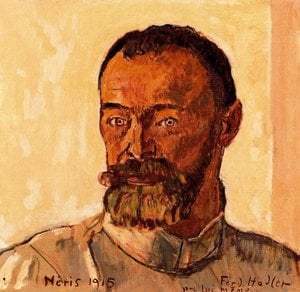
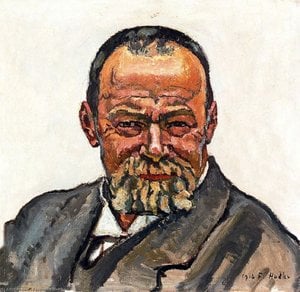
Počas svojho plodného života vytvoril Hodler obrovský počet diel, ktoré sa dodnes rezonujú s publikom. Dňová scéna (1893), ktorú dokončil, je jedným z jeho najambicióznich a najvýznamnejších dosiahnutí – monumentálna historická maľba, ktorá demonštruje jeho mistrovstvo v kompozícii a symbolike. Umiestnená v Kunsthaus Zürich, toto dielo je silnou meditáciou o živote, smrti a obnove, zobrazovaná s úžasným spojením realizmu a vizionárskej intenzity. Obrovská škála a emocionálna váha Dňovej scény pevne zabezpečili Hodlerovu pozíciu medzi vedúcimi európskymi umelcami. Medzi ďalšie významné diela patria mnohé znázornenia švajčiarskych hôr, naplnené pocitom úžasnej nádhery a paralelnými obrazmi s jeho symbolizmom. Portréty odhaľujú jeho hlboké porozumenie ľudskej psychike. Hodler často sa vrátil k témám straty a smútku, možno ako reakcia na svoje vlastné detské traumata, ale vždy ich obohatil o pocit dôstojnosti a odolnosti. Jeho maľby neboli len reprezentácie; boli emocionálne krajiny, ktoré vyzývajú divákov na rozvoj myšlienok o základných otázkach existencie. Práce ako Skutočnosť II (1897) ukazujú jeho schopnosť spájať klasické formy s modernými zmyselmi, čím vytvárajú obrazy, ktoré sú zároveň nečasné a výrazne súčasné – dôkazom jeho inovatívneho ducha.
Trvalé Dedičstvo: Vplyv a Historický Kontext
Hodlerov vplyv sa rozšiel za hranice Švajčiarska. Jeho inovatívny prístup k symbolizmu a vývoj “paralélizmu” položil základy pre expresionizmus, ktorý kladie dôraz na subjektívne emócie a deformované formy. Umelci, ktorí nasledovali jeho chod, ho považovali za predchodcu svojich vlastných skúmaní vnútornej skúsenosti. Hodlerov dielo rezonovalo aj s širšími kultúrnymi prúdmi konca 19. a začiatku 20. storočia – obdobia rýchlej spoločenskej zmeny, vedeckého pokroku a rastúceho pocitu existenciálnej úzkosti. Jeho maľby ponúkli vizuálnu reč na zvládanie týchto zložitých otázok, poskytli útechu a vhľad v stále sa meniacej svete. Dnes sú diela Hodlera vystavené v hlavných múzeách po Európe a za ňou. Jeho umelecký zrak je oslavovaný nie len pre jeho technickú zručnosť, ale aj pre svoju hlbokú emocionálnu hĺbku a neochabujúcu snahu o skúmanie tajomstiev ľudského stavu.



 Zobraziť v interiéri
 Objednať ručne maľovanú reprodukciu
 Odoslať
 Zdieľať
 Podrobnosti
 Príručkovo

 Stiahnuť
 Podobné položky
 RTG skúška
 Prehliadanie diapo\]
 Štatistiky


 Prečítať si viac






































 Možnosť skla je dostupná len pri rozmeroch pod 110 cm