Oil On CanvasWallArtSymbolism
 187919th Century
 72.0 x 102.0 cm
Giclée tlač alebo plátno múzeálnej kvality s rýchlou výrobou a flexibilnými možnosťami povrchovej úpravy. ( Kúpiť ručne maľovaný obraz Kúpiť obrázok)





























Vyberte si z našich preddefinovaných rozmerov, ktoré zodpovedajú pôvodným pomeroḿ diela.

Môžete zadať vlastné rozmery, aby sa reprodukcia prispôsobila konkrétnemu rámu alebo priestoru. Ak zvolená veľkosť nebude zodpovedať proporciám originálu, dielo buď orežeme, alebo obraz rozšírime pomocou zrkadlenia či farebného doplnenia okrajov. Pred začatím výroby vám pošleme digitálnu ukážku na schválenie.
Máte na vedomí, že náhľad na obrazovke neodzrkadľuje skutočné orezanie alebo rozšírenie. Len digitálna ukážka presne zobrazí finálnu kompozíciu.
Hoci sú k dispozícii vlastné rozmery, pre zachovanie pôvodných proporcií odporúčame vybrať si rozmer z vopred definovaného zoznamu.
Celosvetová doprava () do 2 týždňov namiesto štandardných 4/5 týždňov. (7 september)


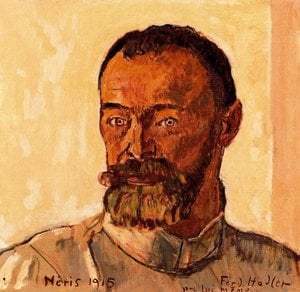
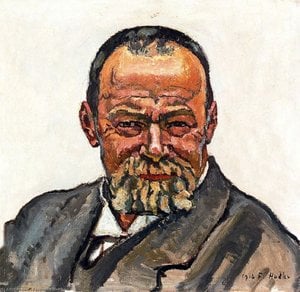
Self-portrait with stand
Veľkosť reprodukcie
To stand before Ferdinand Hodler’s Self-portrait with stand is to encounter a moment suspended between public presentation and private contemplation. This striking work, dating from 1879, captures the artist not merely as a likeness, but as a study in poised masculinity and burgeoning artistic self-awareness. The subject, impeccably dressed in a suit and tie, adopts a formal bearing, suggesting an occasion of importance or perhaps simply the necessary facade required by society. Yet, it is within this carefully constructed exterior that Hodler invites us to look deeper, past the polished surface toward the profound currents of the soul.
Hodler’s work is deeply rooted in the potent current of Symbolism, a movement fascinated by the unseen realities—the emotions, the myths, and the inner landscape of the human spirit. In this self-portrait, that symbolism manifests through the subject's gaze. He appears to be looking just off-camera, suggesting an engagement with something beyond the frame, perhaps the viewer’s own reflection or a memory only he possesses. The black and white quality of the photograph itself enhances this sense of timeless drama, emphasizing the stark interplay between light and shadow across his features and attire. It is a portrait that whispers rather than shouts, demanding quiet attention from the admirer.
The technical execution speaks to Hodler’s formidable skill, honed through years of dedication to painting. While the original medium lends itself to rich texture, the photograph highlights the masterful handling of tonal contrast—the deep shadows anchoring the figure against the backdrop, and the subtle gradations of light defining the planes of his face. The composition is classically balanced, yet imbued with a modern psychological tension. For those considering bringing this piece into your curated space, understanding this balance between formal structure and emotional depth is key; it functions beautifully as a sophisticated focal point.
Painted in 1879, this work sits at a fascinating juncture in art history. Hodler was navigating the transition from academic training toward the more emotionally charged language of Symbolism. His early life experiences—marked by profound loss—are often reflected in his art, lending an undercurrent of melancholy contemplation to even his most outwardly composed subjects. This self-portrait is therefore not just a record of appearance; it is a document of an artist solidifying his unique voice against the backdrop of late 19th-century artistic upheaval.
Owning a reproduction of this piece allows one to connect intimately with Hodler’s journey. It offers more than mere decoration; it provides a sophisticated narrative anchor for any room, whether in a formal drawing-room or a thoughtfully designed study. The enduring power of Self-portrait with stand lies in its ability to prompt dialogue—not about the man depicted, but about introspection itself. It is an artwork that rewards prolonged viewing, inviting the collector and designer alike to pause, reflect, and absorb the quiet drama captured by the Swiss master.


1853 - 1918 , Švajčiarsko

Explore the profound tension between Impressionism's light-drenched realism and Symbolism's evocative dreamscapes. An expert art-historical journey into how 19th-century masters captured both the visible world and the unseen human psyche through myth, metaphor, and emotion.

Master the art of visual literacy with our professional guide to formal art analysis. Learn to decode line, color, composition, and texture to uncover the profound meaning behind every masterpiece through a structured, academic lens.

 Náhľad
 Odoslať
 Zdieľať
 Podrobnosti o dielo

 Stiahnuť
 Podobné diela
 RTG skúška
 Prezentácia
 Zobraziť viac







 Možnosť skla je dostupná len pri rozmeroch pod 110 cm