BEZPLATNÉ UMENÍCKE PORADENSTVO

x
Objednať reprodukciu Objednať reprodukciuKúpiť digitálnu verziu Kúpiť digitálnu verziu OdoslaťOdoslať
PodrobnostiPodrobnosti Pridať do obľúbených Pridať do obľúbených StiahnuťStiahnuť Podobné dielaPodobné diela RTG skúškaRTG skúška PrezentáciaPrezentácia

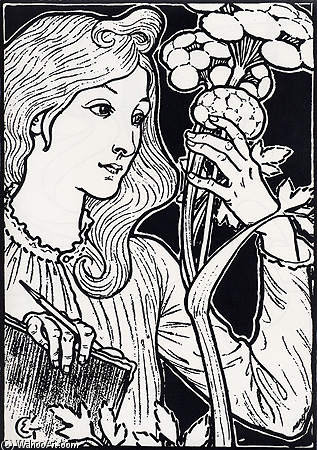
Poster Study

Eugén Carrière (1845 - 1917): Pionier Art Nouveau & dekoratívne umenie. Pozrite si jeho ikonické plagáty, nábytok a vplyv na umelecké obdobie Belle Époque. Švajcarský umelec známy kvôli květinovým motivům a japonské estetike.

Giclée / Umenotlač

Giclée tlač alebo plátno múzeálnej kvality s rýchlou výrobou a flexibilnými možnosťami povrchovej úpravy.

Standard
custom
CM
INCH

Vyberte si z našich preddefinovaných rozmerov, ktoré zodpovedajú pôvodným pomeroḿ diela.

šírka
výška

Môžete zadať vlastné rozmery, aby sa reprodukcia prispôsobila konkrétnemu rámu alebo priestoru. Ak zvolená veľkosť nebude zodpovedať proporciám originálu, dielo buď orežeme, alebo obraz rozšírime pomocou zrkadlenia či farebného doplnenia okrajov. Pred začatím výroby vám pošleme digitálnu ukážku na schválenie.
Máte na vedomí, že náhľad na obrazovke neodzrkadľuje skutočné orezanie alebo rozšírenie. Len digitálna ukážka presne zobrazí finálnu kompozíciu.
Hoci sú k dispozícii vlastné rozmery, pre zachovanie pôvodných proporcií odporúčame vybrať si rozmer z vopred definovaného zoznamu.

Celosvetová doprava () do 2 týždňov namiesto štandardných 4/5 týždňov. (2 júl)

why_choose_icon
Bezplatná expresná doprava po celom svete
why_choose_icon
Prémiové lnianske plátno
why_choose_icon
Kompletné poistenie prepravy
why_choose_icon
Záruka vrátenia colného poplatku
why_choose_icon
Záruka presného farebného zhodnutia
why_choose_icon
60-dňá politika vrátenia (iba pri defektoch)
why_choose_icon
100% záruka vrátenia peňazí
why_choose_icon
Výhodná množstevná zľava

Celková cena

-

reproduction

Poster Study

Giclée / Umenotlač

Veľkosť reprodukcie

-

Celková cena za vybrané možnosti

-


Biografia umelca

Eugène Samuel Grasset (1845-1917): Pioneer of Art Nouveau & decorative design

Eugène Samuel Grasset, born in Lausanne, Switzerland on May 25th, 1845 (though some sources cite 1841), emerged as a pivotal figure bridging the gap between traditional craftsmanship and the burgeoning aesthetic of Art Nouveau. His journey began within an artistic household; his father, a skilled cabinet designer and sculptor, instilled in young Eugène both a practical understanding of materials and a deep appreciation for creative expression. This early exposure fostered a sensitivity to form and detail that would become hallmarks of Grasset’s distinctive style. Initial studies under François-Louis David Bocion honed his drawing skills, but it was a subsequent foray into architectural studies in Zurich that broadened his artistic horizons, though ultimately proved insufficient to contain his burgeoning creativity. A transformative experience followed – a voyage to Egypt after completing his formal education. This journey ignited a lifelong fascination with exoticism and ancient design principles, profoundly influencing the decorative motifs that would later define his work. Equally significant was his growing admiration for Japanese art, particularly its emphasis on flowing lines, flattened perspectives, and harmonious compositions—elements he masterfully integrated into his own unique visual language.

Early Influences & Artistic Training

Grasset’s formative years were marked by a dedication to mastering the fundamentals of artistic technique. His father's influence instilled in him not only technical proficiency but also an unwavering belief in the importance of meticulous craftsmanship—values that would permeate his entire oeuvre. Bocion’s guidance provided invaluable insight into drawing principles, shaping Grasset’s visual vocabulary and establishing a foundation for his future explorations of form and composition. Simultaneously, Zurich offered exposure to architectural studies, broadening his understanding of spatial relationships and structural considerations. However, it was the profound impact of Egyptian art—particularly its monumental scale and stylized representations—that truly captivated young Grasset's imagination. The grandeur of pyramids and temples instilled in him a reverence for ancient design traditions, informing his stylistic choices throughout his career.

From Diverse Crafts to Defining a Style

By 1869-1870, Grasset had established himself as both a painter and sculptor in Lausanne, demonstrating an early aptitude for multiple artistic mediums. Yet, the allure of Paris proved irresistible. In 1871, he relocated to France, embarking on an extraordinarily diverse career that encompassed furniture design, fabric creation, tapestry weaving, ceramic artistry, and jewelry making. These weren’t merely exercises in applied arts; Grasset elevated them to high art, employing luxurious materials like ivory and gold with a meticulous attention to detail and innovative combinations of textures and forms. His creations quickly became foundational elements of the Art Nouveau movement, embodying its organic aesthetic and rejection of rigid academic conventions. He didn't simply imitate these sources; rather, he skillfully blended Gothic art’s intricate detailing with the elegant simplicity of Japanese aesthetics, forging a distinctive visual vocabulary that resonated with the spirit of the age. This ability to harmonize disparate elements was central to his success and cemented his position as a leading innovator in decorative design.

The Art Nouveau Vision & Notable Achievements

Grasset's artistic vision centered on capturing the beauty of nature—particularly floral motifs—and translating it into elegant, flowing designs that prioritized harmony and balance. He rejected the mechanistic precision of industrial production, advocating instead for handcrafted excellence and a deep connection to tradition. This ethos is vividly exemplified in his furniture creations—characterized by graceful curves, inlaid wood veneers, and delicate ornamentation—which stand as enduring symbols of Art Nouveau’s aesthetic ideals. His textile designs further showcased his mastery of pattern creation, utilizing bold colors and intricate floral arrangements to evoke feelings of serenity and sophistication. Moreover, Grasset achieved international acclaim through his graphic design projects, notably the monumental *Histoire des Quatre Fils Aymon* illustrated edition—a collaborative effort with Eugène Viollet-le Duc that cemented his reputation as a visionary artist and storyteller. The meticulous attention to detail and stylistic innovation demonstrated in this project solidified Grasset’s legacy as one of Art Nouveau's most influential figures.

Legacy & Enduring Influence

Eugène Samuel Grasset died on October 23rd, 1917, in Sceaux, France—leaving behind a rich artistic legacy that continues to inspire artists and designers today. His unwavering commitment to craftsmanship, his profound appreciation for natural beauty, and his pioneering exploration of Art Nouveau style represent a cornerstone of modern decorative art history. He championed the fusion of tradition and innovation, demonstrating that aesthetic excellence could coexist with functional practicality. Grasset’s influence extends beyond individual artworks; he helped to reshape perceptions of design—promoting an organic aesthetic rooted in ancient influences and prioritizing harmonious proportions. His enduring legacy resides not only in his celebrated creations but also in the inspiration he provided to subsequent generations of artists who sought to emulate his distinctive style—a testament to the transformative power of artistic vision. His ability to synthesize diverse influences into a cohesive and original style remains remarkably relevant, demonstrating the timeless appeal of his aesthetic principles.
Eugén Grasset

Eugén Grasset

1845 - 1917 , Švajcaria

Základné informácie

  • Artistic Movement Or Style: Art Nouveau
  • Artists Who Influenced This Artist:
    • Viollet le Duc
    • Japanese art
  • Date Of Birth: May 25, 1845
  • Date Of Death: October 23, 1917
  • Full Name: Eugène Samuel Grasset
  • Nationality: Swiss-French
  • Notable Artworks:
    • Jeanne d'Arc Sarah Bernhardt
    • Semeuse (the sower)
    • February
  • Place Of Birth: Lausanne, Switzerland